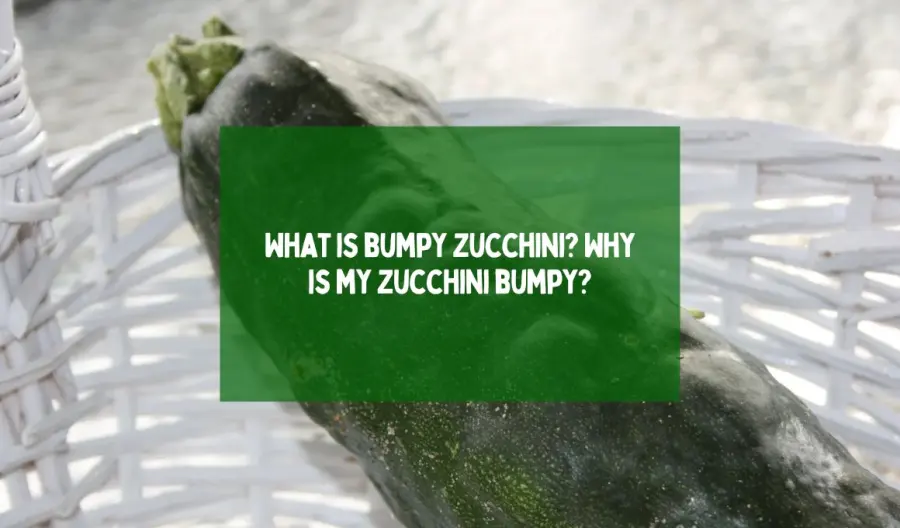
Bumpy zucchini refers to a type of zucchini that has an irregular surface with bumps and ridges. It is not a specific variety of zucchini but rather a natural occurrence that can happen with many types of summer squash, including zucchini.
Bumpy zucchini can develop for a number of reasons, including the way the vegetable grows, environmental conditions like overwatering or excessive heat, and the genetic makeup of the plant. Despite its appearance, bumpy zucchini is perfectly safe to eat and can have a tender and flavorful texture
Reasons why zucchini have bumps?
There are a few possible reasons why your zucchini may be bumpy:
- Variety: Some varieties of zucchini are naturally bumpy, so it may just be a characteristic of the type of zucchini you are growing or purchasing.
- Poor pollination: Zucchini plants rely on pollination by bees or other insects to produce fruit. If the pollination process is incomplete or uneven, it can result in bumpy or misshapen fruit.
- Environmental stress: Extreme heat or cold, drought, or other environmental stressors can affect the growth and development of zucchini fruit, resulting in bumps or other irregularities.
- Pests or disease: Certain pests or diseases can also cause bumpy or deformed zucchini fruit, so it's important to keep an eye out for signs of infestation or infection and take appropriate measures to control them.
In most cases, bumpy zucchini is still perfectly edible and can be used in the same way as smooth zucchini. However, it's best to throw away the fruit if there are additional indications of deterioration or damage along with the bumps.
Causes of bumpy zucchini
What causes the bumps on my zucchini, and how can I get rid of them? Most of the time, bumpy zucchini are a sign that the plant has one of the more serious diseases that can affect it.
One of the many plant viruses that cause these diseases can't be cured. The cucumber mosaic virus, the watermelon mosaic virus, the papaya ringspot virus, the squash mosaic virus, and the zucchini yellow mosaic virus could all be to blame for this.
Indicating bumpy zucchini
The skin of a rotting zucchini is dead and dull, which makes it easy to spot. You shouldn't eat zucchini that has spots of mold or other signs that it is going bad.
The squash of the vegetable might be soft, and the outside might look wrinkled or dried out. When you cut into a rotten zucchini, the squash inside might be stringy and full of big seeds.
Related Reading:
What do mosaic viruses really do?
Zucchini, cucumber, and melons can get a number of mosaic viruses. Aphids and cucumber bugs, the oil and dirt on people's hands and tools, contaminated seed, and disease-carrying insects can all spread viruses.
Infected plants will have leaves that are puckered or twisted and a pattern made up of different shades of green, both dark and light. When viruses attack fruit, it often has strange color patterns, and ring lines, and is misshapen.
How do you prevent zucchini bumps?
Virus-infected zucchinis are untreatable. If you've lost seeds to viruses, you can take measures when sowing. Once infected, zucchini can't be saved.
Aphids and cucumber bugs spread many plant ailments. Sick plants from tainted seeds can spread viruses. Don't keep zucchini seeds if you don't know if the mother plant is diseased. Instead, get trusted, virus-free seeds.
Sowing zucchini plants directly may shield them from virus-carrying bugs. You'll have more time to lay down mirrored grass and arrange covers. Keep an eye out for garden bug pests. Controlling your plants prevents zucchini pathogens from spreading to your yard. Weeds and filth attract disease-carrying insects.
Virus-infected plants should be removed immediately to prevent further spread. Start by moving or pruning the healthiest zucchini vines. Dirty tools or attire can spread plant bugs to healthy plants.
Can you eat Bumpy Zucchini or yellow bummy Zucchini?
Yes, it is possible. Pick yellow zucchini before they get to that point to enjoy them at their best, because as they grow, they will get more spines.
So it's normal for your yellow zucchini to have bumps on its skin. Instead of waiting until the squash is old and "woody," choose it while it is still young and soft. When the squash is thick enough to pierce with your fingernail, it is ready to eat.
Conclusion
In conclusion, bumpy zucchini is a natural occurrence that is nothing to worry about. Whether you are growing your own zucchini or purchasing it from a local farmer, it is important to remember that the appearance of the vegetable has no bearing on its taste or nutritional value.
So the next time you come across a bumpy zucchini, don't be afraid to give it a try. You might just discover a new favorite variety!
How to Tell Harmless Bumps From a Real Problem
Not every bump means something is wrong with your plant. The easiest way to sort a harmless bumpy zucchini from a genuine issue is to look at the pattern and the texture together. Shallow, evenly spaced ridges running the length of the fruit, especially near the stem end, are usually just varietal character or a bit of pollination stress and nothing to worry about. What should concern you is bumps that come with mottled yellow-and-green patches on the skin, a fruit that curls or narrows sharply at one end, or a texture that feels warty and raised rather than smooth-but-ridged. That combination points toward one of the mosaic viruses rather than an ordinary bumpy fruit, and those plants are worth pulling before the virus spreads through the rest of your squash bed.
Can You Prevent the Bumps?
You can't control every factor, but a few habits cut down on bumpy fruit significantly:
- Water consistently. Erratic watering, soaking one week and letting the soil dry out the next, is one of the most common causes of misshapen fruit. Aim for about an inch and a half of water a week, delivered on a steady schedule rather than in occasional floods.
- Support pollination. Poor pollination is a leading cause of lumpy, underdeveloped zucchini. Plant flowers like borage, zinnias, or cosmos nearby to draw in bees, and avoid spraying insecticides on open blossoms.
- Control aphids and squash bugs early. These pests spread the mosaic viruses responsible for the worst cases of bumpy, discolored zucchini. Check the undersides of leaves weekly and treat infestations with insecticidal soap before populations explode.
- Rotate your squash bed. Planting zucchini in the same soil year after year lets viruses and soil-borne pathogens build up. Move your squash family plants to a different bed every two to three years if you have the space.
- Choose resistant varieties. Some hybrid zucchini varieties are bred with resistance to the common mosaic viruses. If bumpy, virus-affected fruit has been a recurring problem in your garden, it's worth switching seed varieties.
Is It Safe to Eat Bumpy Zucchini?
In most cases, yes. If the bumps are the result of pollination stress, minor environmental swings, or simple variety characteristics, the zucchini is perfectly fine to cook and eat, though it may have slightly tougher skin or more noticeable seeds than a smooth fruit. Peel it if the texture bothers you. If, however, the fruit also shows the mottling and distortion typical of a virus, it's still generally safe to eat as long as there's no mold, softness, or off smell, but the flavor and texture are often noticeably worse, and many gardeners choose to discard virus-affected fruit rather than harvest it. Never eat a zucchini that's gone soft, slimy, or has visible mold, regardless of what caused the original bumps.
Cooking With Bumpy or Overgrown Zucchini
A bumpy fruit that's still firm works fine in the kitchen; you just may need to adjust how you prepare it. If the skin feels tough, peel it before cooking. If the fruit grew unevenly and has a thicker end and a thinner end, cut it into evenly sized pieces rather than uniform rounds so everything cooks at the same rate. Larger, bumpier zucchini also tend to have bigger seeds and a more watery core, so scoop out the seed cavity with a spoon before you shred or dice it, and salt shredded zucchini and let it sit ten minutes to draw out excess moisture before using it in baking or fritters.
Frequently Asked Questions
Why does my zucchini have warts instead of smooth skin?
Wart-like, raised bumps combined with blotchy coloring almost always point to viral infection rather than ordinary bumps caused by growing conditions. Aphids and cucumber beetles spread these viruses between plants, so controlling those pests is the best long-term fix. Once a plant is infected, there's no cure, so focus prevention efforts on healthy, unaffected plants nearby.
Will the bumps get smooth again if I fix the watering?
No. Whatever bumps have already formed on an individual fruit are permanent, since the skin texture is set as the fruit develops. What you can do is correct your watering schedule so that new fruit forming on the plant grows smoother going forward.
Does bumpy zucchini mean the plant is dying?
Not necessarily. A few oddly shaped fruit here and there is normal and doesn't indicate a dying plant. It only becomes a serious concern if you also see yellowing, stunted new growth, wilting during cool mornings, or a sharp drop in the number of flowers the plant produces, all of which suggest disease rather than a one-off bumpy fruit.
Should I remove a plant that keeps producing misshapen fruit?
If the bumps are mild and the plant otherwise looks healthy and productive, there's no reason to pull it. Only remove a plant if you've confirmed the mottled-leaf, distorted-fruit pattern typical of a mosaic virus, since infected plants won't recover and can serve as a source of infection for healthy squash and cucumber plants nearby. When in doubt, isolate suspect plants from the rest of your squash bed and watch them for a week or two before deciding.
Cosmetic Bumps vs. Disease-Caused Deformities: How to Tell the Difference
Not every bump means trouble. Some open-pollinated and heirloom varieties, like Costata Romanesco, are naturally ribbed and slightly bumpy even when perfectly healthy - that texture is a genetic trait, not a warning sign. The key is looking at the whole fruit, not just the surface. A healthy bumpy zucchini still has firm flesh, consistent dark green color, and bumps that follow a regular pattern along the ribs. A diseased or poorly pollinated one usually pairs the bumps with other red flags: a narrowed or pinched neck, a club-like shape, pale or yellowing patches, or a fruit that stops growing before it reaches normal size. If the bumps come with mottled yellow-and-green leaves nearby, that points to a virus rather than a harmless variety trait.
Common Myths About Bumpy Zucchini
- Myth: Zucchini cross-pollinated with cucumbers causes bumps. Zucchini and cucumbers are different species and can't cross-pollinate. Bumpy texture from cross-pollination only happens between different squash varieties within the same species, and even then it only affects the seeds of the next generation, not the fruit you're currently looking at.
- Myth: Bumpy zucchini is always overripe. Bumpiness and overripeness are unrelated. An overripe zucchini gets tough, bumpy skin along with a hard rind and oversized seeds, but a young zucchini can be bumpy the moment it forms if it's a ribbed variety or was poorly pollinated.
- Myth: Cutting off the affected fruit cures a virus-infected plant. Removing bumpy fruit doesn't remove the virus, which lives systemically throughout the plant. The better move is to remove the entire infected plant so it doesn't become a source of infection for healthy ones nearby.
Is bumpy zucchini safe to eat?
In most cases, yes. If the zucchini is firm, free of soft spots or mold, and simply has an irregular or ribbed surface, it's fine to cook and eat - the bumps are cosmetic. Peeling it removes most of the toughness if the skin feels leathery.
Can I save seeds from a bumpy zucchini?
Only if you're confident the bumps are a varietal trait and not virus damage. Seeds saved from a virus-infected fruit can carry the pathogen, so when in doubt, buy fresh, disease-tested seed instead of saving your own.
Does blossom end rot cause bumpy zucchini?
No. Blossom end rot causes a sunken, dark, leathery patch at the blossom end of the fruit from a localized calcium shortage, which is a different problem from the ridges and bumps that run along the whole fruit. Consistent watering helps prevent both issues, but they have different underlying causes.
Should I pick bumpy zucchini as soon as I notice it?
If the plant otherwise looks healthy, there's no rush - bumpy but firm zucchini keeps growing normally and tastes the same as smooth fruit. If you suspect a virus, though, harvest any usable fruit promptly and remove the plant, since leaving an infected plant in the ground longer only gives aphids more time to carry the virus to your other cucurbits.