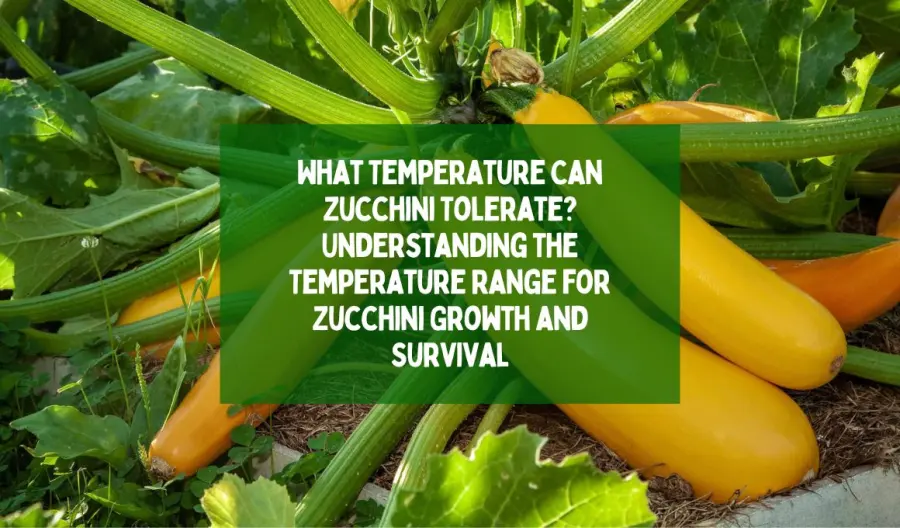
Zucchini, a beloved summer squash, thrives in warm weather. However, understanding the specific temperature requirements for zucchini is essential for successful cultivation.
Whether you're a seasoned gardener or a beginner, knowing the temperature range that zucchini can tolerate is crucial for providing optimal growing conditions and ensuring a bountiful harvest.
In this article, we will delve into the topic of zucchini's temperature tolerance, exploring the optimal range, factors that influence its growth, and strategies for protecting zucchini plants from extreme temperatures.
The Ideal Temperature Range for Zucchini
Zucchini plants thrive in warm weather and require specific temperature conditions for optimal growth and development. The ideal temperature range for zucchini cultivation is between 70°F (21°C) and 90°F (32°C).
Within this range, zucchini plants exhibit vigorous growth, produce healthy foliage, and develop an abundance of flowers and fruit. However, zucchini can tolerate temperatures slightly outside of this range, with some variations depending on the growth stage of the plant.
Factors Affecting Zucchini's Temperature Tolerance
Several factors influence zucchini's ability to tolerate temperature fluctuations. Understanding these factors will help you provide the best environment for your zucchini plants throughout their growth cycle.
Seed Germination and Early Growth
During the initial stages of zucchini growth, when the seeds are germinating and the seedlings are establishing themselves, the temperature range becomes particularly critical.
Cooler temperatures can delay germination, while excessively high temperatures may inhibit seed viability. Once the seedlings emerge, they are sensitive to cold temperatures.
Vegetative Growth and Flowering
Zucchini plants exposed to temperatures above 90°F (32°C) may experience reduced flower and fruit set, as high heat can negatively impact pollination and fertilization processes.
Therefore, maintaining temperatures within the optimal range is crucial for achieving healthy vegetative growth and abundant flower production.
Fruit Development and Maturation
During the fruit development and maturation stages, zucchini plants continue to thrive within the 70°F (21°C) to 90°F (32°C) temperature range.
Consistent temperatures within this range promote optimal fruit growth, texture, and flavor. Temperatures exceeding 90°F (32°C) can lead to decreased fruit quality, reduced sugar content, and a potential increase in bitterness.
Protecting Zucchini from Extreme Temperatures
To protect zucchini plants from extreme temperatures and ensure their well-being, gardeners can employ various strategies based on the specific climatic conditions in their region.
Cold Protection
- Covering: In colder regions or during unexpected cold snaps, covering zucchini plants with protective materials such as frost blankets, row covers, or plastic tunnels can help retain heat and shield them from frost damage. Ensure the covers extend to the ground and are properly secured to prevent cold air from reaching the plants.
- Mulching: Applying a layer of organic mulch around the base of zucchini plants can help insulate the soil and regulate temperature. Mulch acts as a protective barrier, reducing temperature fluctuations and conserving moisture, which is beneficial for overall plant health.
- Planting in Raised Beds: Raised beds provide better drainage and heat retention, creating a favorable microclimate for zucchini plants. The elevated soil temperatures in raised beds can help mitigate the effects of cold weather and promote healthy growth.
Heat Protection
- Providing Shade: Shielding zucchini plants from excessive heat is crucial to preventing stress and ensuring proper fruit development. Erecting shade structures or using shade cloth during the hottest parts of the day can help reduce temperature extremes and protect the plants from scorching sun rays.
- Mulching: Applying a layer of organic mulch around zucchini plants can also help regulate soil temperature and moisture levels during hot weather. Mulch acts as a natural insulator, keeping the roots cooler and conserving moisture, which is particularly important during periods of drought or intense heat.
- Watering: Adequate watering is essential to help zucchini plants cope with high temperatures. Water deeply and consistently, ensuring the soil is moist but not waterlogged. Irrigate early in the morning or late in the evening to minimize water loss through evaporation.
Tips for Temperature Management in Zucchini Cultivation
To optimize temperature conditions for zucchini cultivation, consider the following tips:
- Choose the right planting time: Start planting zucchini outdoors when the soil temperature consistently reaches 60°F (15.5°C) or higher. Planting too early, before the soil has warmed sufficiently, can hinder germination and stunt growth.
- Utilize microclimates: Take advantage of microclimates in your garden or growing area. Plant zucchini where they can benefit from natural windbreaks or partial shade to minimize temperature fluctuations.
- Use season extenders: Employ season extenders like greenhouses or high tunnels to control the growing environment and protect zucchini plants from temperature extremes.
- Monitor soil temperature: Regularly monitor the soil temperature using a soil thermometer to ensure optimal conditions for seed germination and growth.
- Select heat-resistant varieties: Choose zucchini varieties that are known for their heat tolerance, as these are better equipped to withstand high temperatures without compromising fruit quality or productivity.
- Practice proper plant spacing: Adequate plant spacing promotes good airflow, reducing the risk of heat buildup around zucchini plants. Proper spacing also helps prevent the spread of diseases and improves overall plant health.
Conclusion
Understanding the temperature requirements for zucchini plants is vital for successful cultivation and a bountiful harvest. Zucchini thrives in warm weather, with an ideal temperature range between 70°F (21°C) and 90°F (32°C).
Factors such as seed germination, vegetative growth, flowering, and fruit development all influence zucchini's temperature tolerance.
By implementing strategies to protect zucchini plants from extreme temperatures and employing temperature management techniques, gardeners can create optimal conditions for healthy growth and maximize their zucchini yield.
Protecting Zucchini from Cold Snaps and Late Frost
Zucchini is a warm-season crop with zero frost tolerance — even a light frost of 32°F (0°C) can blacken leaves and kill young plants overnight. If an unexpected cold snap is forecast after you've already planted, cover your zucchini with a row cover, cloche, or even an overturned bucket in the evening and remove it once temperatures climb back above 50°F (10°C) the next day. A thick layer of mulch around the base also helps buffer soil temperature swings, which matters more than most gardeners realize since zucchini roots are sensitive to cold soil even when the air temperature seems tolerable.
If you're direct-sowing seeds, don't rely on the calendar alone — check that soil temperature has reached at least 60°F (16°C), and ideally 70°F (21°C), before planting. Seeds sown in cold soil will often rot rather than germinate, regardless of what the air temperature forecast says.
Protecting Zucchini During Extreme Heat
While zucchini loves warmth, sustained temperatures above 95°F (35°C) can stress the plant, causing wilting during the hottest part of the day even when soil moisture is adequate. Extreme heat also dries out pollen and can make it less viable, which is part of why fruit set often slows during a summer heat wave even though the plant looks otherwise healthy. To help plants cope, water deeply in the early morning so roots have moisture reserves before the heat peaks, and apply a few inches of mulch to keep soil temperatures more stable and reduce moisture loss. In particularly hot climates, a shade cloth providing 30 to 40 percent shade during the afternoon can prevent scorched leaves and blossom drop without meaningfully slowing growth.
Day-to-Night Temperature Swings and Fruit Set
Zucchini doesn't just care about daytime highs — nighttime temperatures matter too. When nights drop below 50°F (10°C), even if daytime temperatures are within the ideal range, flower and fruit production can slow noticeably. This is a common source of confusion for gardeners in early spring or fall who see healthy-looking plants that simply aren't setting fruit. Consistent nighttime temperatures between 60°F and 70°F (16°C to 21°C) tend to produce the most reliable fruit set.
Recognizing Cold Stress vs. Heat Stress
- Cold stress typically shows up as dark, water-soaked patches on leaves, stunted growth, and a purplish tint on stems or leaf undersides.
- Heat stress usually appears as wilting during peak afternoon sun that recovers by evening, pale or yellowing leaf edges, and blossoms that drop before developing into fruit.
- If wilting doesn't recover once temperatures cool in the evening, that's a sign of a deeper problem, likely root damage or disease, rather than simple heat stress.
What temperature kills zucchini plants?
Temperatures at or below 32°F (0°C) will kill or severely damage unprotected zucchini plants. Even temperatures in the high 30s can cause chilling injury to leaves and slow the plant's recovery for days afterward.
Can zucchini survive a light frost?
Established plants may survive a very brief, light frost with damaged foliage but intact roots, especially if covered beforehand, but seedlings and young transplants rarely bounce back from any frost exposure.
Is there a temperature range for zucchini that maximizes yield, not just survival?
For the best combination of growth rate and fruit production, aim to keep plants within 75°F to 85°F (24°C to 29°C) during the day with nights no cooler than 60°F (16°C). This tighter band inside the broader tolerable range tends to produce the most consistent harvests.
Timing Your Planting Around Local Temperature Swings
Rather than planting all your zucchini at once, consider staggering seeds or transplants two to three weeks apart through late spring and early summer. This spreads out your risk: if an unseasonable cold snap or heat wave hits one planting hard, the others may escape the worst of it and keep your harvest going. In regions with short, mild summers, gardeners often start seeds indoors three to four weeks before the last expected frost date, then harden off transplants gradually by setting them outside for a few hours a day before planting them in the garden once nighttime lows are reliably above 55°F (13°C).
In hotter climates, the opposite strategy applies. Many gardeners in the Deep South or desert Southwest plant zucchini earlier in spring to get a harvest in before peak summer heat shuts down fruit set, then plant a second round in late summer as temperatures begin to ease, aiming for a fall harvest before the first frost arrives.
Protecting Zucchini from Heat Stress
Just as cold snaps threaten zucchini, sustained heat above the ideal range brings its own set of problems, and gardeners in hot climates need a different toolkit than those worried about frost.
- Shade cloth: During extended heat waves, especially when daytime highs push past 95°F (35°C), stretching 30-40% shade cloth over zucchini plants during the hottest afternoon hours reduces leaf scorch and helps flowers stay viable for pollination.
- Deep, early watering: Water deeply in the early morning so moisture reaches the root zone before the heat of the day sets in. Avoid overhead watering during peak sun, which wastes water to evaporation and can scorch wet leaves.
- Consistent soil moisture: Fluctuating between bone-dry and saturated soil during hot weather is a leading cause of blossom end rot in zucchini, since it disrupts the plant's ability to take up calcium.
How Can You Tell If Your Zucchini Plants Are Struggling With Temperature?
Zucchini plants show fairly distinct symptoms depending on whether the stress is from cold or heat, and telling the two apart helps you respond correctly.
Cold stress typically shows up as slowed or stalled growth, leaves that develop a purplish or dark tint along the edges, and flowers that drop before opening. Heat stress looks different: leaves wilt during the hottest part of the day even when soil moisture is adequate, pollen can become less viable above 90°F (32°C) which leads to poorly formed or aborted fruit, and open flowers may dry out and shrivel within hours instead of setting fruit.
What Soil Temperature Do Zucchini Seeds Need to Germinate?
Air temperature gets most of the attention, but soil temperature is actually the more important factor at planting time. Zucchini seeds need a minimum soil temperature of around 60°F (16°C) to germinate at all, and germination happens fastest between 70°F (21°C) and 95°F (35°C).
Below 60°F, seeds sit dormant and are prone to rotting in cool, damp soil before they ever sprout. A simple soil thermometer pushed a couple of inches into the bed is the most reliable way to check readiness; if you are planting early in the season, laying black plastic mulch over the bed for a week beforehand can raise soil temperature enough to plant with confidence.
Do Nighttime Temperatures Matter for Zucchini?
Yes, and gardeners often overlook this in favor of daytime highs. Zucchini plants prefer nighttime temperatures that stay above 50°F (10°C). When nights drop below that mark for several days in a row, even if daytime temperatures remain comfortable, plants can slow their growth, flowering may become erratic, and fruit set often declines. This is one reason early spring plantings sometimes stall even after a warm, sunny day, and it is worth checking overnight lows alongside daytime highs before deciding it is safe to plant zucchini outdoors for the season.