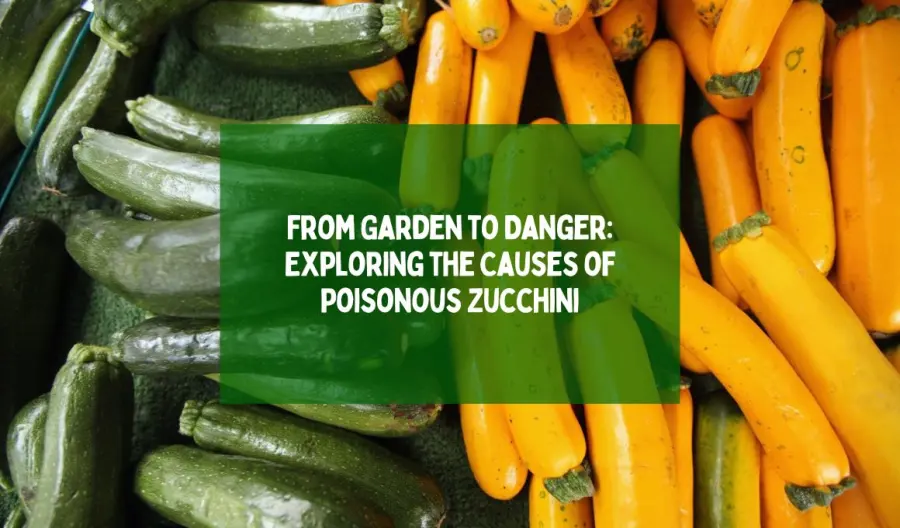
Zucchini, a popular summer squash known for its versatility and mild flavor, is a staple in many culinary creations. However, there have been instances where zucchini has been reported to be poisonous, leading to concerns and questions about its safety.
This article will delve into the factors that can cause some zucchini to become toxic, shedding light on the possible reasons behind this phenomenon.
By understanding the causes, we can take the necessary precautions to ensure the safe and delicious consumption of zucchini.
Causes Of Making Zucchini Poisonous
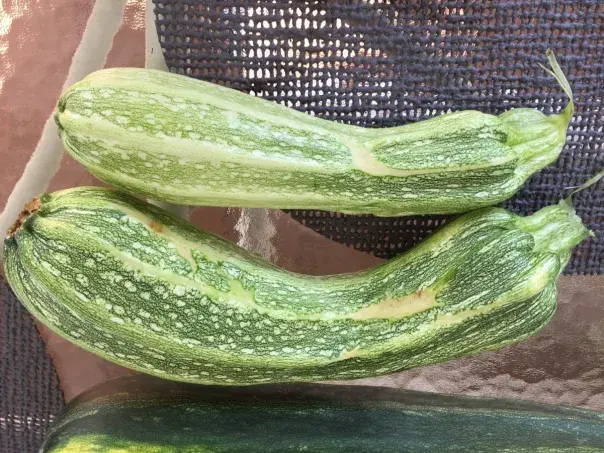
Poisonous zucchini can result from various factors that affect the plant's growth and development. Environmental conditions, plant diseases, and improper cultivation practices can all contribute to the toxicity of zucchini.
Soil contamination with heavy metals or chemicals, air pollution, and bacterial or fungal infections are among the key causes of poisonous zucchini.
Additionally, overuse of chemical fertilizers, improper watering techniques, and inadequate storage conditions can also produce toxic compounds in zucchini.
Understanding these causes is crucial to identifying and preventing the consumption of poisonous zucchini and ensuring the safety and enjoyment of this popular summer squash.
Read on to learn more about this article.
Environmental Factors That Makes Zucchini Poisonous
Here are some environmental factors that makes zucchini poisonous;
Soil Contamination
Zucchini plants absorb nutrients from the soil, and if the soil is contaminated with heavy metals or chemicals, these substances can accumulate in the fruit.
Industrial pollution, pesticide use, or improper waste disposal near the growing area can all contribute to soil contamination. Elevated levels of toxins in the soil can lead to the production of poisonous zucchini.
Air Pollution
Air pollution, particularly in urban areas or near industrial sites, can have an impact on the quality of zucchini. The leaves of zucchini plants can take up toxic gases and pollutants in the air, which will then change the fruit's composition.
When zucchini absorbs harmful substances from the air, it may become poisonous and unfit for consumption.
Plant Diseases and Pests On Zucchini
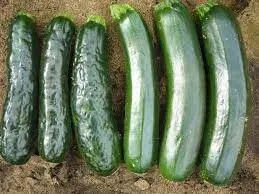
The plant diseases and pests include;
Bacterial Infections
Bacterial infections, such as bacterial wilt or soft rot, can cause zucchini plants to produce toxic fruits.
Bacteria can invade the plant's vascular system, disrupting the flow of nutrients and water. As a result, the zucchini may exhibit symptoms of wilting, discoloration, or rotting, indicating the presence of harmful bacteria.
Fungal Infestations
Fungal diseases, including powdery mildew and gray mold, can also contribute to the production of toxic zucchini. These diseases thrive in humid environments and can affect the leaves, stems, and fruits of the plant.
Fungal infections can alter the chemical composition of zucchini, potentially leading to the accumulation of harmful compounds.
Viral Attacks
Viral infections can weaken zucchini plants and make them more susceptible to toxin production.
Viruses, transmitted by insects or contaminated tools, can cause stunted growth, leaf distortion, and yellowing. These symptoms may indicate the presence of viruses that can compromise the quality and safety of zucchini.
Improper Cultivation Practices On Zucchini
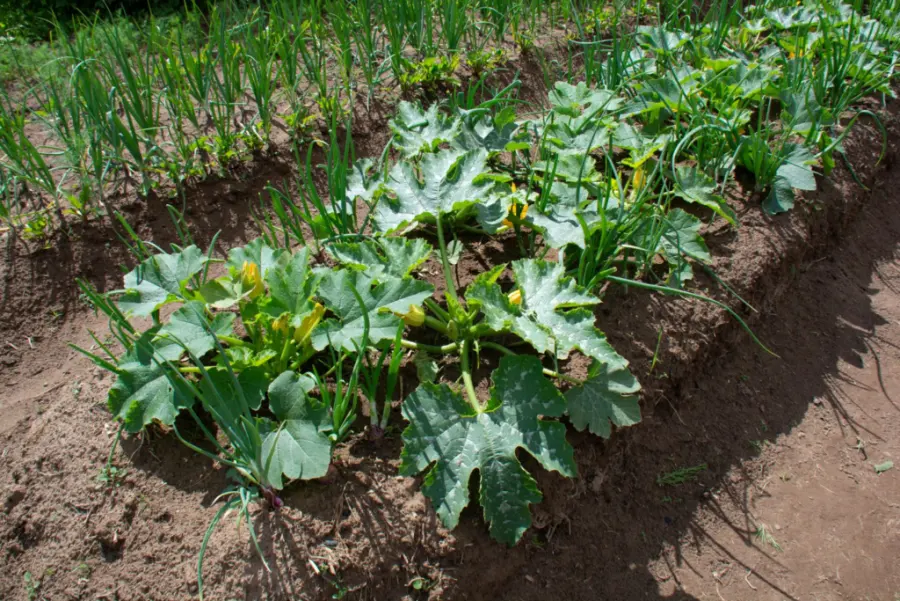
Overuse of Chemical Fertilizers
Excessive use of chemical fertilizers can have detrimental effects on zucchini plants and their fruits.
The overapplication of synthetic fertilizers can lead to an imbalance of nutrients, disrupting the plant's natural growth processes. This imbalance can result in the production of toxic substances in zucchini.
Improper Watering
Inconsistent or inadequate watering practices can stress zucchini plants and compromise their health. Insufficient water supplies can lead to nutrient deficiencies and hinder the plant's ability to flush out toxins.
On the other hand, overwatering can promote the growth of fungi and bacteria, increasing the likelihood of toxic zucchini.
Improper Storage
Improper storage conditions can also contribute to zucchini toxicity. When zucchini is not stored in cool and dry environments, it becomes susceptible to mold growth and spoilage.
Moldy zucchini can produce mycotoxins, which are toxic compounds that can cause illness when ingested.
Conclusion
While zucchini is generally safe to consume, there are instances where it can become poisonous due to various factors. Soil contamination, air pollution, plant diseases, pests, and improper cultivation practices can all contribute to the production of toxic zucchini.
It is essential to pay attention to signs of toxicity and take preventive measures to ensure the safety of the zucchini we consume.
By understanding the causes and implementing best practices in zucchini cultivation and storage, we can enjoy this versatile vegetable without any health concerns.
Frequently Asked Questions
Can all parts of a poisonous zucchini be toxic?
Yes, the entire zucchini plant, including the fruit, leaves, and stems, can contain toxins if certain conditions are present.
How can I tell if a zucchini is poisonous?
Poisonous zucchinis may exhibit signs such as discoloration, unusual texture, foul odor, or mold growth. If in doubt, it is best to err on the side of caution and discard the zucchini.
Are there any safe practices to prevent zucchini toxicity?
To minimize the risk of poisonous zucchini, it is advisable to grow zucchini in healthy soil, avoid chemical overuse, practice proper watering techniques, and store zucchini in optimal conditions.
Can cooking eliminate the toxins in zucchini?
Cooking methods such as boiling or baking can reduce the concentration of certain toxins in zucchini. However, it may not eliminate all types of toxins, so it is still important to start with safe and healthy zucchini.
Are there specific zucchini varieties that are more prone to toxicity?
While any zucchini plant can potentially become toxic, certain varieties may be more susceptible to diseases or environmental factors that contribute to toxicity. Consulting with local gardening experts can help you choose more resistant varieties.
What are the potential health risks of consuming poisonous zucchini?
Consuming toxic zucchini can lead to symptoms such as nausea, vomiting, diarrhea, abdominal pain, or even more severe complications, depending on the specific toxins present.
Cucurbitacins: The Real Reason Zucchini Can Turn Toxic
The most well-documented cause of poisonous zucchini isn't pollution or fertilizer — it's a naturally occurring group of compounds called cucurbitacins. Every squash plant produces small amounts of these compounds as a natural defense against pests, but wild and ornamental gourds produce them at levels high enough to be genuinely toxic to people. Under certain conditions, cultivated zucchini can revert toward those wild-type levels, producing fruit that's bitter and unsafe to eat.
This usually happens one of two ways. The first is cross-pollination: if your zucchini plant is growing near ornamental gourds, wild cucumbers, or other high-cucurbitacin cucurbits, bees can carry pollen between them. The fruit on your zucchini plant that season won't necessarily show a problem, but if you save and replant seed from that fruit, the next generation can produce dangerously bitter squash. The second cause is stress — extreme heat, drought, or generally poor growing conditions can trigger a normally mild zucchini plant to produce elevated cucurbitacin levels even without any cross-pollination involved.
How to Catch a Bitter Zucchini Before You Eat It
Cucurbitacin toxicity, sometimes called toxic squash syndrome, has one very reliable warning sign: an intensely bitter taste, far beyond the mild bitterness you might expect from a slightly older zucchini. Before cooking a home-grown zucchini, especially one from saved seed or a plant grown near ornamental gourds, cut off a small piece and taste it raw. If it's noticeably bitter, discard the entire fruit — cooking does not break down or neutralize cucurbitacins, so heat won't make a bitter squash safe to eat. When in doubt, throw it out rather than trying to cook around the taste.
Reducing the Risk in Your Own Garden
- Buy seed from a reputable supplier each season rather than saving seed from home-grown fruit, especially if you also grow ornamental gourds or wild cucurbits nearby.
- Keep ornamental gourds and wild cucumber vines well away from your edible squash bed to reduce the chance of cross-pollination.
- Keep plants consistently watered during hot stretches, since drought and heat stress are known triggers for elevated cucurbitacin production.
- Taste-test a small raw piece of any home-grown or farmers-market zucchini before cooking a full dish with it, particularly if it tastes unusually bitter when raw.
Frequently Asked Questions
What causes poisonous zucchini if the soil and plant look healthy?
Among the causes of poisonous zucchini, cucurbitacin buildup is the one most likely to occur even in a plant that looks completely healthy. Because it's driven by genetics and pollination rather than visible disease, a plant can appear normal in every way and still produce a single bitter, unsafe fruit.
Can cooking remove the toxin from a bitter zucchini?
No. Unlike some plant toxins that break down with heat, cucurbitacins are stable when cooked. A bitter raw taste will carry through to the cooked dish, and the toxicity remains — the only reliable response is to discard the fruit rather than attempt to cook it into safety.
Is store-bought zucchini at risk of this problem?
It's far less common, but not impossible. Commercial growers select and monitor seed lines specifically to keep cucurbitacin levels low, which is why bitter, toxic squash is much rarer at the supermarket than it is with home-saved seed. Even so, the same taste-test rule applies no matter where the zucchini came from — if a raw piece tastes unusually bitter, don't cook or eat the rest of it.
Cucurbitacins: The Real Culprit Behind Bitter, Toxic Zucchini
Beyond contamination and disease, there's a specific, well-documented cause of toxic zucchini that deserves its own explanation: cucurbitacins. These are naturally occurring bitter compounds that all cucurbit plants, including zucchini, squash, cucumbers, and gourds, can produce as a built-in defense against insects and grazing animals. Edible garden varieties have been bred over generations to keep cucurbitacin levels extremely low, which is why a normal zucchini tastes mild rather than bitter. Problems arise in a few specific situations:
- Cross-pollination with wild or ornamental cucurbits. If an edible zucchini plant cross-pollinates with a wild squash, an inedible ornamental gourd, or certain decorative pumpkins growing nearby, the seeds it produces can carry genes for much higher cucurbitacin levels. This mainly becomes a problem if you save and replant seed from your own garden rather than buying fresh seed each year, since the resulting plants may not stay true to the mild-tasting parent variety.
- Environmental stress. Even a plant grown from reliable, bred seed can produce elevated cucurbitacin levels under stress from drought, extreme heat, or generally poor growing conditions. Keeping plants consistently watered and growing in reasonable conditions reduces this risk.
How to Recognize and Handle a Bitter Zucchini
Cucurbitacins aren't destroyed by cooking, so heat won't make a bitter zucchini safe to eat. The most reliable safeguard is simple: taste a small raw piece from the stem end before you cook or serve an entire zucchini, particularly if it came from home-saved seed or a plant that grew near ornamental gourds. A genuinely bitter or soapy taste, or a tingling sensation in the mouth or throat, means the fruit should be discarded rather than cooked. Eating a zucchini with high cucurbitacin content can cause what's sometimes called toxic squash syndrome, with symptoms like stomach cramps, nausea, and diarrhea. If you or anyone else experiences these symptoms after eating squash that tasted off, stop eating it immediately and don't try to salvage the rest of the fruit.
Can Bitter Zucchini Make You Sick?
Yes. If cucurbitacin levels are high enough, eating even a small amount can cause gastrointestinal symptoms such as cramping, nausea, and diarrhea. The bitterness itself is the warning sign, so any zucchini that tastes notably bitter or soapy should be spit out and discarded rather than eaten.
How Do You Prevent Cucurbitacin Buildup in Home-Grown Zucchini?
Buy fresh, reputable seed each season rather than saving seed from your own plants, especially if you also grow ornamental gourds or live near wild cucurbits that could have cross-pollinated with your crop. Keep plants consistently watered and avoid letting them sit under prolonged drought or heat stress, and always taste-test a small piece before cooking a zucchini that seems unusual in any way.
Are Store-Bought Zucchini at Risk of Cucurbitacin Poisoning?
It's rare. Commercial growers rely on seed from breeders who screen varieties specifically to keep cucurbitacin levels low and consistent, and the risk of accidental cross-pollination with wild or ornamental gourds is far lower in a controlled commercial operation than in a home garden planted near decorative pumpkins or squash. Most documented cases of toxic squash syndrome trace back to home gardens where seed was saved from a cross-pollinated plant, or to homegrown ornamental gourds mistakenly eaten. It's still smart to taste a small bite of any squash before cooking it, but store-bought zucchini carries a much lower risk than seed you've saved yourself.