Zucchinis are a popular summer squash that can be enjoyed in a variety of ways. However, you may occasionally come across a deformed zucchini in your garden or at the grocery store.
These zucchinis may look a bit odd, but can you still eat them?
Yes, you can still eat deformed zucchinis that may look odd. The shape or texture of the zucchini does not affect its value or taste. But you may need to cut off any damaged or diseased areas before consuming the zucchini.
In this article, we will explore the answer to this question and provide you with some additional information on deformed zucchinis.
Let's start.
Causes Of Zucchinis To Become Deformed
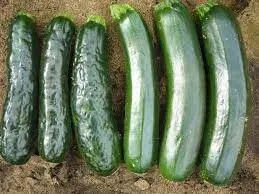
There are many reasons why my zucchinis can become deformed. Some of the most common diseases are listed below:
1. Poor Pollination
When zucchini flowers are not properly pollinated, the fruit may not develop properly, resulting in a rough appearance. This can also lead to a reduced yield and smaller fruit sizes.
Prevention of Zucchini Poor Pollination
To avoid poor pollination, it's important to ensure there are enough pollinators in your garden, such as bees and butterflies. You can also hand-pollinate zucchini flowers using a small paintbrush or cotton swab to transfer pollen between flowers.
2. Improper Watering
Overwatering or underwatering can lead to stress on the plant, causing the fruit to become stunted. Zucchini plants require consistent and even watering, typically 1-2 inches per week.
Solution For Zucchini Improper Watering
Water deeply and avoid getting the leaves wet. Using a drip irrigation system can help to maintain consistent moisture levels in the soil.
3. Sunscald
Sunscald occurs when the zucchini is exposed to direct sunlight for an extended period, causing the skin to blister and turn white or yellow. This can also cause the flesh of the fruit to become tough.
Prevention of Zucchini Sunscald
Provide shade for the zucchini plant during the hottest part of the day, such as by using a shade cloth.
4. Diseases On Zucchinis
Common zucchini diseases include powdery mildew, bacterial wilt, and mosaic virus. These diseases can cause the plant to become weak and produce deformed fruit.
Prevention of Zucchinis Diseases
Keep the plants healthy by providing adequate sunlight, proper watering, and good air circulation. You can also use disease-resistant varieties of zucchini and practice crop rotation to prevent disease-causing pathogens in the soil.
5. Pest Damages
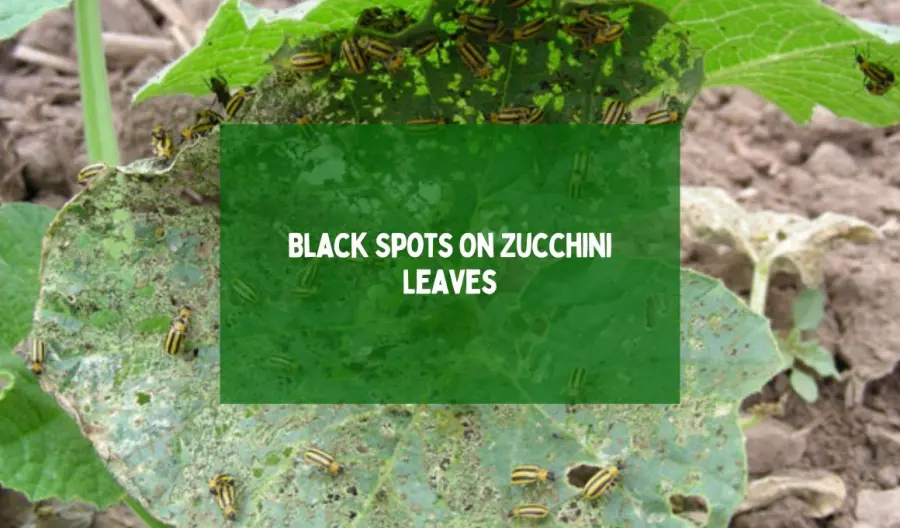
Common pests that attack zucchini plants include squash bugs, cucumber beetles, and vine borers. These pests can feed on the leaves, flowers, and fruit of the plant, causing damage and deformities.
Prevention of Zucchini Pests Damages
To prevent pest damage, monitor your plants regularly and take action at the first sign of an infestation. This can include handpicking and removing pests, using insecticidal soap or neem oil, and covering the plants with row covers.
Are Deformed Zucchinis Safe To Eat?
Deformed zucchinis can occur due to a variety of reasons, such as poor pollination, improper watering, pest damage, sunscald, or disease. But the deformities of the zucchini do not affect its nutritional taste.
Deformed zucchinis can be used in the same way as regular zucchinis and can be enjoyed in a variety of dishes. You may need to cut off any damaged or diseased areas before consuming the zucchini.
How to Use Deformed Zucchinis?
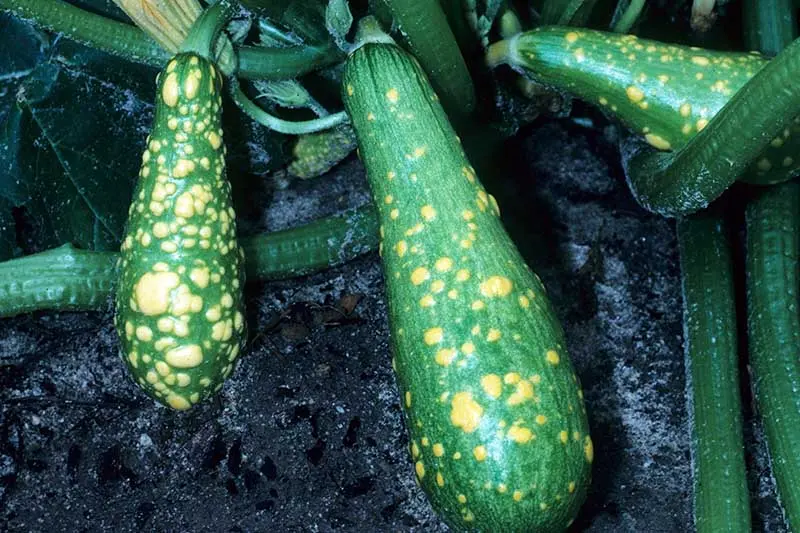
There is no issue with using the deformed zucchini; you can use it the same as regular zucchini.
There are some ways to use your deformed zucchini:
- Sauteed zucchini: Slice the zucchini and sauté it with some garlic, olive oil, and seasonings.
- Zucchini noodles: Use a cutter to turn the zucchini into noodles, and use them as a healthy pasta alternative.
- Grilled zucchini: Cut the zucchini into thick slices and grill them until they are lightly charred.
- Zucchini fritters: Grate the zucchini and mix it with eggs, flour, and herbs, then fry them in oil until golden brown.
- Zucchini boats: Cut the zucchini in half lengthwise and scoop out the center. Stuff the zucchini with your favorite filling and bake until tender.
- Zucchini chips: Slice the zucchini thinly and bake them in the oven with some olive oil and salt until crispy.
- Zucchini soup: Blend cooked zucchini with some broth, garlic, and herbs to make a delicious and healthy soup.
- Zucchini lasagna: Use sliced zucchini in place of traditional lasagna noodles for a low-carb and gluten-free option.
- Zucchini bread: Grate the zucchini and mix it with flour, eggs, sugar, and spices to make a tasty and healthy bread.
Final Thoughts
Deformed zucchini can be eaten as long as they are not showing signs of spoilage. It's important to identify the cause of the deformity, as it could be an indicator of an underlying issue such as poor pollination, improper watering, pest damage, or disease.
By addressing the underlying issue, you can improve the health and yield of your zucchini plants.
FAQs
How do you store zucchinis?
Zucchinis should be stored in the refrigerator in a plastic bag or container. They will last for up to a week.
Can you freeze zucchinis?
Yes, you can freeze zucchini. Slice them and blanch them in boiling water for a few minutes before freezing.
Can you eat raw zucchinis?
Yes, you can eat raw zucchini. They can be sliced thinly and used in salads or as a snack with dip.
Are deformed zucchinis less nutritious than regular zucchinis?
No, the nutritional value of a deformed zucchini is the same as a regular zucchini.
5. Pest Damage
Squash bugs and squash vine borers don't just kill plants outright, they can also cause deformed zucchini by damaging the vascular tissue that feeds the developing fruit. When feeding damage interrupts nutrient flow to one side of a growing zucchini, that side develops more slowly than the other, resulting in a curved or lopsided fruit even though the plant itself looks otherwise healthy.
Cucumber beetles can also scar young fruit while feeding, and as the zucchini continues to grow, that early scarring stretches and puckers, leaving a bumpy or misshapen skin.
Prevention
Inspect the undersides of leaves and the base of the stems regularly for eggs and larvae, and hand-pick adult squash bugs and cucumber beetles in the early morning when they're slow-moving. Row covers during the first few weeks after planting can keep pests off the flowers and fruit entirely, but remove them once flowering starts so pollinators can reach the blossoms.
6. Temperature Stress
Zucchini is a warm-season crop, and cool nights below about 55°F (13°C) during fruit set can cause the developing squash to grow unevenly, producing a curved or club-shaped fruit. This is especially common with early spring plantings or a late-season cold snap, when nighttime temperatures dip even though the days are still warm.
There's not much you can do to fix already-deformed fruit from cold stress, but the plant typically goes back to producing normal, straight zucchini once nighttime temperatures stabilize above the mid-50s.
7. Harvesting Oversized or Misshapen Zucchini
A zucchini left on the vine too long will often develop an odd, bulging shape as the seeds inside mature and swell unevenly, even if nothing else was wrong with pollination or watering. This is completely normal and just means you missed the ideal harvest window. Check plants every day or two once they start producing, since zucchini can go from perfectly sized to oversized in as little as 48 hours during peak summer growth.
An oversized, lumpy zucchini is still perfectly edible, though the skin will be tougher and the seeds larger and more noticeable. Peeling it and scooping out the seed cavity before cooking makes it much more palatable, and oversized zucchini is a good candidate for shredding into zucchini bread or grating for fritters rather than serving in slices.
Why does my zucchini curve at the end instead of growing straight?
A hooked or curved tip is almost always a sign of partial pollination rather than a disease or growing problem. The pollinated end of the flower develops normally while the under-pollinated end lags behind, pulling the fruit into a curve as it grows. Hand-pollinating with a small paintbrush, or simply attracting more bees to the garden with flowering companion plants nearby, usually resolves the issue within the next few fruit sets.
Is a deformed zucchini a sign my soil is bad?
Not necessarily. While poor soil and inconsistent watering can contribute to deformed zucchini, most misshapen fruit comes down to pollination gaps or minor pest feeding rather than soil quality. If you're seeing deformed fruit on nearly every plant along with pale leaves or stunted vines, though, it's worth testing your soil for nutrient levels and adding compost or a balanced fertilizer before the next planting.
8. Blossom End Rot vs. Deformity
It's easy to confuse blossom end rot with general deformity, but they're different problems with different fixes. Blossom end rot shows up as a sunken, dark, leathery patch specifically at the blossom end of the fruit, caused by a temporary calcium shortage in the developing fruit rather than a lack of calcium in the soil overall. It's usually triggered by inconsistent watering, which interrupts the plant's ability to move calcium to where it's needed most.
Keeping soil moisture even with regular watering and a layer of mulch solves most blossom end rot issues without needing to add extra calcium to the soil, since most garden soils already have plenty.
Should I remove deformed zucchini from the plant right away?
Yes, generally. Leaving a deformed but otherwise healthy zucchini on the vine won't fix the shape, and it uses up energy the plant could put toward producing normal fruit elsewhere. Harvest deformed zucchini as soon as you notice it, use it in the kitchen if it's not diseased, and keep an eye on the next few fruit sets to see if the underlying cause, whether that's pollination, pests, or temperature, has resolved itself.
Common Myths About Deformed Zucchini
- Myth: Cross-pollination with cucumbers or squash caused the deformity. Zucchini will not cross with cucumbers, and even when it does cross with another squash variety, the effect only shows up in seeds saved from that fruit, not in the fruit sitting in front of you this season.
- Myth: A misshapen zucchini means the whole plant is diseased. One odd fruit is usually a pollination or watering hiccup for that particular flower, not a sign the rest of the harvest is compromised.
- Myth: Bumpy skin means the zucchini is overripe. Bumpy or warty skin is more often a varietal trait or the result of cool nights during fruit set than a sign of age. Check firmness and seed size instead of skin texture.
Cold Temperatures and Fruit Shape
Nighttime temperatures below around 55°F during flowering can interfere with pollen viability even when bees are active and doing their job. The result is the same pinched, narrow-necked or bulbous shape you would get from poor pollination, which is why deformed fruit often shows up in a rush at the start and end of the season rather than in the middle of summer when nights are warm and consistent. There is no fix for a cold snap that already happened, but a floating row cover on chilly nights during early flowering helps the next flush of flowers set normally.
How to Use Deformed Zucchini in the Kitchen
- Grate oddly shaped zucchini for baked goods or fritters, where uniform shape never mattered anyway.
- Cube the straighter sections for sautés and roasting, saving curved or narrow ends for soup where everything gets pureed.
- If part of the fruit is tough or hollow from a pest or pollination issue, cut that section away and use the rest. The whole zucchini does not need to be sound just because one part is.
Frequently Asked Questions
Does a curved or bulbous zucchini taste different from a straight one?
No. Shape has no bearing on flavor. Taste and texture are driven by how mature the fruit is, not how it is shaped. An oversized, seedy zucchini will taste watery and bland whether it is straight or curved.
Should I remove deformed fruit from the plant right away?
If the deformity was caused by pollination or temperature, there is no need to remove it; it is still edible and will not harm the plant. If the misshapen fruit is soft, discolored, or shows signs of rot at the blossom end, pull it promptly so the plant redirects energy to healthy fruit instead of trying to finish one that will not make it.