Squash bugs are one of the hardest pests to get rid of once they are in your yard. It can be very sad to walk out into your yard and find your beautiful zucchini trees dead on the ground. All of those hopes for a big zucchini crop this year have been shattered.
Crop movement can be helpful, but only if there is enough room to move around. From what I've seen, chickens and guinea pigs don't like squash bugs very much. So, how to keep bugs off zucchini plants?
In this article, I'm going to mention some natural ways how to keep bugs off zucchini plants.
What is the zucchini squash bug?
First of all, let's talk about what a squash problem is. It is simply a nasty bug. They look almost exactly like the things you've been calling stink bugs your whole life, but they are a little bit smaller and thinner. (ie. stink bugs are more round). They are shield beetles that are about an inch long and have a hard shell on the outside and a soft shell on the inside.
Even though they like some kinds of squash and fruits better than others, squash bugs eat almost all kinds of summer and winter squash.
The adult beetles will spend the winter in the ground and will hatch in the spring. They will get together and lay their eggs on the back of the plant's leaves. When the females come out, they can kill your zucchini plant very fast.
Read More
How to Find Bugs on Your Plants?
In the morning and evening, look at the bottom of the leaves and the root of your zucchini plants.
At the start of the growing season, you can see adult squash bugs on the stalks, leaves, and dirt around the plants. Since they will soon lay eggs, it's not rare to find two bugs that are trying to mate.
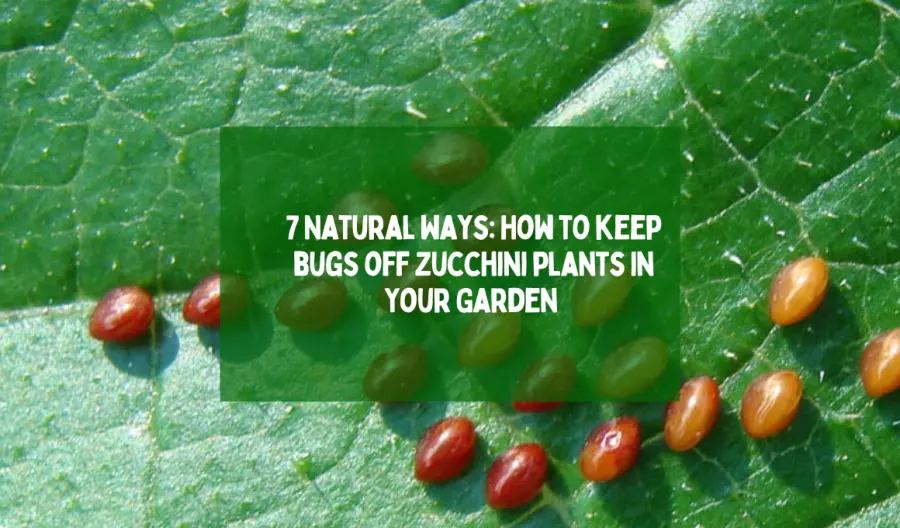
As the season goes on, more adults and neat stacks of golden-brown eggs will show up on the leaves of your plants. Even though they can sometimes be found on the tips or stalks, they are usually on the bottom of the leaves.
When the squash bug eggs hatch, you will see a lot of small, soft-bodied, grey squash bug babies. Most of the time, these people are the ones who do the most damage to your plants.
How to Keep Squash Bugs from Coming Back to Your Garden!
Zucchini is one of the summer squashes that grows the fastest when it is kept free of bugs. Zucchini is an annual crop that grows cylinder-shaped, thin-skinned green or golden fruit 35 to 55 days after it is planted.
The Missouri Botanical Garden says that it could be infected by whiteflies, aphids, squash plant borers, cutworms, leaf miners, stinkbugs, and spider mites.
Bugs kill and kill off zucchini plants by drinking their juice and killing plant tissue. Some pests can even make plants sick. To keep bugs off zucchini plants, use more than one method.
Natural ways to keep bugs away from eating zucchini plants
Zucchini plants are often grown in vegetable areas, they attract bugs which cause many diseases to zucchini. So, work on bugs off zucchini plants. If you don't get rid of them, these bugs could hurt or even kill your plants. In this section, I'll tell you how to keep pests away from zucchini trees so that they stay healthy and produce a lot of zucchini.
Partner Planting
Planting the same kinds of plants together helps them both grow and keeps pests away. You can keep pests away from your zucchini plants by planting thyme, parsley, and mint near them. They attract good bugs like pollinators and ladybugs, which eat bad bugs, and they smell so strong that many bugs don't like them.
Table Skirts
Use row covers to protect your zucchini plants from bugs. These screens are made of thin cloth that lets light and water through but keeps bugs out. Put the cover over your plants, and then use rocks or nails to hold them in place.
Handpicking
One of the best ways to get rid of pests on zucchini plants is to pick them off by hand. Even though it takes a lot of work, this method could be very effective. Check your plants for bugs often and remove any you find by hand. Make sure to get rid of the bugs far from your yard so they don't come back.
Related Readings
- 11 Beneficial Bugs That Help Tomato Plants Grow Safe from Pests
- Cucumber Beetles & Cucumber Bugs: How To Fight Them In Your Garden
- How To Train Pumpkin Vines?
- How to Grow Eggplant on a Trellis?
Neem Oil
Pests can be kept away from zucchini trees by using neem oil, which is a natural poison. This oil made from the neem tree is safe for both people and animals. Neem oil should be mixed with water according to the directions on the bottle before it is used to spray on plants.
Earth Broken Down
Granular diatomaceous earth is made from diatoms, which are a type of algae. This stuff kills mosquitoes but is safe for people and animals. Spread diatomaceous earth around the base of your zucchini plants to make an insect-proof barrier that bugs can't get through.
Tidy plant beds
Cleaning up your flowers can help keep bugs from coming in. Your zucchini trees should not have any trash or dead leaves that bugs could live in. Also, make sure to switch which crops you collect each year to keep bugs from gathering in the soil.
Conclusion
There are many ways to keep bugs off zucchini plants, from companion planting to natural insecticides. By incorporating these methods into your gardening routine, you can help ensure that your zucchini plants remain healthy and produce a bountiful harvest.
Natural Ways to Keep Bugs Off Zucchini Plants
Once you know what you're dealing with, the goal shifts from cleanup to prevention. These are the methods that actually make a difference if you use them consistently, not just once when you spot trouble.
- Check under leaves every few days. Squash bug eggs are laid in tidy clusters on the underside of leaves, usually in the V formed by leaf veins. Scrape them off with a piece of tape or your fingernail and drop them in soapy water. Catching eggs before they hatch is the single most effective thing you can do.
- Lay down a board or shingle trap. Squash bugs hide under debris at night. Set a flat board near the base of your plants in the evening, then flip it over in the morning and squash or drop whatever's hiding underneath into soapy water.
- Use row covers early in the season. Floating row covers keep adult bugs from reaching your plants in the first place. Just remember to remove them once flowers open so pollinators can get in, or hand-pollinate while the cover is on.
- Try companion planting. Nasturtiums, marigolds, and dill are commonly planted near squash to help confuse pests and draw in beneficial predator insects like tachinid flies, which parasitize squash bugs.
- Plant a trap crop. Blue Hubbard squash is a favorite of squash bugs and can be planted a short distance from your zucchini to lure the bugs away, giving you an easier spot to monitor and treat.
- Apply diatomaceous earth around the base of plants. Food-grade diatomaceous earth dehydrates soft-bodied nymphs on contact. Reapply after rain or heavy watering since it loses effectiveness once wet.
- Spray insecticidal soap or neem oil directly on nymphs. Adult squash bugs have a tough shell that sprays don't penetrate well, but the young, grey nymphs are vulnerable. Spray in the early morning or evening, and hit the undersides of leaves where they cluster.
Common Mistakes That Bring Squash Bugs Back Year After Year
A lot of gardeners do everything right during the season, then undo it all by fall. If you want to keep bugs off zucchini plants for good, these habits matter as much as anything you spray or trap.
- Leaving old squash vines in the garden over winter. Adult squash bugs overwinter in plant debris, mulch piles, and under boards right in your garden bed. Pull and dispose of all squash and zucchini plant material at the end of the season instead of composting it in place.
- Planting zucchini in the same spot every year. Squash bugs that overwinter nearby will find new plants fast if they're in the same bed. Rotating your squash family crops to a different part of the garden each year makes it harder for them to relocate.
- Waiting until the plant looks bad to act. By the time leaves are wilting and turning brown from squash bug feeding, the damage is often already severe. Early detection during morning leaf checks is far more effective than treating an infestation after the fact.
- Skipping fall garden cleanup. Fallen leaves, stakes, and cages left in the bed all winter give adult bugs a place to shelter until spring.
Do squash bugs go away on their own?
No. Squash bug populations tend to build over the course of a season and get worse year after year if the garden isn't cleaned up, since the adults overwinter nearby and return to lay eggs again. Consistent monitoring and cleanup are what actually break the cycle.
What smell keeps squash bugs away?
Squash bugs tend to avoid strongly scented herbs like mint, tansy, and catnip, along with alliums such as garlic and chives. Interplanting these around your squash bed can help make the area less inviting, though it works best alongside physical controls like handpicking and row covers.
How to Tell Squash Bug Damage From Other Pest Damage
Before you spend a weekend spraying and hand-picking, make sure you're actually fighting squash bugs and not something else. Squash bug feeding leaves behind small yellow speckles on the leaf surface that spread into ragged brown patches, and the leaf often goes crisp and collapses at the exact spot where the bugs were clustered rather than wilting evenly. That's different from squash vine borer damage, which causes a single vine to wilt suddenly while the rest of the plant looks fine, usually with a small pile of moist, sawdust-like frass sitting right at the base of the stem where the borer tunneled in. Cucumber beetles chew clean, irregular holes straight through the leaf tissue instead of leaving speckled patches, and they tend to go after flowers and young fruit as much as foliage. Spider mites cause a fine, dusty stippling with faint webbing on the undersides of leaves, usually during hot, dry stretches rather than early in the season. Knowing which pest you're looking at matters because the fix is different for each one, and treating for squash bugs won't do anything for a vine borer already tunneled inside the stem.
Common Myths About Squash Bugs and Zucchini
A few pieces of garden folklore about squash bugs cause more frustration than they solve. Diatomaceous earth is often sold as a cure-all, but it only works on the soft-bodied nymphs it can actually cut through; the hard-shelled adults mostly shrug it off, and any rain or heavy dew washes the powder away and means it has to be reapplied. Planting a single companion like marigolds around the base of your plants won't keep bugs off zucchini plants on its own - companion planting works best as one layer in a combined strategy that also includes hand-picking, egg removal, and row covers early in the season. It's also a myth that squash bugs only bother squash; given the chance they'll move onto pumpkins, gourds, and occasionally melons growing nearby, so treating an infestation on one crop and ignoring its neighbors just gives the population somewhere else to regroup.
Do coffee grounds keep squash bugs off zucchini plants?
Sprinkling used coffee grounds around the base of the plant is a common home remedy, and while some gardeners report fewer bugs, there's no reliable evidence it repels adult squash bugs on its own. It's fine to use as a soil amendment, but don't rely on it as your main line of defense.
What time of year are squash bugs worst in the garden?
Squash bugs are typically most damaging in mid-to-late summer once overwintered adults have mated and their eggs have hatched into large numbers of nymphs. Checking the undersides of leaves weekly starting as soon as plants flower gives you the best chance of catching egg clusters before they hatch.
Can squash bugs kill a mature, established zucchini plant?
Yes. While young seedlings are the most vulnerable, a heavy squash bug infestation can girdle and collapse even a large, established plant by draining enough sap from the stems and leaves that the vine can no longer support itself, especially if bacterial wilt gets introduced through the feeding wounds.