Everyone likes to see healthy zucchini plants. The vibrant green color of healthy zucchini foliage comes from the chlorophyll it produces through photosynthesis. There are a few reasons why the tips of your zucchini leaves might be turning brown.
It most likely results from a disease, a large number of pests, or either not enough water or too much water. I've listed the top 5 reasons why zucchini trees have dark leaves, along with ways to fix them.
Why are the leaves on my zucchini turning brown, and what can I do about it?
If the leaves on your zucchini plant are turning brown, it may be due to several factors, such as pest infestation, disease, inadequate watering, nutrient deficiencies, or a lack of sunlight. Here are the 5 main reasons why zucchini leaves turn brown:
1. Not Getting Enough Sunlight
Like other veggies, zucchini needs full light in order to grow well. Zucchini needs at least six hours of sun every day. Your zucchini plants' foliage will start to change from yellow, then brown, and they will produce fewer fruits if they don't receive enough sunlight.
Solution:
Put your zucchini plants where they will get more sun. If you grew your zucchini in a pot, this is a simple job. But if they are in the ground, you will need to move them.
Things to consider:
Because zucchini is a permanent plant, it will usually go to sleep and die after it has produced fruit. So it's not a big deal if you see the leaves getting darker in the fall.
2. Overwatering
The seeds of zucchini need about an inch of water every week. If you give them more than that, the leaves will turn brown and the roots will start to rot. Fungus diseases, which I'll talk about later, can also spread to a plant's leaves if they are too wet.
Solution
Only water zucchini plants when the soil is completely dry. Put your finger on the ground to see if this is true. You do not yet need to moisten it if it feels wet. Also, to keep the plant from getting sick from fungus, only water the roots and not the leaves.
Mixing light soil, like grit and dung, with heavy soil can also keep you from soaking too much. Because of this, the water will be able to move better.
Things to consider
If you want the leaves to evaporate before sundown, water them early in the day. Also, because sand loses its moisture quickly, you may need to water your zucchini plants more often if you put them in sandy soil.
If the dirt is thick and doesn't dry out quickly, you might need to water less often because the roots could rot in wet soil. If you want to grow zucchini in a pot, make sure the bottom of the pot has holes for air circulation.
Related Reading:
- What is Zucchini Summer Squash and How to Plant Zucchini from Seeds?
- How to Find, Prevent, and Treat Zucchini Plant Problems?
3. Underwatering
If you don't water your zucchini plants enough, their leaves will start to wilt and turn dark. The plant's leaves are drying out because it is not getting enough water.
Solution
Increase how often you water your zucchini plants until the soil is moist but not soggy. Put your finger on the ground to see if this is true. If the plant seems dry, give it some water. You can also use a mulch to keep the soil around a plant moist.
Things to consider
Since pots dry out quickly, you'll need to check the soil more often if you grow zucchini in one. Don't quickly give your dried-out zucchini plants too much water, because this could scare them and make the leaves turn dark.
Instead, water deeply and slowly to make sure the roots get enough water. Because of this, there isn't much you can do to save your plants besides giving them enough water and food.
4. Broken Roots
If you hurt the roots of your zucchini plants, they won't be able to get enough water and food, which will make the leaves turn dark. Pesticides, chemicals, moving, or big tools can all harm roots.
Solution
Carefully pry the plant up and look at the roots if you think they might be damaged. If the roots of the zucchini are damaged, you will need to move them to new soil. To stop the spread of disease even more, you should cut off dead leaves and stalks.
Things to consider
Zucchini plants are fragile around the roots, so be careful when you touch or move them. Most of the damaged roots.
5. Not Enough Food
Not getting enough food is also the answer to why the leaves on my zucchini plant are turning brown. If zucchini trees don't get enough of certain nutrients, their leaves can turn brown. Most of the time, zucchini plants need the following elements: nitrogen, phosphate, potassium, calcium, iron, magnesium, manganese, sulfur, and zinc. Chlorophyll, which the plant produces from nitrogen, potassium, sulfur, magnesium, and iron, is what gives the leaves their green color.
If these chemicals aren't there, the leaves will change color before they turn brown.
Also, plants can't use an iron when the soil has too much calcium, manganese, phosphorus, copper, potassium, or zinc. This is because the iron links to these elements and makes them unusable to plants. Because of this, the leaves will also turn yellow before going brown.
Solution
The best way to deal with a lack of minerals is to have a soil test done. This will help you figure out what minerals the earth needs more of. Once you know this, you can use the right fertilizer to fix the soil.
To make up for missing nutrients in the soil, you can add compost or dung that has had time to break down. This recyclable material will help improve the quality of the dirt and give the plant what it needs to grow.
Things to consider
Zucchini plants need to be fed every two to three weeks. Don't forget to follow the directions on the box for how to use chemical nutrients. Before you plant, make sure that any organic waste has been completely broken down and mixed into the soil.
If you don't have enough iron, adding cow dung to your zucchini plants won't help as much as adding chicken or horse poop. There is a lot of phosphorus in cow dung, which can make things worse.
Related Reading:
- Why Are My Cucumber Leaves Turning Yellow?
- Cucumber Leaf Curl: Causes and Solutions for Healthy Plants
Final Words
We hope you get the answer to why the leaves on my zucchini plant are turning brown. Keep your yard clean and watch out for bugs to keep zucchini leaves from turning brown. If you find bugs, you should get rid of them right away. If the leaves have already turned dark, you don't have much choice but to get rid of the plant and hope that your other plants are not affected.
Powdery Mildew: The Most Common Culprit
If your zucchini leaves turn brown after first developing a white, dusty coating, powdery mildew is almost certainly the cause. It thrives in humid conditions with poor air circulation, especially late in the season when nights cool down but days stay warm. The fungus starts as pale spots on the upper leaf surface, spreads into a flour-like film, and eventually kills the leaf tissue outright, leaving it crisp and brown. Improve airflow by spacing plants properly and removing a few of the oldest, most shaded leaves. A weekly spray of diluted milk (one part milk to nine parts water) or a labeled fungicide applied at the first sign of white spots can slow its spread, but once a leaf has gone fully brown and brittle, it won't recover, so cut it off and dispose of it away from the compost pile.
Normal Aging vs. a Real Problem
Not all browning is bad news. Zucchini plants naturally shed their oldest leaves as they age, especially the large lower leaves that get the least sunlight once the canopy fills in. If only a leaf or two near the base is turning brown while the rest of the plant looks vigorous and is still flowering and setting fruit, that's normal senescence and nothing to treat. What separates it from a real problem is the pattern: disease and pest damage tend to spread upward and outward across multiple leaves within days, while natural aging stays limited to the oldest growth and progresses slowly.
A Quick Diagnostic Checklist
- Brown edges with yellow halos, spreading fast: Likely a fungal leaf spot disease; remove affected leaves and improve airflow.
- White coating before browning: Powdery mildew; treat early and thin out crowded foliage.
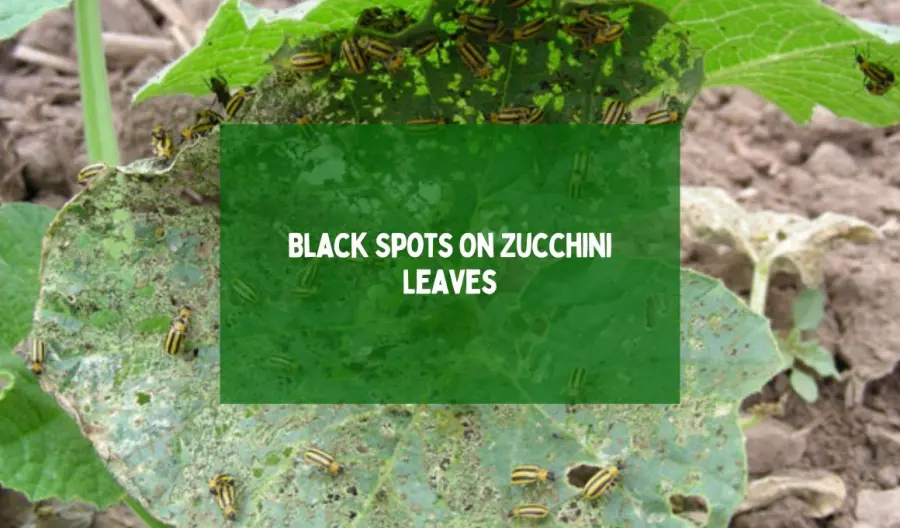
- Brown patches with visible tiny insects underneath: Spider mites or aphids; rinse leaves and apply insecticidal soap.
- Uniform crispy browning during a heat wave: Heat and sun scorch; provide afternoon shade and check watering.
- Only the oldest, lowest leaves affected, plant otherwise healthy: Normal aging; no action needed.
Frequently Asked Questions
Why do zucchini leaves turn brown around the edges first?
Edge browning, sometimes called leaf scorch, usually points to a watering inconsistency or salt buildup from over-fertilizing rather than disease. Flush the soil with a deep watering to dilute excess fertilizer salts, then return to a steady, moderate watering schedule.
Should you remove brown zucchini leaves?
Yes. Once a leaf has gone brown and crispy, it isn't photosynthesizing anymore and can harbor fungal spores or pests that spread to healthy foliage. Cut it near the base of the stem with clean shears and dispose of it in the trash rather than the compost pile if disease is suspected.
Will removing brown leaves hurt fruit production?
Removing a few damaged or dying leaves won't hurt your harvest, and it usually helps by redirecting the plant's energy toward healthy foliage and fruit. Just avoid stripping more than a quarter of the plant's leaves at once, even if several look bad, since the plant still needs enough green tissue to keep photosynthesizing and supporting developing zucchini.
4. Nutrient Deficiencies
Zucchini plants are heavy feeders, and a shortage of key nutrients shows up first in the leaves. A nitrogen deficiency causes older, lower leaves to turn pale yellow before browning at the edges, while newer growth stays green. A potassium shortage tends to scorch the leaf margins first, leaving a dry, brown border around an otherwise green leaf. Magnesium deficiency shows up as yellowing between the veins that eventually browns, while the veins themselves stay green.
Solution: Work compost or a balanced granular fertilizer into the soil at planting time, then side-dress with a fertilizer higher in potassium once the plants start flowering and setting fruit. A foliar feed of diluted fish emulsion or seaweed extract can green up mildly deficient plants faster than a soil feed alone, since the leaves absorb nutrients directly.
Things to consider: Don't assume every yellow-to-brown leaf is a nutrient problem. Rule out watering issues first, since overwatered roots can't take up nutrients even when the soil has plenty of them.
5. Fungal Disease
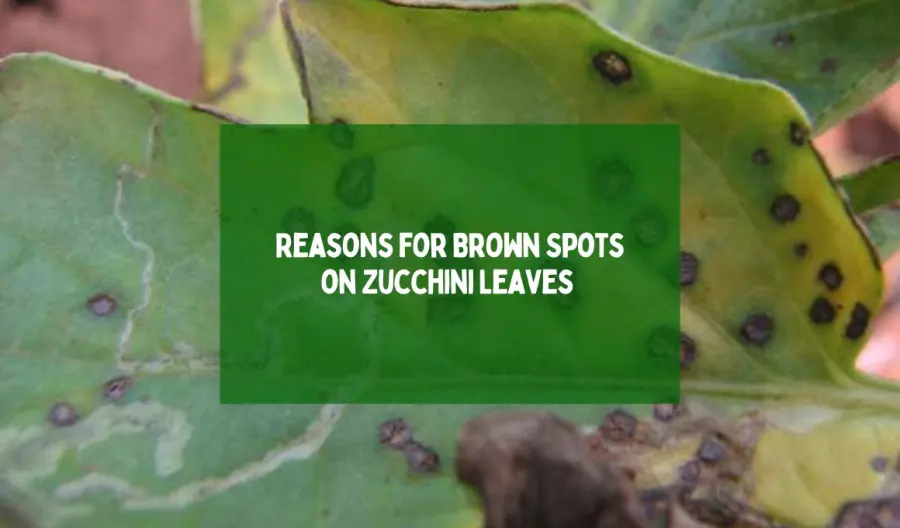
Powdery mildew, downy mildew, and Alternaria leaf blight are the usual fungal culprits behind zucchini leaves turning brown. Powdery mildew starts as white powdery patches that eventually cause the leaf tissue underneath to yellow and brown. Alternaria blight causes concentric brown rings, almost like a target, usually starting on older leaves near the base of the plant. Both spread fastest in humid conditions with poor air circulation.
Solution: Space plants far enough apart for air to move freely, water at the soil line instead of overhead, and remove infected leaves as soon as you spot them rather than composting them. A diluted neem oil or sulfur-based fungicide applied early can slow the spread on plants that are only lightly affected.
Things to consider: Fungal issues tend to show up in late summer when nights cool down but days are still humid. Rotating where you plant squash family crops each year reduces the fungal spores that overwinter in the soil.
Should I remove brown zucchini leaves?
Yes. Once a leaf has turned brown, it won't recover, and leaving it on the plant only gives pests and fungal spores a place to spread from. Cut it off cleanly near the stem with clean pruners, and throw away diseased leaves rather than adding them to your compost pile.
Quick Diagnostic Checklist
When you're not sure which of the five causes is behind your zucchini leaves turning brown, work through the plant systematically before treating anything:
- Check the pattern: Browning that starts at leaf edges points to watering or potassium issues; browning between the veins points to a nutrient deficiency; spots or concentric rings point to fungal disease.
- Check the location on the plant: Older, lower leaves browning first usually means nutrient deficiency or normal end-of-season decline; new growth browning points to a more urgent problem like disease or severe water stress.
- Check the undersides of leaves: Pests and early fungal growth are often visible on the underside before the top of the leaf shows any damage.
- Check the soil moisture: Rule out over- and under-watering first, since both mimic the symptoms of several other causes.