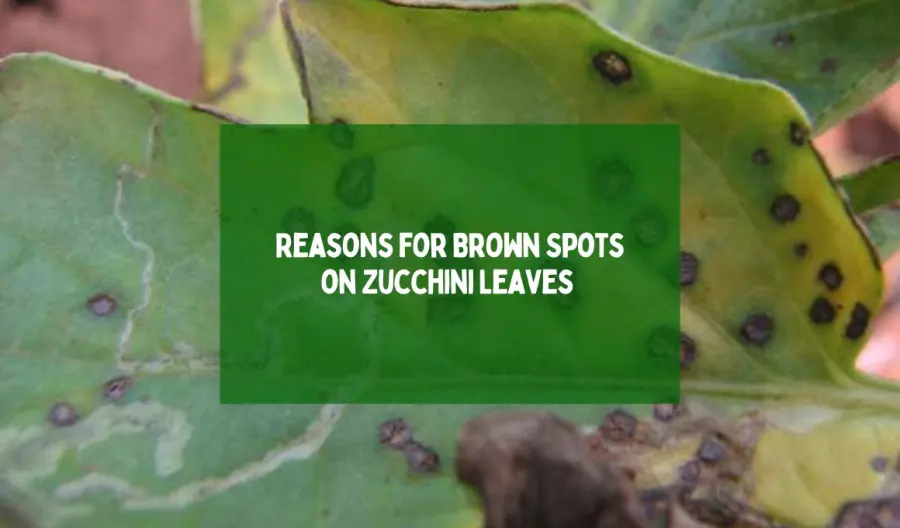
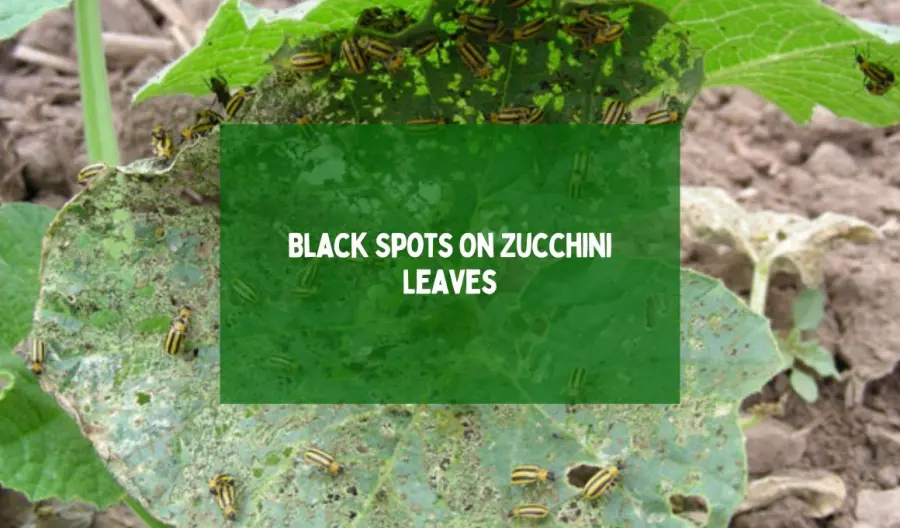
Black spots on zucchini leaves can be a sign of various diseases or fungal infections. One of the most common causes of black spots is a fungal disease called powdery mildew. It typically starts with white or grayish powdery patches on the leaves, which then turn into black spots as the disease progresses.
Zucchini plant leaves can be affected by various diseases, including powdery mildew, downy mildew, and bacterial wilt. Symptoms may include yellowing, wilting, and the appearance of spots or lesions.
In this article, I will discuss the main reasons why my zucchini plant leaves have black spots on them.
8 Reasons Of Black Spots On Zucchini Leaves
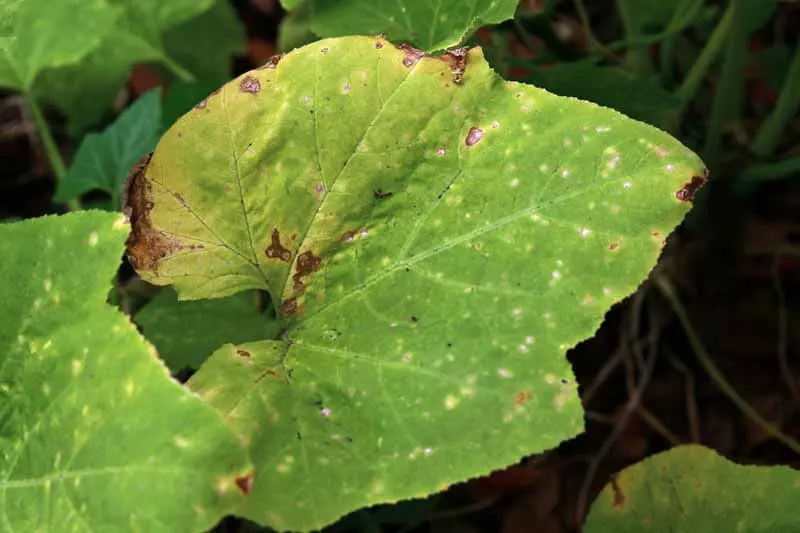
The following 8 reasons of black spots on zucchini leaves are given below;
1. Fungal Diseases
Fungal diseases are a common cause of black spots on zucchini leaves, including powdery mildew and downy mildew. Powdery mildew appears as a white or grayish powder on the leaves, which can turn into black spots as the disease progresses.
This fungal infection thrives in warm and humid conditions, making it difficult during the summer months. Downy mildew is another fungal disease that can cause black spots on zucchini leaves, along with yellowing and wilting.
Prevention
It is important to properly examine and treat these fungal diseases to prevent them from spreading to other plants and causing significant damage to the zucchini crop.
2. Bacterial Diseases
Bacterial diseases cause black spots on zucchini leaves, with bacterial wilt being a common problem. This disease can cause leaves to wilt and turn yellow, as well as black spots to appear on the leaves.
A bacterium that cucumber beetles spread is responsible for bacterial wilt. The disease can be difficult to control once it has infected a plant, but prevention is key.
Prevention
Practicing crop rotation, using insecticides to control cucumber beetles, and removing infected plants from the garden can help prevent the spread of bacterial wilt and other bacterial diseases.
3. Viral Infections
Viral infections can also be the cause of black spots on zucchini leaves, although they are less common than fungal or bacterial infections. Aphids spread the virus, which can also harm other plants in the cucurbit family like melons and cucumbers.
One of the most common viruses that affect zucchini plants is the cucumber mosaic virus, which can cause yellowing and mottling of the leaves as well as the appearance of black spots or streaks.
Prevention
Unfortunately, there is no cure for viral infections, and infected plants should be removed and destroyed to prevent the virus from spreading to other plants. Preventative measures, such as using insecticides to control aphids, can help reduce the risk of viral infections in zucchini plants.
4. Environmental Stress
Environmental stress causes black spots on zucchini leaves. Excessive moisture, poor air circulation, and high humidity can create ideal conditions for fungal and bacterial infections to develop, leading to the appearance of black spots on the leaves.
Exposure to extreme temperatures or sunlight can damage the leaves and make them more susceptible to infection.
Prevention
Proper plant care, including regular watering, good air circulation, and protection from extreme weather conditions, can help prevent environmental stress and reduce the risk of black spots on zucchini leaves.
5. Nutrient Deficiencies
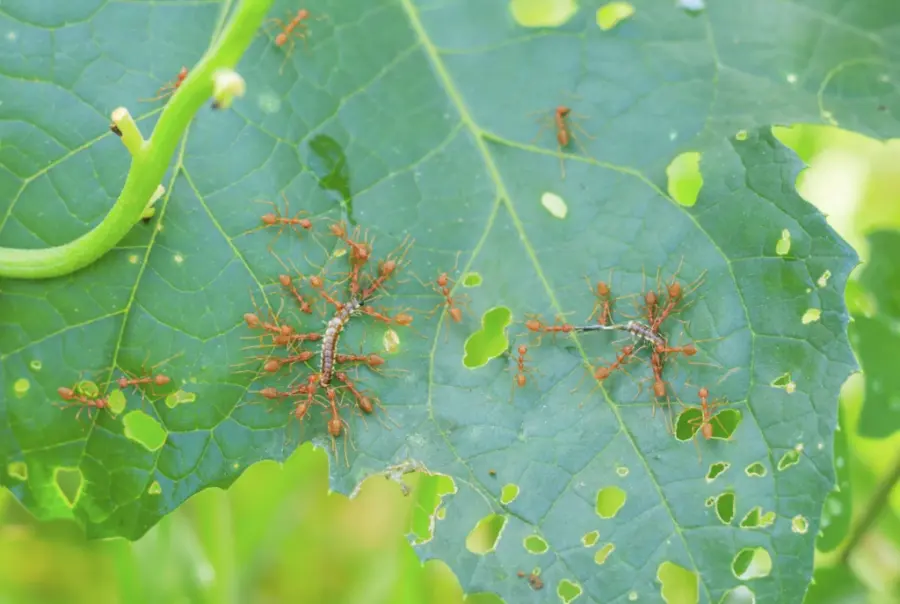
Nutrient deficiencies can also lead to the development of black spots. A lack of essential nutrients, such as nitrogen, phosphorus, and potassium, can weaken the plant and make it more susceptible to fungal and bacterial infections.
Zinc and iron deficiencies can also cause black spots or streaks on the leaves.
Prevention
To prevent nutrient deficiencies, it is important to provide the plant with proper fertilization and soil amendments. Regular soil testing can help identify any nutrient deficiencies and inform a fertilization plan. Adequate sunlight and water are also crucial for proper nutrient uptake in the plant.
6. Insect Damage
Insect damage For example, squash bugs and cucumber beetles can both cause damage to the leaves, which can lead to the development of black spots. Squash bugs feed on the leaves and can cause wilting, yellowing, and blackening of the leaves.
Cucumber beetles can transmit bacterial wilt, which can cause black spots on the leaves. Spider mites can also cause black spots on the leaves by sucking the sap out of the plant, which can damage the leaves and cause discoloration.
Prevention
Proper pest control measures, such as using insecticides and practicing crop rotation, can help prevent insect damage and reduce the risk of black spots on zucchini leaves.
7. Overwatering Or Poor Drainage
Inadequate or inconsistent watering can also stress the plant, causing leaf discoloration. Poor drainage can lead to the development of black spots on zucchini leaves. Overwatering can also cause the leaves to wilt and turn yellow.
When plants are overwatered or the soil does not drain properly, excess moisture can accumulate in the soil and create various conditions for fungal and bacterial infections to develop. This can cause the leaves to develop black spots or lesions.
Prevention
It is necessary to ensure that the soil is well-draining and that the plants are not watered too frequently. Proper watering practices, such as watering deeply but infrequently, can help prevent black spots on zucchini leaves caused by overwatering.
8. Chemical Damage From Pesticides Or Herbicides
When these chemicals are not applied properly or in the correct amounts, they can damage the plant tissue and cause the leaves to develop black spots or lesions. This type of damage can be especially severe if the chemicals are applied during periods of high temperatures or drought stress.
Prevention
Follow all label instructions when applying pesticides or herbicides, including using the correct amount and applying them during the appropriate weather conditions. Avoid applying these chemicals too frequently or in excessive amounts.
Conclusion
Fungal and bacterial infections, environmental stress, insect damage, nutrient deficiencies, overwatering or poor drainage, and chemical damage from pesticides or herbicides are just a few causes of black spots on zucchini leaves.
Identifying the underlying cause of the black spots is necessary for proper treatment and preventing further damage to the plant. Some preventative measures that can be taken include proper watering and fertilization, adequate pest control, and maintaining good air circulation around the plants.
Thanks for your attention!
4. Nutrient and Environmental Spotting
Not every black or dark spot on a zucchini leaf is caused by disease. Potassium deficiency can cause the edges of older leaves to develop dark, almost scorched-looking spots that spread inward, while calcium shortages can cause similar dark speckling on new growth. Cold water splashed on leaves during a hot afternoon can also shock the leaf tissue and leave small dark, dead patches behind.
Insect feeding is another commonly overlooked cause. Flea beetles and squash bugs leave small dark puncture marks where they've fed, which can be mistaken for a fungal spot until you look closely and see the tiny, uniform holes rather than a spreading lesion.
5. Treating Black Spots Once They Appear
Once you've identified the cause, remove and destroy any heavily spotted leaves rather than composting them, since fungal spores and bacteria can survive in a home compost pile and reinfect your garden next season. Disinfect pruning shears with rubbing alcohol between cuts so you don't spread disease from leaf to leaf.
- Neem oil works well as an early treatment for both fungal spots and the insects that spread bacterial disease.
- Copper fungicide is effective against bacterial and fungal leaf spot if applied at the first sign of trouble, before the infection spreads through the plant.
- A baking soda spray (about one tablespoon of baking soda and a few drops of dish soap per gallon of water) can slow the spread of powdery and downy mildew on mildly affected plants.
6. Watering Habits That Cause Black Spots On Zucchini Leaves
How you water has a bigger impact on leaf spotting than most gardeners realize. Overhead watering, especially in the evening, leaves foliage wet overnight and creates exactly the damp conditions fungal spores need to germinate. Watering at the base of the plant in the morning instead gives the foliage time to dry out during the day and cuts down dramatically on the black spots on zucchini leaves caused by fungal and bacterial disease.
Spacing your plants properly also matters. Crowded zucchini plants trap humidity around the leaves and restrict airflow, both of which favor disease. Give each plant at least two to three feet of space in every direction.
Can I still eat zucchini from a plant with black spots on the leaves?
Usually yes, as long as the fruit itself looks clean and firm. Leaf disease doesn't automatically mean the squash is unsafe to eat, though a heavily diseased plant will often produce smaller, lower-quality fruit. Always wash the zucchini and inspect it for soft spots or discoloration before cooking, and skip any fruit that has visible mold or a slimy texture.
7. Mulching to Prevent Soil-Borne Spread
Many of the fungal spores and bacteria responsible for black spots on zucchini leaves overwinter in the soil and splash up onto the lowest leaves during watering or rain. A two- to three-inch layer of straw or shredded leaf mulch around the base of each plant acts as a physical barrier, keeping spores from splashing up onto foliage in the first place. This is one of the simplest preventive steps you can take, and it pays off season after season since it also helps regulate soil moisture and cuts down on the underwatering and overwatering stress that makes plants more vulnerable to disease to begin with.
Are black spots on zucchini leaves contagious to other vegetable plants nearby?
Some are, some aren't. Bacterial wilt and cucumber mosaic virus can spread to other cucurbits like cucumbers, melons, and other squash varieties, usually carried by the same cucumber beetles and aphids that infected the zucchini in the first place. They generally don't cross over to unrelated vegetables like tomatoes or beans. If you spot black spots on zucchini leaves near other squash family plants, treat the whole bed as at risk and monitor everything nearby, not just the original plant.
Diagnosing Black Spots: A Quick Comparison
Because several problems produce dark marks on zucchini foliage, treating the wrong one wastes time and lets the real issue spread. Look closely at the spot itself before reaching for a spray.
- Powdery mildew: starts as pale, dusty patches that darken as the tissue underneath dies; the powder wipes off with a finger, but the black tissue does not.
- Downy mildew: angular, yellow-to-brown lesions bound by leaf veins, often with a fuzzy gray-purple growth on the underside of the leaf during humid mornings.
- Bacterial wilt: spots are usually paired with sudden wilting of entire leaves in daylight that does not recover overnight, plus a sticky, stringy sap if you cut the stem.
- Alternaria leaf blight: a fungal disease that produces concentric "target-ring" black-brown spots, usually starting on the oldest, lowest leaves first.
- Insect feeding: flea beetles and spider mites leave tiny black or bronze speckling rather than true spots. Hold a white sheet of paper under the leaf and tap it; moving specks are mites, not disease.
Frequently Asked Questions
Can I still eat zucchini fruit if the leaves have black spots?
In most cases yes, provided the fruit itself looks clean and firm. Foliar diseases like powdery and downy mildew rarely move into the fruit before the plant is pulled or dies back. Bacterial wilt is the exception; once the vascular system is compromised, fruit quality drops fast, so harvest anything usable right away rather than waiting it out.
Will removing spotted leaves cure the plant?
Removing badly spotted leaves slows the spread by cutting down spore load, but it will not cure a plant that already has a systemic problem like bacterial wilt or a virus. For fungal issues, pruning the worst leaves plus a fungicide application gives the plant a real chance. For viral infection or bacterial wilt, no amount of pruning reverses the damage.
How often should I reapply fungicide once spots appear?
Copper-based fungicides and other protectant sprays need reapplication every 7 to 10 days, or sooner after heavy rain washes off the residue. Spraying once and stopping is one of the most common reasons treatment appears not to work; new growth that emerges after that first spray is left completely unprotected.
Preventing Recurrence Next Season
Black spots on zucchini leaves tend to come back in the same spot in the garden because fungal spores and bacterial pathogens overwinter in old plant debris and soil. Rotate zucchini and other cucurbits to a different bed for at least two years, clear away vines completely at the end of the season instead of tilling them under, and space new plants further apart than feels necessary. Airflow does more to prevent these diseases than any spray applied after symptoms already show up.