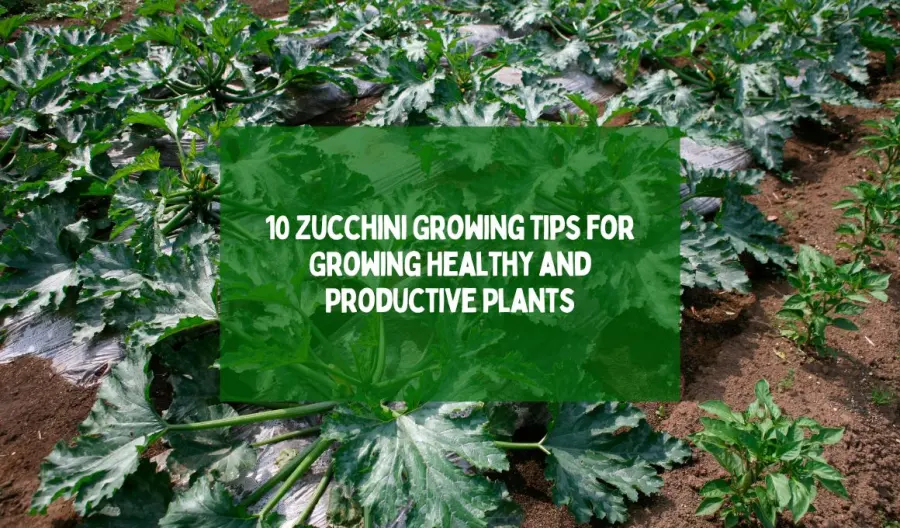
Zucchini plants require relatively little maintenance and do not require much effort to thrive. To ensure healthy growth, they should be planted in a spot with full exposure to sunlight and given adequate water and fertilizer. By providing these basic needs, zucchini plants can produce a plentiful harvest with minimal intervention from the gardener.
As a professional gardener, I've grown zucchini for many years and have learned some valuable tips along the way. In this article, I'm going to share with you 10 zucchini growing tips that will help you achieve a bountiful harvest.
From choosing the right location to controlling pests and diseases, these tips will ensure that your zucchini plants thrive and produce delicious fruit.
Let’s start.
Choose the Right Location

In our list of 10 zucchini growing tips, choosing the right location for your zucchini plants is crucial to their success. Zucchini plants require a sunny location with well-draining soil.
Here are some key points to keep in mind:
- Choose a spot in your garden that receives at least 6-8 hours of direct sunlight per day.
- Ensure the soil is well-draining to prevent waterlogged roots.
- Amend your soil with compost or well-rotted manure before planting.
Prepare the Soil
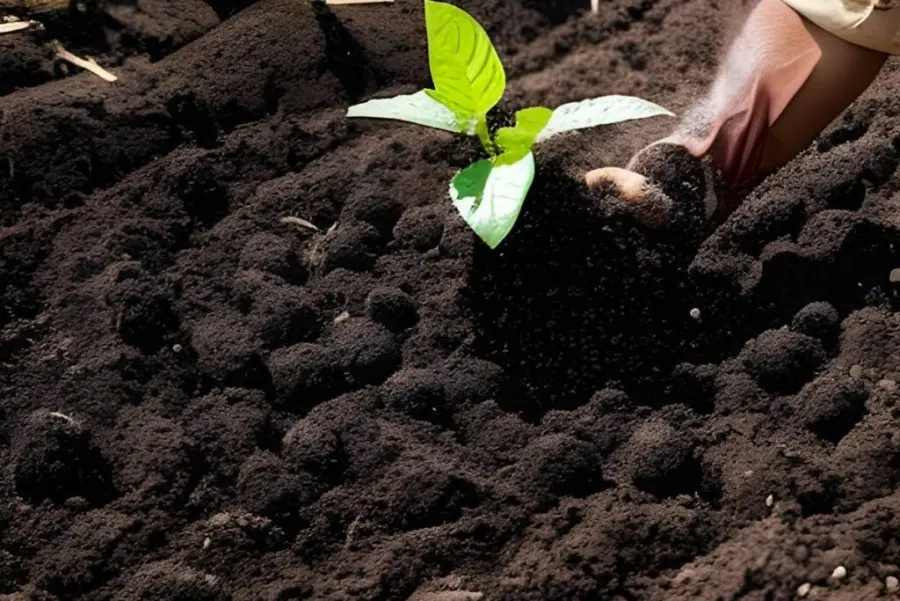
Zucchini plants prefer soil that is rich in organic matter. Preparing the soil before planting can help ensure a healthy growing environment for your zucchini plants. Here's how to do it:
- Test your soil's pH to ensure it is in the range of 6.0-7.5.
- Amend your soil with compost or well-rotted manure to improve its texture and fertility.
- Remove any rocks, roots, or debris that may hinder root growth.
Related Reading:
- How to Find, Prevent, and Treat Zucchini Plant Problems?
- 5 Reasons Why Zucchini Blossoms Fall Off: A Comprehensive Guide
- 5 Reasons Why Zucchini Leaves Turn Brown
- What is Zucchini Summer Squash and How to Plant Zucchini from Seeds?
Plant at the Right Time
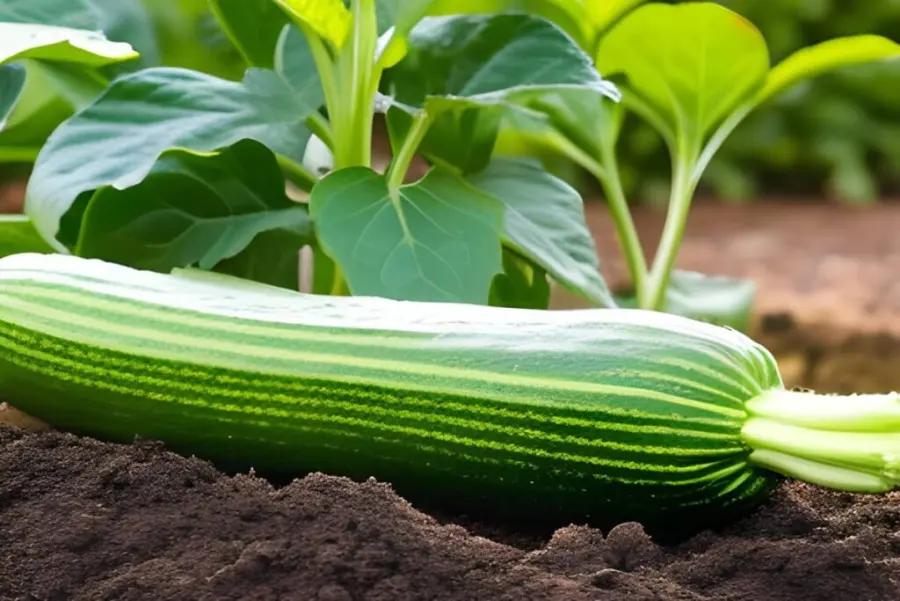
Zucchini plants are warm-season crops that do not tolerate frost. Planting at the right time is essential for a successful harvest. Here are some tips for planting zucchini:
- Wait until after the last frost date in your area before planting.
- Plant seeds or transplants 2-3 weeks after the last frost date.
- Plant seeds 1 inch deep and 3-4 feet apart, or transplant seedlings 18-24 inches apart.
For the best results in our zucchini growing tips, it is recommended to plant zucchini and summer squash between late May to early July, taking into consideration the current season's temperature and rainfall patterns. Since it is a warm-season crop, it thrives in warm air, warm soil, and should be planted when there is no risk of frost.
Water Regularly
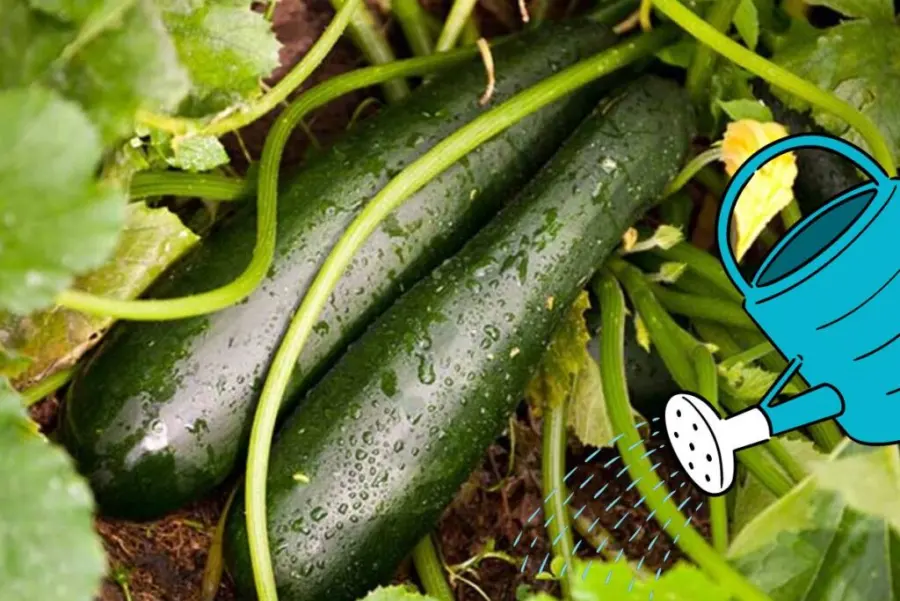
Zucchini plants require consistent moisture to thrive. Water deeply once or twice a week, depending on the weather. Here are some key points to keep in mind:
- Water at the base of the plant to avoid wetting the foliage.
- Use a soaker hose or drip irrigation to deliver water directly to the roots.
- Avoid overhead watering, as this can increase the risk of fungal diseases.
To ensure that your zucchini plants receive adequate moisture, it is recommended to water them once a week in cooler weather, gradually increasing it to two or three times per week during hot and dry periods. This general rule helps to prevent the soil from becoming too dry, which can negatively impact plant growth and fruit production.
Fertilize Appropriately
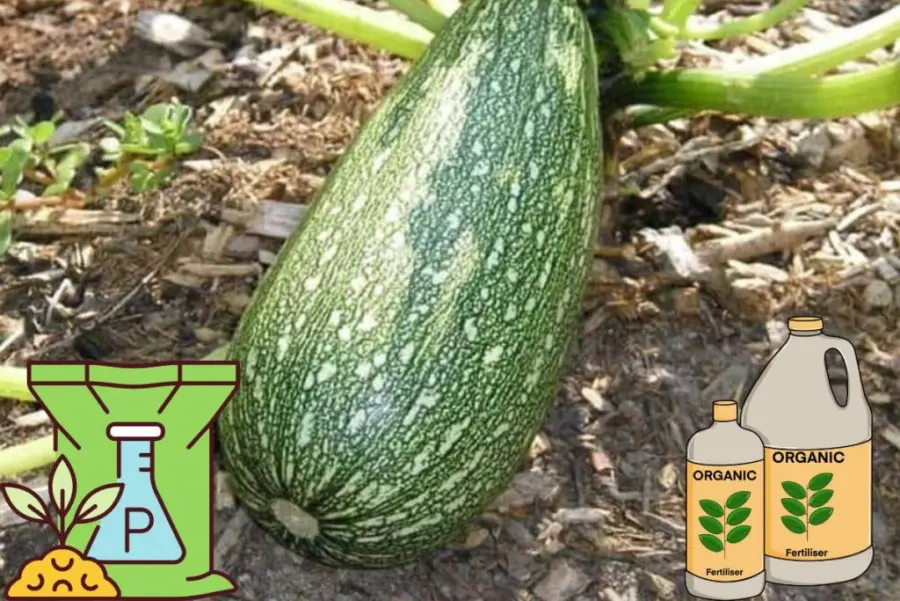
Zucchini plants benefit from regular fertilization. Applying the right type and amount of fertilizer can help ensure healthy growth and a bountiful harvest. Here's what you need to know:
- Use a balanced fertilizer with equal amounts of nitrogen, phosphorus, and potassium.
- Apply fertilizer according to the manufacturer's instructions every 4-6 weeks.
- Avoid over-fertilizing, as this can lead to excessive foliage growth at the expense of fruit production.
Mulch the Soil
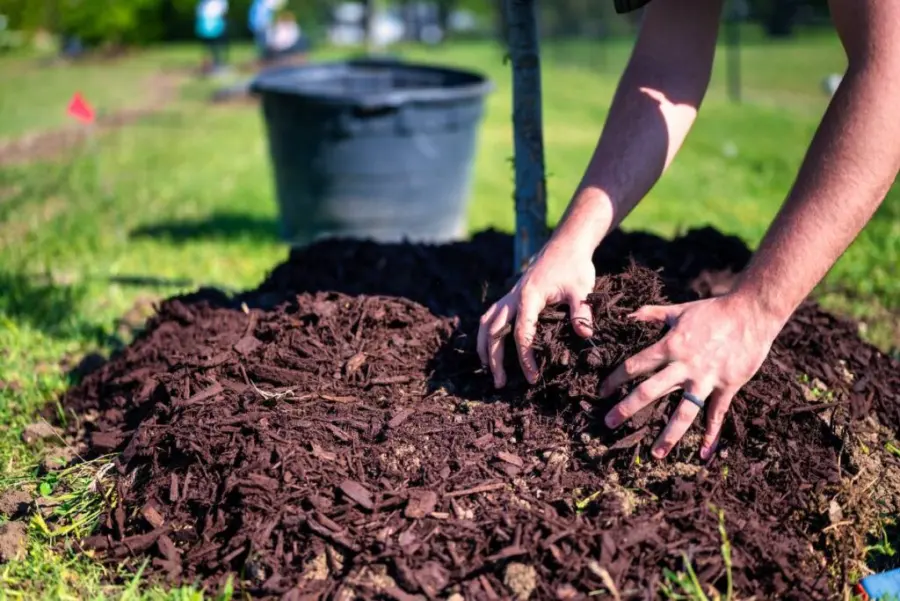
Mulching around zucchini plants can help retain moisture, suppress weeds, and regulate soil temperature. Here are some key points to keep in mind:
- Use organic materials such as straw or shredded leaves for mulch.
- Apply mulch around the base of the plant, leaving a small gap around the stem.
- Mulch to a depth of 2-3 inches, taking care not to cover the foliage.
Overall, mulching the soil around zucchini plants can provide numerous benefits and is a simple yet effective way to improve plant health and productivity.
Train the Vines

Zucchini plants can become quite large and sprawling, taking up a lot of space in your garden. Training the vines can save space and make harvesting easier.
Here's what you need to know:
- Use a trellis or fence to train the vines vertically.
- Tie the vines to the trellis or fence using soft plant ties.
- Pinch off the growing tips of the vines once they reach the desired height to encourage lateral growth.
Harvest Regularly
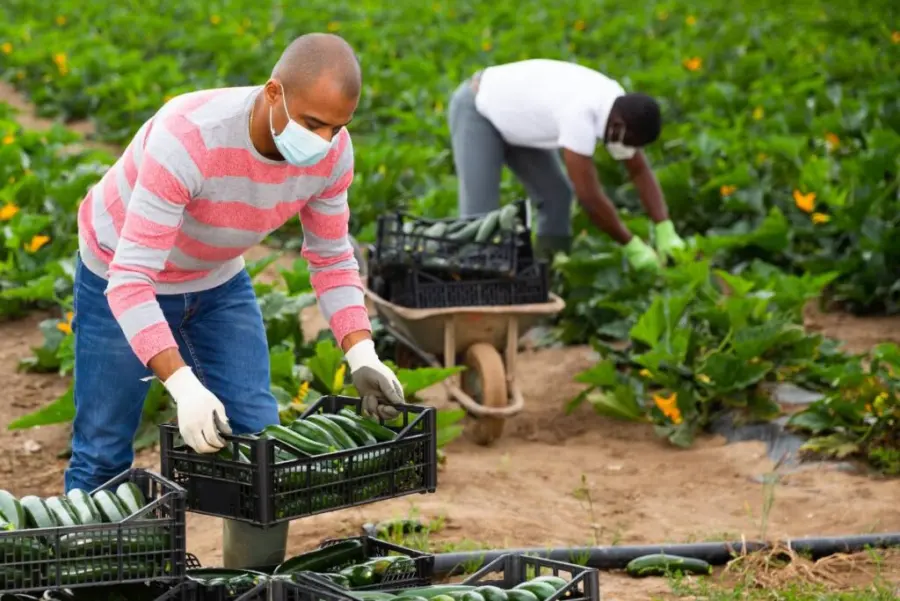
Zucchini plants can produce fruit quickly and abundantly. Regular harvesting is important to keep the plants producing new fruit. Here are some tips for harvesting zucchini:
- Harvest when the fruit is about 6-8 inches long and 1-2 inches in diameter.
- Use a sharp knife or pruning shears to cut the fruit from the stem.
- Harvest every few days to prevent the fruit from becoming too large and tough.
Control Pests
Zucchini plants are susceptible to a variety of pests, including squash bugs and cucumber beetles. Here are some tips for controlling zucchini pests:
- Handpick and remove pests from the plants as soon as you spot them.
- Use insecticidal soap or neem oil to control pests.
- Plant companion plants such as marigolds or basil to deter pests.
Prevent Diseases
Zucchini plants are also susceptible to a variety of diseases, including powdery mildew and bacterial wilt. Here are some tips for preventing zucchini diseases:
- Space plants properly to allow for good air circulation.
- Water at the base of the plant to avoid wetting the foliage.
- Use disease-resistant varieties of zucchini.
Related Reading:
- 7 Tips to get more Tomatoes This Season from every single plants
- Secret Tips To Grow Pumpkins From Seeds
- Complete Aubergine Planting Guide: Tips and Strategies for Successful Cultivation
- Why Carrots Crack: Tips For Preventing Cracking In Carrots
- Cucumber Plant Care Tips: How to Keep Your Plant Healthy and Happy
Conclusion
Growing zucchini can be a rewarding experience, especially when you follow these tips. From choosing the right location to controlling pests and diseases, these 10 tips will help you grow healthy, productive zucchini plants.
With a little bit of effort, you'll be enjoying delicious zucchini all summer long. Remember to water and fertilize regularly, harvest frequently, and control pests and diseases as needed.
Feeding Your Zucchini Through the Season
Zucchini plants are hungry from the moment they start flowering onward. Work compost or a balanced granular fertilizer into the soil at planting time, then switch to a fertilizer lower in nitrogen and higher in phosphorus and potassium once blossoms appear - too much nitrogen late in the season pushes leafy growth at the expense of fruit. A side-dressing of compost every three to four weeks through summer keeps plants productive without the need for heavy synthetic feeding.
Helping With Pollination
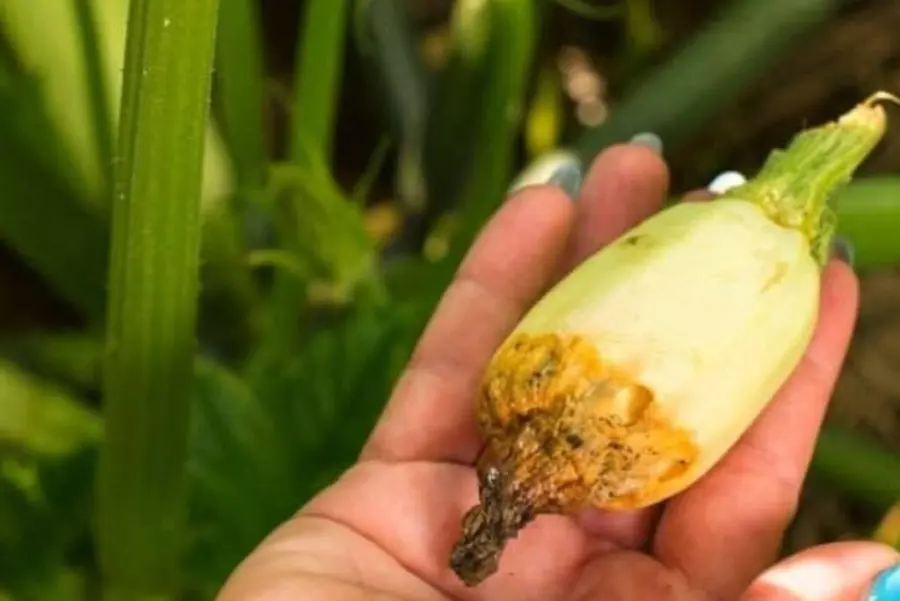
One of the most overlooked zucchini growing tips is paying attention to pollination. Zucchini plants produce separate male and female flowers on the same plant, and both need visits from bees or other pollinators to set fruit. You can tell the two apart easily: female flowers have a small bulge, the immature fruit, behind the petals, while male flowers grow on a plain, thin stem. If fruit keeps forming and then shriveling at the tip before it grows, poor pollination is almost always the cause. Planting flowers like borage or zinnias nearby draws in more pollinators, and hand-pollinating with a small paintbrush in the early morning solves the problem directly.
Supporting Plants With a Trellis
While bush varieties stay relatively compact, vining zucchini types benefit from vertical support. Training vines up a sturdy trellis or cage keeps fruit off damp soil, improves air circulation, and makes it much easier to spot ripe zucchini before it grows oversized. As the vine climbs, loosely tie it to the support every foot or so with soft garden twine - the stems are brittle and snap easily if handled roughly.
Preventing Common Pests and Diseases
- Squash vine borer: This pest tunnels into the base of the stem, causing sudden wilting even when the soil is moist. Wrapping the base of young stems in foil or fine mesh at planting time can prevent the adult moth from laying eggs there.
- Squash bugs: Check the undersides of leaves regularly for clusters of small bronze eggs and scrape them off before they hatch. Adult squash bugs are difficult to kill with sprays, so early egg removal is far more effective.
- Powdery mildew: White, powdery patches on leaves are common by midsummer, especially in humid climates. Improve air circulation by spacing plants properly, water at the soil line rather than overhead, and remove badly affected leaves promptly.
Why Are My Zucchini Leaves Huge but Fruit Production Is Slow?
This is usually a nitrogen imbalance. Too much nitrogen fertilizer, especially from fresh manure or high-nitrogen lawn feed applied nearby, pushes the plant into producing oversized leaves and vines at the expense of flowers and fruit. Cut back on nitrogen, let the plant catch up, and switch to a fertilizer formulated for flowering and fruiting vegetables.
Watering Deeply, Not Often
Frequent shallow watering trains zucchini roots to stay near the surface, which leaves the plant vulnerable during hot, dry stretches. Instead, water deeply once or twice a week, giving the soil enough time to soak down six inches or more before the next watering. A layer of mulch around the base helps hold that moisture in place and keeps soil temperature more stable during heat waves, both of which support steadier fruit production over the course of the season.
Why Are My Zucchini Plants Producing Male Flowers but No Fruit Early On?
This is completely normal and one of the most common questions new gardeners have. Zucchini plants typically produce a flush of male flowers before the first female flowers appear, sometimes by a week or two. It's not a sign of a problem - it's simply how the plant establishes itself before shifting energy toward fruit-bearing female blooms. Patience is usually all that's needed here.
Hand-Pollinating Zucchini for a Better Fruit Set
Zucchini plants produce separate male and female flowers on the same plant, and both rely on bees and other pollinators to move pollen between them. When pollinator activity is low, because of rainy weather, pesticide use nearby, or simply a lack of bees in your area, female flowers can shrivel and drop without ever setting fruit. You can fix this yourself by hand-pollinating.
Identify a male flower, which has a thin, straight stem, and a female flower, which has a small swollen bulge behind the petals that will become the fruit. Pick the male flower, remove its petals to expose the pollen-covered anther, and gently brush it against the center of the female flower. Doing this early in the morning, when flowers are freshly open and pollen is most viable, gives you the best results.
Preventing the Most Common Zucchini Diseases
Powdery mildew is the disease most zucchini growers run into sooner or later. It shows up as a white, powdery coating on the leaves, usually starting in mid to late summer when humidity is high and airflow is poor. Spacing plants properly, watering at the base instead of overhead, and removing the oldest, most shaded leaves all reduce your risk significantly.
Bacterial wilt is a more serious problem, spread by cucumber beetles as they feed. Infected plants wilt suddenly, even when the soil is moist, and there's no cure once a plant is infected. The only real defense is controlling cucumber beetles early in the season with row covers or by handpicking them off young plants before they can spread the bacteria.
Do zucchini plants need full sun to produce well?
Yes. Zucchini planted in partial shade will still grow but produces noticeably fewer flowers and fruit. If your garden only gets four to five hours of direct sun, expect a smaller harvest than the six to eight hours experts generally recommend when following zucchini growing tips like these.
Trellising Zucchini to Save Space and Improve Airflow
Not all zucchini needs to sprawl across the ground. Vining and semi-vining varieties can be trained up a sturdy trellis, cattle panel, or tomato cage, which frees up garden space and lifts the fruit off the soil where it's less likely to develop rot or get chewed on by slugs. As the main stem grows, loosely tie it to the support every twelve inches or so with soft garden twine, being careful not to cinch it tight enough to damage the stem as it thickens.
Growing vertically also improves air circulation around the leaves, which is one of the simplest ways to cut down on powdery mildew without spraying anything. The one tradeoff is that heavier fruit may need extra support, like a sling made from an old stocking or mesh bag, so the weight doesn't snap the stem where it meets the trellis.