Summer squashes like zucchini are often grown in backyard gardens because they are easy to grow and produce a lot of fruit. Zucchini is a popular summer squash that is easy to grow in the garden.
With its mild flavor and versatile culinary uses, zucchini is a favorite of home gardeners and chefs alike. Many gardeners find planting zucchini difficult. Learning how to plant zucchini is a fun and rewarding experience.
In this article, I'll share my 8 zucchini planting tips and how to plant zucchini in your garden for the best harvest.
What is the Best Planting Time of Zucchini?
Zucchini grows best when temperatures are at least 70 degrees Fahrenheit or higher in the early summer. This is because zucchini is a warm-season crop that can't grow in cold or freezing temperatures.
Zucchini plants grow an average of one to two inches per day, and each plant can produce up to ten pounds of veggies. They can be planted and picked many times during the growing season, and it takes about two months for them to grow.
Read more
- 5 Reasons Why Zucchini Leaves Turn Brown
- What is Zucchini Summer Squash and How to Plant Zucchini from Seeds?
What Are Necessary Steps Required to Plant Zucchini in Your Backyard?
The zucchini plant can take up a lot of space in your yard because it grows so quickly. If you don't know how to plant zucchini, and how much space you have. This guide will help with how to grow zucchini vertically
Provide zucchini plants with direct sunlight
Choose a spot in your garden where there is full light and the dirt is rich and loose. By adding organic manure to your soil, you can help your zucchini grow.
When the ground is 60 degrees Fahrenheit and it's at least 70 degrees Fahrenheit outside, it's time to plant your zucchini.
Plant zucchini seedlings in a deep hole
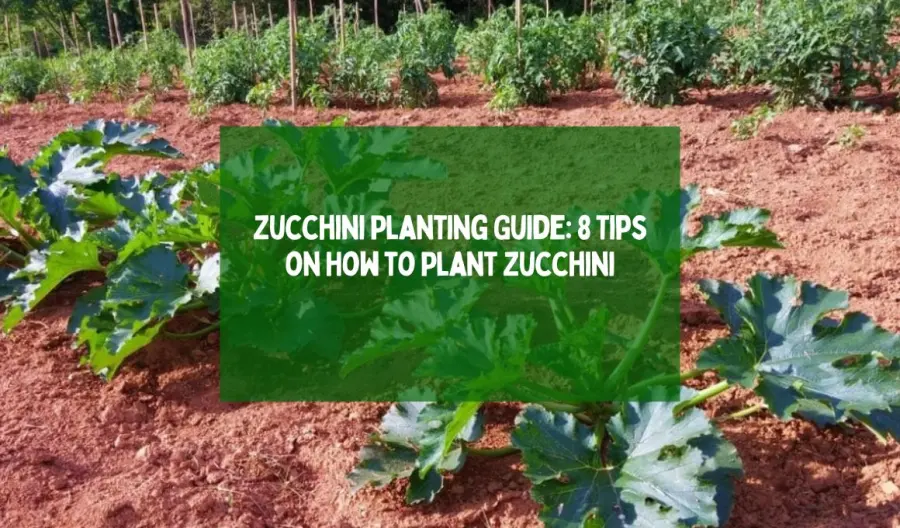
Plant zucchini seeds in holes that are about an inch deep and at least two to three feet apart. Place seeds in the holes. When growing zucchinis, you should be careful because each plant can produce six to ten pounds of food. If you're using trellises to support your zucchini plants, put each plant about two feet in front of each one.
Give your zucchini plants water
It is important to water your zucchini plants regularly, as they need consistent moisture to grow and produce healthy fruit. Aim to water them deeply once or twice a week, depending on the weather and soil conditions. When you water, try to avoid getting the leaves wet, as this can promote disease. Instead, aim to water the soil around the base of the
8 Zucchini Planting Tips For a Successful Harvest
Even though you've planted seedlings in your veggie plots, you're still a long way from having zucchinis. From planting the seed to letting the plant grow up, zucchini trees need a lot of care.
If you follow the 8 zucchini planting tips below, you will get your answer on how to plant zucchini. Your zucchini will grow to its best if you follow these tips.
1. Water seedlings properly
All squash vegetables, like zucchini, need a lot of water to grow well. Add about an inch of water, but the amount will depend on how wet the soil is. If it feels too dry, add another inch of water.
When it's still cold outside in early spring, water your zucchini once a week. As the weather gets warmer, water it twice or even three times a week.
2. Use a mixture of dirt
For how to plant zucchini trees, you need a mix of three soils that drains well and is rich in silt. The best dirt for a vegetable garden has about 40% sand, 40% sediment, and 20% clay. You could also add fertilizer, dung, or other organic materials to your yard to improve the health of your vegetables.
3. Use favorable pesticides
Use a pesticide that breaks down or is natural. Cucumber beetles, squash bugs, and squash plant borers can all attack summer and winter squash, including zucchini. When you take care of your garden, animals or insects will always try to eat your plants.
Use a poison that doesn't hurt the environment to solve an issue in the process of how to plant zucchini. Doesn't take long to break down. Put a net or other barrier around the edge of your yard to stop small or large animals from eating your food.
4. Cover the dirt with mulch and compost
The soi is activated by the living organic and biological parts of decay, such as fungi, bacteria, and minerals, among other things. This makes your goods last longer and helps your plants be strong and resilient.
Adding fertilizer to your soil or putting mulch on top can also help your vegetables grow faster. Be careful with how much you use, since too much fertilizer can cause diseases like bloom end rot.
5. Weed your plants often
Weeding is an important part of keeping plants healthy in a garden. Digging should be a normal part of your gardening. This should be done in the morning when the ground is still damp and the plants are easier to pull out.
Fungi like plectosporium blight and powdery mildew can be kept away from your plants by pulling weeds often.
6. Do pollination by hand
It's important to take care of your body when it comes to your health. For this, you need to be able to tell the difference between male and female flowers. Male flowers have a single stalk, contain pollen, and don't produce fruit, while female flowers have many stems and a bigger, zucchini-shaped base.
After the male and female flowers have been marked, carefully move the pollen from the male flower to the stigmas of the female flower. If fertilization works well, your plants should grow stronger.
Read more
- Growing Nantes Carrots: Tips And Techniques For A Bountiful Harvest
- 26 Early Growing Tomato Varieties For Short Season
- Growing Eggplant And Cucumbers Together Companion Planting
- How To Grow Mini Pumpkins From Seeds?
7. Write every day about the progress
Keep track of when and where you planted your vegetables, as well as any animal or bug activity and other information that might be important for their growth or health. You should be as thorough as possible when recording, which should be done every day if possible.
A garden takes time and work, and the best way to see the results is to write down what you do every day.
8. Try companion planting
You can grow zucchini next to other plants like herbs, peas, or garlic because it grows well with them. Partner gardening has a lot of benefits, such as better plant growth, fewer pests, and more space in the yard.
When the zucchini has grown up, it is ready to be picked. The length of your zucchini should be between 5 and 8 inches. Use something with a point, like a pair of pruners or a small, thin knife, to cut the zucchini off its stalk.
There should still be about two inches of stalk on the berry. If it is grown safely, you should be able to pick zucchini more than once during one growing season.
Conclusion
Growing zucchini plants can be a fun and rewarding experience for any gardener. Remember to choose a sunny location, prepare your soil properly, and provide your plants with adequate water and nutrients. Keep an eye out for common pests and diseases, and take appropriate measures to prevent and control them.
With a little care and attention, you can enjoy fresh zucchini from your garden throughout the growing season. By following the zucchini planting guide and these 8 zucchini planting tips, you can ensure that your zucchini plants thrive and produce a bountiful harvest.
Soil pH and Fertility
Zucchini grows best in soil with a pH between 6.0 and 7.5. If you've never tested your garden soil, a cheap home test kit will tell you where you stand - most vegetable gardens in average soil fall close enough to this range without amendment, but heavily acidic soil, common under conifers or in areas with high rainfall, may need a little garden lime worked in a few weeks before planting. Beyond pH, zucchini is a heavy feeder. Mix a balanced, slow-release fertilizer into the planting hole, then side-dress with compost or a diluted liquid feed once the plants start flowering - this is when they need the most phosphorus and potassium to support fruit development.
Growing Zucchini in Containers
If you're short on garden space, these zucchini planting tips don't have to stop at in-ground beds - the plants do surprisingly well in large containers, provided the pot holds at least 5 gallons of soil per plant and has generous drainage holes. Bush varieties are better suited to pots than vining types. Container-grown zucchini dries out faster than in-ground plants, so check the soil daily during hot stretches and be ready to water more often than you would in a garden bed.
Mistakes That Cost You a Harvest
- Planting too early: Zucchini seeds and seedlings are extremely sensitive to cold soil. Planting before the soil has warmed to at least 60°F often results in seeds rotting before they sprout.
- Skipping the mulch: A two- to three-inch layer of straw or shredded leaf mulch around the base keeps soil moisture even and blocks weeds that would otherwise compete with young plants for nutrients.
- Ignoring pollination: Zucchini produces separate male and female flowers, and poor pollination is one of the most common reasons fruit shrivels after forming. If you notice few bees visiting, hand-pollinate in the morning by transferring pollen from a male flower to a female one with a small paintbrush.
- Not thinning seedlings: If you plant several seeds per hole as insurance against poor germination, thin down to the single strongest seedling once true leaves appear - crowded roots stunt growth for the rest of the season.
How Many Zucchini Plants Do You Actually Need?
Fewer than you'd think. A single healthy zucchini plant can produce several pounds of fruit per week at peak season, so two or three plants is plenty for most households. Gardeners who plant a full row every year often end up giving away wheelbarrows of zucchini by August.
Companion Planting for Better Results
Zucchini does well planted near beans, corn, radishes, and nasturtiums. Radishes are sometimes used as a trap crop for flea beetles, drawing pest pressure away from the young zucchini seedlings, while nasturtiums attract aphids away from your squash and draw in predatory insects that help keep pest numbers down. Avoid planting zucchini too close to potatoes, which compete heavily for the same soil nutrients and can stunt both crops.
Companion Planting for Better Zucchini Yields
What you plant near your zucchini affects how well it produces. Nasturtiums and marigolds planted around the base help repel squash bugs and aphids, and nasturtiums double as a trap crop that draws pests away from the zucchini itself. Beans and peas planted nearby fix nitrogen in the soil, which benefits zucchini's heavy feeding habits. Avoid planting zucchini near potatoes, since both are heavy feeders that compete for the same nutrients and can stunt each other's growth.
Corn, beans, and squash together, the classic three sisters planting, works because the corn gives climbing support to beans, the beans fix nitrogen, and the squash's broad leaves shade the soil and suppress weeds. If you're short on space, this combination lets you get more food out of a single bed.
Common Zucchini Planting Mistakes to Avoid
Planting too early is one of the most common mistakes. Zucchini seeds planted in soil colder than 60 degrees Fahrenheit will often rot before they germinate, so it pays to wait even if the calendar says it's technically spring. Overcrowding is another issue: cramming plants closer than the recommended two to three feet reduces airflow, which raises the risk of powdery mildew and other fungal problems later in the season.
Skipping mulch is a mistake many new gardeners make. A two- to three-inch layer of straw or shredded leaves around the base of zucchini plants conserves soil moisture, keeps weeds down, and prevents soil from splashing onto the leaves during watering, which is one of the main ways fungal spores spread. Following solid zucchini planting tips like these from the start saves you from troubleshooting problems later in the season.
How many zucchini plants do you actually need?
For most households, two to three zucchini plants are plenty. A single healthy plant can produce six to ten pounds of fruit over a season, so planting a full row the way you might with corn or beans usually leads to far more zucchini than one family can use.