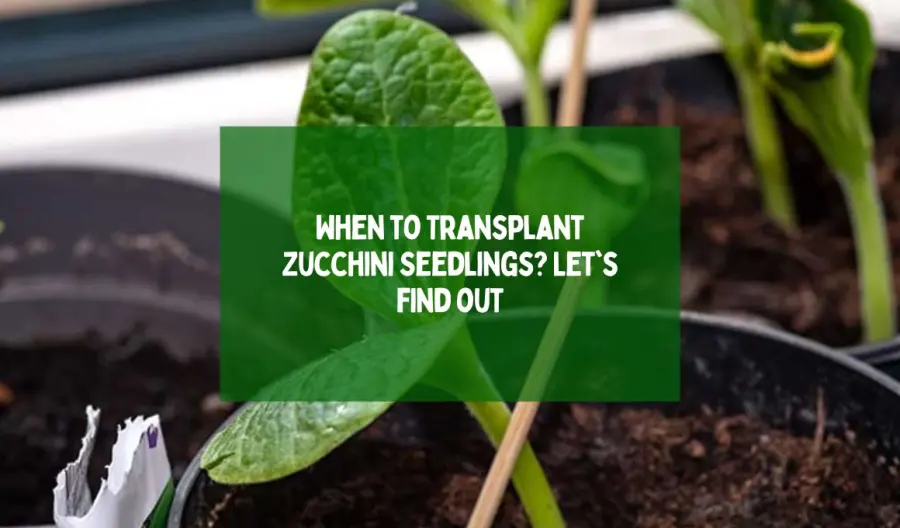
Zucchini seedlings should be transplanted outdoors after the last frost date in your area, once the soil has warmed up to at least 60°F (15.6°C) and the seedlings have grown their second set of true leaves. This typically occurs around 4-6 weeks after starting the seeds indoors.
Zucchini is a popular summer squash that is easy to grow from seeds. It's pretty easy to plant zucchini seeds, but it's a bit trickier to move the seedlings to a new spot. In this article, we'll talk about when to transplant zucchini seedlings outside and what you should do to make sure they do well.
Transplanting Zucchini Seedlings
Start zucchini seeds indoors about 4 to 6 weeks before the last frost date in your area. This will give the seeds time to sprout and grow into healthy sprouts before being moved outside. Once the plants have grown two sets of true leaves and have come out of the soil, they are ready to be moved.
But before you move the plants outside, you should make sure that the weather is warm enough. Zucchini plants are sensitive to frost and cold, and if they are exposed to these conditions, they may not live.
When to transplant zucchini seedlings?
The temperature is an important factor for transplanting. The temperature of the soil should be at least 60°F (15°C), and the temperature during the day should always be above 70°F (21°C).
This means that in most places, you can move zucchini plants outside in late spring or early summer. But if you live in a colder environment or at a higher height, you may need to wait until later in the season when the weather is better.
How to move Zucchini plants from one place to another?
When moving zucchini seeds to the garden, it's important to follow a few best practices to make sure zucchini seedlings when to transplant.
Choose a spot with sunlight
Zucchini plants need a lot of light to grow and bear fruit. Choose a spot in your yard that gets strong sunshine for at least 6 hours a day.
Prepare the soil
Zucchini plants like soil with a lot of organic matter that drains well. Before you move your plants, add compost or old manure to the dirt to improve its structure and nutrition.
Harden off the seeds
Before you move your seedlings to their new homes, you need to gently expose them to the conditions outside. Start by putting the seeds outside for a few hours each day. Over the course of a week, slowly increase the amount of time they spend outside.
Dig a hole
Dig a hole deep enough to hold the whole root ball of the plant in the prepared soil. To plant the baby, carefully take it out of its pot and put it in the hole. Make sure the top of the root ball is at the same level as the top of the dirt.
Water the seedling
Watering the seedlings right after replanting will help the soil settle and make sure the roots can get water.
Mulch the soil
Use straw, chopped leaves, or another organic material to cover the soil around the base of the plant. This will help keep water in the soil and keep weeds from growing.
Read More:
How to Pick the Best Zucchini?
45–55 days after you plant your seeds, they should start to bloom. Look carefully under the big leaves, because zucchini is easy to "hide" there.
Small early types that are about 6 inches long are the most tender and tasty. If you pick them often, you can get a bigger crop.
You might be surprised at how fast zucchini squash grows since it can also get very big. Cut the zucchini off the plant with a sharp knife, and then put it in a clean fridge.
Zucchini Freezing
Because zucchini trees are usually easy to grow, your yard will probably always have a lot of them that you won't want to waste. The good news is that the zucchini keeps well. Pieces that have been chopped, diced, or shredded can be frozen.
Conclusion
It can be hard to decide when to transplant zucchini seedlings outside, but if you follow these best practices, you can help make sure they do well.
Before you move your seeds, make sure the weather is warm enough, pick an open spot with well-drained soil, and let your plants get used to the cold. You can grow healthy zucchini plants in your yard with a little care and attention.
Spacing Seedlings Correctly When You Transplant
How far apart you space seedlings when you transplant zucchini seedlings has a bigger effect on plant health than most gardeners expect. Give each plant 24 to 36 inches in every direction. Zucchini leaves are enormous, some varieties spread a canopy three feet across, and crowded plants shade each other out, compete for the same root zone, and stay damp longer after watering or rain, which invites powdery mildew and other fungal problems. If you're working with a small raised bed, it's better to transplant fewer seedlings with proper spacing than to squeeze in extra plants; two healthy, well-spaced zucchini plants will out-produce four crowded ones over the course of a season.
Minimizing Transplant Shock
Zucchini has a sensitive root system and doesn't love being disturbed, which is why so many guides recommend starting seeds in biodegradable pots you can plant directly into the ground. If you started seeds in plastic trays instead, handle the move carefully:
- Water before you dig. Water the seedlings a few hours before transplanting so the root ball holds together and slides out cleanly.
- Handle by the leaves, not the stem. If a leaf tears, the plant can grow a new one. If you crush the main stem, the plant usually won't recover.
- Transplant in the evening or on an overcast day. This gives the roots time to settle before they have to deal with the stress of full sun.
- Keep as much soil around the roots as possible. Disturbing the root ball more than necessary is one of the biggest causes of transplant shock in cucurbits.
- Water in immediately after planting. A thorough soak right after planting helps settle soil around the roots and eliminates air pockets.
Depth and Hole Preparation
Dig the hole roughly twice as wide as the root ball and just as deep, so the seedling sits at the same soil level it was growing at in its container. Planting too deep can encourage stem rot, while planting too shallow leaves roots exposed and prone to drying out. Mix a couple handfuls of compost into the bottom of the hole before you set the plant in, then backfill and firm the soil gently around the base without compacting it too tightly.
Caring for Seedlings in the First Week After Transplanting
The first week after you transplant zucchini seedlings is the most vulnerable stretch of the plant's life. Check the soil daily, since newly disturbed roots can't pull moisture as efficiently as established ones, and the plant may wilt in afternoon heat even if the soil underneath is still damp. Light wilting during the hottest part of the day that recovers by evening is normal and doesn't mean you need to water more. Wilting that persists into the morning is a sign the plant needs water or, less commonly, that it was transplanted too deep. Hold off on fertilizing for about a week to let the roots recover before pushing new growth. If a late cold snap is forecast, cover young transplants with a cloche, row cover, or even an upside-down bucket overnight.
Common Transplanting Mistakes
- Transplanting seedlings that are too old. Zucchini seedlings that outgrow their starter pots and become root-bound transplant poorly and often stall out for weeks. Move them before they get leggy or crowded.
- Skipping the hardening-off period. Seedlings moved straight from a warm windowsill to full outdoor sun and wind often show sunscald or snap in the wind. Take the full week to gradually acclimate them.
- Transplanting into cold soil. Even if the seedlings look ready, soil below 60°F will stall root growth and can trigger transplant shock that sets the plant back weeks.
- Not staking or supporting sprawling varieties. Vining zucchini types benefit from a bit of structure or extra spacing so the vines don't smother neighboring plants.
Transplanting Into Raised Beds vs. In-Ground Gardens
Raised beds warm up earlier in spring than in-ground soil, so you may be able to move seedlings into the ground there a week or two sooner than you could in a traditional garden row. The tradeoff is that raised beds also dry out faster, especially shallow ones, so plan on watering more frequently once the seedlings are in. In-ground gardens hold moisture longer but stay cooler into late spring, particularly in clay-heavy soil, so check soil temperature with a simple probe thermometer rather than guessing. If you garden in a region with a short growing season, raised beds are generally the better choice for getting zucchini off to an early, strong start.
Frequently Asked Questions
Can you transplant zucchini seedlings directly from a seed tray into the garden?
Yes, but do it before the roots fill the cell and start circling, usually within two to three weeks of germination. Older, root-bound seedlings suffer more transplant shock and take longer to resume active growth once in the ground.
What if you don't have time to harden off seedlings before transplanting?
Skipping hardening off isn't ideal, but if you're stuck, transplant on a cloudy, calm day and provide temporary shade with a light cloth or cardboard for the first two to three days to ease the transition.
Do zucchini seedlings recover from transplant shock?
Most do, given consistent watering and a little patience. A seedling that looks stressed for three or four days after transplanting is normal; one that hasn't perked up after a week or shows blackened stem tissue at the soil line likely won't recover and should be replaced.
Signs of Transplant Shock and How to Help Seedlings Recover
Even with careful handling, zucchini seedlings often wilt or droop for a day or two after transplanting. This is normal transplant shock, caused by root disturbance and the sudden change in light, temperature, and humidity. Leaves may look pale or slightly curled, and growth appears to pause. Keep the soil evenly moist, not soggy, for the first week, and shield the seedlings from harsh afternoon sun with a shade cloth, an overturned basket, or a row cover for two to three days. Avoid fertilizing right after transplanting, since stressed roots can be burned by fertilizer salts before they've re-established. Most seedlings bounce back within three to five days; if a plant is still wilted and not perking up after a week, check for a girdled or damaged root ball before assuming the worst.
Regional Timing: When Transplanting Dates Shift
The "wait until after the last frost" rule looks different depending on where you garden. In warmer zones (8-10), you can often transplant zucchini seedlings in early-to-mid spring and get a second planting in for a fall crop. In cooler zones (3-5), soil often doesn't warm to 60°F until late May or even June, and gardeners there sometimes use black plastic mulch or row covers to warm the soil a week or two early. In hot, humid climates, it can pay to delay slightly rather than rush - zucchini transplanted into soil that's warm but not yet blazing hot avoids the stress of rooting during a heat spike. Check your local extension office's frost-free date rather than relying on a national average, since microclimates within the same state can vary by two to three weeks.
How many zucchini seedlings should I plant per hole?
Transplant one seedling per hole. Unlike direct-sown seeds, where planting two or three per hole as insurance makes sense, transplants have already proven they germinated, so crowding two into one hole just forces them to compete for the same root space and light.
Can you transplant zucchini seedlings that have outgrown their pots?
Yes, but handle them carefully. Rootbound seedlings with roots circling the bottom of the pot should have those roots gently teased apart before planting, or they may keep growing in a tight circle instead of spreading into the surrounding soil.
Planting Depth and Spacing at Transplant Time
Set each zucchini seedling into its hole so the top of the root ball sits level with, or very slightly below, the surrounding soil line. Burying the stem noticeably deeper than it was growing in the pot doesn't help zucchini the way it helps tomatoes, since zucchini doesn't root along its stem. Space bush varieties 18 to 24 inches apart and vining varieties closer to 36 inches, measuring from the center of one plant to the next. Tamp the soil gently around the base to remove air pockets, but avoid compacting it hard, which can restrict the roots just as they're trying to spread into their new space.
Do zucchini seedlings need protection from wind after transplanting?
Young seedlings with a small root system can get knocked over or have their stems bruised by strong wind. A temporary windbreak, such as a row cover hoop or even a ring of stakes, helps for the first week or two until the roots anchor the plant firmly in place.