Zucchini, also known as courgette, is a versatile and nutritious vegetable commonly enjoyed cooked in various dishes. However, have you ever wondered if it's safe to eat zucchini raw?
In this article, we will explore the topic "Can you eat uncooked zucchini?" and provide you with a comprehensive guide on the subject.
So let's dive in and uncover the truth about eating raw zucchini!
Is It Safe to Eat Raw Zucchini?
Raw zucchini is generally safe to eat and can be a refreshing addition to your diet. It offers a crunchy texture and a mild, slightly sweet flavor.
However, it's important to note that some individuals may experience digestive discomfort when consuming raw vegetables, including zucchini.
If you have a sensitive stomach or a history of digestive issues, it's advisable to gradually introduce raw zucchini into your diet and monitor your body's response.
What Are the Risks?
While raw zucchini is generally safe, there are a few risks to be aware of. First, zucchini may contain harmful bacteria such as Salmonella or E. coli, which can cause foodborne illnesses if not properly handled or washed.
To minimize this risk, it's crucial to choose fresh, high-quality zucchini and wash it thoroughly before consumption.
Secondly, some individuals may experience an allergic reaction to raw zucchini.
If you have a known allergy to other members of the Cucurbitaceae family, such as cucumbers or melons, it's best to avoid raw zucchini or consult with a healthcare professional before incorporating it into your diet.
Nutritional Benefits of Raw Zucchini
Raw zucchini is a nutrient-dense vegetable that can provide several health benefits. It is low in calories and packed with essential vitamins and minerals.
Here are some key nutrients found in raw zucchini:
- Vitamin C: Raw zucchini is a great source of vitamin C, which supports immune function and collagen production.
- Vitamin K: Zucchini contains vitamin K, important for blood clotting and bone health.
- Fiber: Eating raw zucchini can contribute to your daily fiber intake, aiding in digestion and promoting satiety.
- Potassium: Zucchini is a good source of potassium, an electrolyte that helps regulate blood pressure and heart health.
- Antioxidants: Raw zucchini contains antioxidants like lutein and zeaxanthin, which are beneficial for eye health.
Best Ways to Enjoy Raw Zucchini
Now that we've established that raw zucchini can be safely consumed, let's explore some delicious ways to enjoy it in its uncooked form.
Incorporating raw zucchini into your meals can add a refreshing twist and introduce a range of textures to your palate.
Zucchini Ribbons and Salad
One of the simplest and most visually appealing ways to enjoy raw zucchini is by creating zucchini ribbons. Using a vegetable peeler or a mandoline slicer, slice the zucchini lengthwise into thin strips.
Toss the ribbons with a light dressing made from lemon juice, olive oil, salt, and pepper. Add some cherry tomatoes, fresh herbs, and crumbled feta cheese for a delightful zucchini salad.
Zucchini Noodles (Zoodles)
Zucchini noodles, also known as zoodles, have gained popularity as a low-carb and gluten-free alternative to traditional pasta.
Using a spiralizer or a julienne peeler, transform raw zucchini into long, noodle-like strands. Serve the zoodles with your favorite pasta sauce, such as marinara or pesto, for a healthy and satisfying meal.
Zucchini Slices with Dips
Another simple yet delicious way to enjoy raw zucchini is by slicing it into thin rounds and serving it with dips.
Hummus, tzatziki, or a creamy avocado dip are all excellent choices. The crisp texture of the zucchini pairs perfectly with creamy and flavorful dips, making it a great option for parties or as a light snack.
Tips for Selecting the Perfect Raw Zucchini
To ensure you have the best raw zucchini experience, it's essential to choose the right zucchini when shopping.
Here are some tips to help you select the perfect zucchini for consumption in its uncooked state:
Choose Fresh and Firm Zucchini
When selecting zucchini, look for ones that are firm and have a vibrant green color. Avoid zucchini that feels soft or has blemishes, as these are signs of deterioration. The skin should be smooth and free from wrinkles or mold.
Check for Signs of Spoilage
Inspect the zucchini for any signs of spoilage, such as dark or mushy spots. Additionally, avoid zucchini with a slimy texture, as this indicates it is past its prime. Fresh zucchini should have a mild aroma and feel slightly heavy for its size.
Organic vs. Conventionally Grown Zucchini
When it comes to selecting zucchini, you may be wondering whether to choose organic or conventionally grown options.
Organic zucchini is grown without synthetic pesticides and fertilizers, making it a popular choice for those seeking to reduce exposure to potentially harmful chemicals.
However, conventionally grown zucchini is generally safe to consume when properly washed, as pesticide residues are typically within acceptable limits.
Washing and Preparing Raw Zucchini
Properly washing and preparing raw zucchini is crucial to removing dirt and potential contaminants and minimizing the risk of foodborne illnesses.
Here are some guidelines to follow:
How to Properly Wash Zucchini
To wash zucchini, follow these steps:
- Rinse the zucchini under cool running water to remove any visible dirt.
- Use a vegetable brush to gently scrub the surface of the zucchini, paying extra attention to the stem end and any crevices.
- Thoroughly rinse the zucchini again to remove any loosened dirt or debris.
Should You Peel the Skin?
Whether or not to peel the skin of raw zucchini is a personal preference. The skin is edible and adds a vibrant green color to your dishes, as well as additional fiber and nutrients. However, if you prefer a milder taste or have difficulty digesting the skin, you can peel it using a vegetable peeler.
Removing the Seeds
While zucchini seeds are safe to eat, some individuals may find them unpleasant due to their texture. If desired, you can remove the seeds by slicing the zucchini lengthwise and using a spoon or a small knife to scoop them out.
Conclusion
Eating raw zucchini is generally safe and can be a delicious way to incorporate this versatile vegetable into your diet. While there are some risks associated with raw consumption, proper washing and selecting fresh zucchini can minimize these concerns.
Whether you enjoy zucchini ribbons in a salad, zoodles as a pasta alternative, or sliced with dips, raw zucchini can add a nutritious and refreshing element to your meals.
So go ahead, embrace the crunch, and indulge in the natural flavors of raw zucchini!
FAQs About Eating Raw Zucchini
Here are some FAQs about eating
Is raw zucchini better than cooked?
Both raw and cooked zucchini offer nutritional benefits, but the cooking process can slightly reduce certain nutrients. Raw zucchini contains higher amounts of vitamin C and other heat-sensitive vitamins.
However, cooking zucchini can enhance the availability of antioxidants like lycopene. To maximize nutrient intake, it's beneficial to enjoy zucchini in a variety of ways, both raw and cooked.
Can You Freeze Raw Zucchini?
While zucchini can be frozen, the texture may change significantly once thawed, making it less suitable for raw consumption. Freezing is best for zucchini that you plan to cook or use in baked goods, soups, or stews.
Is Raw Zucchini Good for Weight Loss?
Raw zucchini is an excellent choice for weight loss due to its low calories and high fiber content. It can help you feel full while providing essential nutrients. Incorporating raw zucchini into a balanced diet can support your weight-loss efforts.
Can You Eat Raw Zucchini Flowers?
Yes, zucchini flowers are edible and can be consumed raw or cooked. They have a delicate flavor and are often used in culinary preparations such as salads or stuffed with cheese and herbs. However, zucchini flowers are more commonly found in specialty markets or home gardens.
How Long Does Raw Zucchini Last?
Raw zucchini can be stored in the refrigerator for up to a week. To maintain its freshness, store it unwashed in a perforated plastic bag to allow air circulation. Avoid storing zucchini near ethylene-producing fruits like apples or bananas, as this can cause premature ripening.
Best Ways to Eat Zucchini Raw
Raw zucchini works best when it's cut thin or broken down structurally, since a thick raw chunk can taste watery and a little tough. Some of the most effective ways to serve it raw:
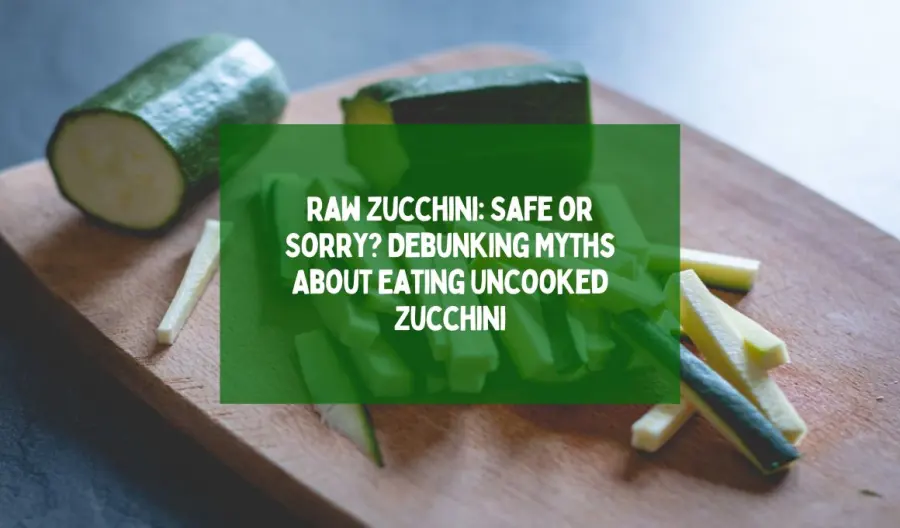
- Spiralized into noodles ("zoodles") and tossed with a light dressing, olive oil, or a raw sauce.
- Shaved into ribbons with a vegetable peeler and added to salads for a change of texture from leafy greens.
- Thinly sliced into rounds for a raw carpaccio-style salad, dressed with lemon, olive oil, salt, and shaved cheese.
- Cut into sticks and served as a crudité with hummus or another dip.
Choosing the Right Zucchini for Eating Raw
Not every zucchini is equally suited to being eaten uncooked. Smaller, younger zucchini — roughly 6 inches or less — has a thinner skin, smaller seeds, and less water content, which makes for a firmer bite and milder flavor raw. Larger, overgrown zucchini tends to be more watery, more seedy, and can develop a slightly bitter edge, all of which are more noticeable when it isn't cooked down. If you're planning on eating uncooked zucchini, pick or buy on the smaller side rather than reaching for the biggest one in the garden or at the market.
Frequently Asked Questions
Do you need to peel zucchini before eating it raw?
No — the skin is thin and edible, and it holds a good share of the vegetable's fiber. Just wash it well under running water first. Peeling is optional and mostly a texture preference rather than a safety requirement.
Can you eat raw zucchini every day?
For most people, yes, in reasonable portions as part of a varied diet. If you're new to eating a lot of raw vegetables, introduce it gradually, since a sudden increase in raw fiber can cause temporary bloating or digestive discomfort in some people.
Why does raw zucchini sometimes taste bitter?
A mildly bitter edge in an older, larger zucchini is usually just a sign of maturity. But an intensely bitter raw taste is different and should not be ignored — it can indicate elevated levels of naturally occurring compounds called cucurbitacins, and that fruit should be discarded rather than eaten, raw or cooked.
Is raw zucchini a good choice for kids?
Generally yes, once a child is old enough to handle raw vegetable textures safely. Cut it into thin sticks or small pieces rather than large chunks to reduce choking risk for younger kids, and pair it with a familiar dip like hummus or ranch to make it more appealing. Its mild flavor makes it one of the easier raw vegetables to introduce to picky eaters.
Common Myths About Eating Raw Zucchini
A lot of misinformation circulates about raw zucchini, so it helps to separate fact from fiction before you toss it into a salad.
- Myth: Raw zucchini is always bitter. Bitterness comes from cucurbitacins, compounds that build up under stress conditions like drought, extreme heat, or poor pollination, not from eating the squash uncooked. A properly grown, well-watered zucchini should taste mild and slightly sweet whether raw or cooked. If a raw slice tastes intensely bitter or soapy, spit it out and discard the rest of that squash. That level of bitterness signals an unusually high cucurbitacin concentration, which can cause stomach cramps in rare cases.
- Myth: Cooking is necessary to make zucchini nutritious. The opposite can be true for some nutrients. Vitamin C is heat-sensitive and breaks down during cooking, so eating uncooked zucchini actually preserves more of it. Fiber content stays essentially the same either way.
- Myth: You should always peel zucchini before eating it raw. The skin is thin, edible, and holds a meaningful share of the vegetable's fiber and antioxidants. As long as you wash it well, there is no need to peel a raw zucchini before eating it.
- Myth: The seeds inside raw zucchini are harmful. In young to medium zucchini, the seeds are soft, small, and completely fine to eat raw. Only in overgrown, baseball-bat-sized zucchini do the seeds turn hard and the flesh watery, which is a texture problem rather than a safety issue.
Frequently Asked Questions About Eating Uncooked Zucchini
Do you need to peel zucchini before eating it raw?
No. The skin is edible and nutrient-rich. A quick rinse under running water, or a scrub with a vegetable brush, is enough preparation for eating uncooked zucchini straight from the fridge.
Can eating uncooked zucchini upset your stomach?
For most people it will not, but raw vegetables in general carry more insoluble fiber than their cooked counterparts, which can cause bloating or gas in people who are not used to eating much raw produce. Starting with a small portion lets your digestive system adjust before you eat a full serving.
How do you pick zucchini that is good for eating raw?
Choose small to medium zucchini, no longer than about 6 to 8 inches. They have thinner skin, smaller seeds, and a firmer, less watery texture than oversized zucchini, which makes them far more pleasant to eat uncooked.