In recent years, the term "superfood" has gained significant popularity in health and nutrition discussions. Superfoods are believed to have exceptional nutrient profiles and potential health benefits.
One vegetable that often sparks curiosity in this context is zucchini.
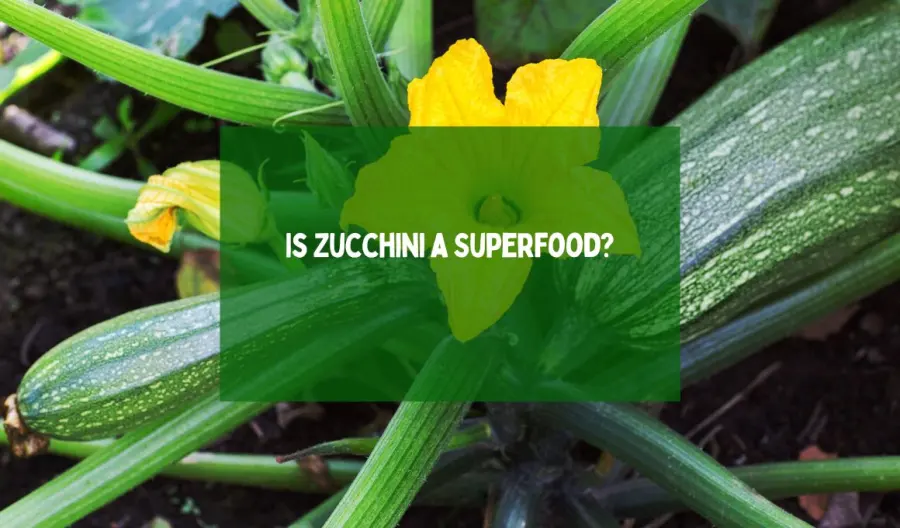
Is zucchini a superfood?
In this article, we will delve into the nutritional composition of zucchini, explore its potential health benefits, and separate fact from fiction.
Is Zucchini a Superfood?
Now, the question remains: Is zucchini a superfood? While zucchini does possess several impressive health benefits, it may not fit the exact definition of a superfood. The term "superfood" is not scientifically defined and lacks a specific criterion for inclusion.

However, zucchini undoubtedly offers a range of nutrients and health advantages that make it a valuable addition to a balanced diet.
Related Reading:
- Is Zucchini A Fruit Or A Vegetable? How It is Classified
- What is the Difference Between Zucchini and Courgette?
- Can We Grow Zucchini And Eggplant Together?
- How To Pollinate Zucchini Plants?
Nutritional Composition of Zucchini
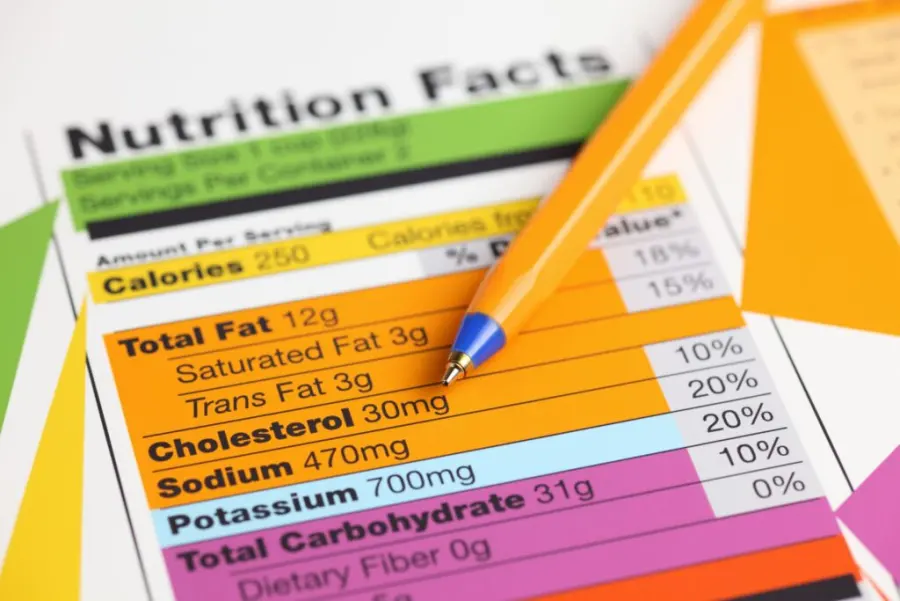
Zucchini is often praised for its low-calorie content, making it a popular choice for those aiming to maintain a healthy weight. However, its nutritional value extends far beyond its caloric content. Here is a breakdown of the key nutrients found in zucchini:
- Vitamins and Minerals: Zucchini is a rich source of vitamins, including vitamin C, vitamin A, and folate. It also provides essential minerals such as potassium, manganese, and magnesium, which play vital roles in maintaining overall health.
- Fiber: Zucchini is packed with dietary fiber, which is crucial for a healthy digestive system. Fiber aids in regulating bowel movements, preventing constipation, and promoting a feeling of fullness, which can be beneficial for weight management.
- Antioxidants: Zucchini contains various antioxidants, including carotenoids like lutein and zeaxanthin. These compounds have been linked to eye health and may help protect against age-related macular degeneration and cataracts.
- Water Content: Zucchini has a high water content, contributing to hydration and aiding in maintaining optimal bodily functions.
Related Reading:
- Understanding Deformed Carrots And How To Fix Them
- Why Eggplant Is King of Vegetables: Unveiling the Majesty of Aubergine
- How to Remove Tomato Stains: Easy Solutions for Stubborn Stains
- Why Can’t We Eat Cucumber at Night?
- A Complete Guide On Grow Pumpkin Indoors
Health Benefits of Zucchini
Let's explore the potential health benefits associated with consuming zucchini:
- Weight Management: Due to its low calorie and high fiber content, zucchini can help with weight management. It provides bulk without adding excessive calories, promoting satiety and reducing the likelihood of overeating.
- Heart Health: The potassium content in zucchini is beneficial for heart health. Potassium helps regulate blood pressure and supports proper heart function.
- Digestive Health: The fiber in zucchini aids in maintaining a healthy digestive system by promoting regular bowel movements and preventing constipation.
- Eye Health: The carotenoids present in zucchini, such as lutein and zeaxanthin, contribute to eye health and may help protect against certain eye conditions.
- Hydration: Zucchini's high water content contributes to overall hydration, which is essential for various bodily functions.
- Antioxidant Protection: Zucchini's antioxidants help fight against oxidative stress, which is associated with various chronic diseases.
Zucchini in Different Eating Patterns
Part of what makes zucchini so widely recommended is how easily it slots into very different ways of eating. In a low-carb or ketogenic diet, it's a go-to substitute for starchier vegetables and even pasta or rice, since it's naturally low in carbohydrates but still gives you volume and texture on the plate. In a Mediterranean-style diet, it's a staple alongside olive oil, tomatoes, and herbs, showing up grilled, roasted, or simmered into ratatouille-style dishes. Plant-based and vegetarian diets rely on it as a bulking vegetable that takes on the flavor of whatever it's cooked with, from curries to stir-fries. Few vegetables cross that many different eating styles without needing to be dressed up or transformed — zucchini just works in the background of almost any cuisine.
Simple Ways to Add More Zucchini to Your Week
You don't need an elaborate recipe to get more zucchini into a regular rotation. A few low-effort habits go a long way:
- Grate it into a sauce, chili, or ground meat mixture, where it disappears into the dish while adding bulk and nutrients.
- Slice it thin and add it to whatever you're already sautéing — onions, peppers, or greens — since its mild flavor won't compete with other vegetables.
- Keep a batch of roasted zucchini in the fridge to toss into salads, grain bowls, or wraps throughout the week.
- Swap it in for pasta in one meal a week using a spiralizer, even if you don't want to go fully low-carb.
How Zucchini Stacks Up Against Common Superfoods
Foods that typically earn the "superfood" label — kale, blueberries, salmon, chia seeds — tend to pack a large amount of a specific nutrient into a small serving. Zucchini doesn't concentrate nutrients quite that way. Its strength is different: it delivers a broad, balanced spread of vitamins, minerals, fiber, and water for very few calories, and it's mild enough to eat in large quantities without getting tired of it. A cup of raw kale delivers more vitamin K and vitamin A than a cup of zucchini, and blueberries pack a denser hit of antioxidants. But few "superfoods" are as easy to eat every single day, in nearly every meal, without the cost or preparation effort that comes with something like salmon or chia. Zucchini's real value is less about any one standout nutrient and more about how effortlessly it fits into a varied diet.
Getting the Most Nutrition Out of Zucchini
How you prepare zucchini changes how much of its nutritional value actually reaches your plate:
- Don't overcook it. Vitamin C and several B vitamins are heat-sensitive and water-soluble, so boiling zucchini for a long time leaches nutrients into the cooking water. A quick sauté, roast, or steam preserves more of its nutritional profile than a long simmer.
- Leave the skin on. Most of zucchini's fiber and a good share of its antioxidant pigments are concentrated in and just under the skin. Peeling it removes both.
- Roast instead of frying. Roasting concentrates flavor without adding excess oil, keeping the dish closer to zucchini's naturally low-calorie profile.
- Eat some of it raw. Since heat degrades vitamin C, working raw zucchini into salads or slaws now and then is an easy way to get the full amount.
Who Benefits Most From Eating More Zucchini
Zucchini isn't a cure-all, but it's a genuinely useful food for a few common goals. Its high water content and low calorie density make it a practical choice if you're trying to eat larger, more satisfying portions without piling on calories. Its fiber content supports regular digestion, and because it's naturally low in carbohydrates, it's a common substitute for grains and pasta in lower-carb eating patterns — spiralized zucchini noodles being the most obvious example. It's also a gentle, easy-to-digest vegetable, which is part of why it's often one of the first vegetables introduced to babies and toddlers.
It's also a practical vegetable for anyone cooking on a budget or in bulk. Zucchini is inexpensive for most of the growing season, keeps its shape well in large-batch cooking like soups and casseroles, and freezes reasonably well once grated or sliced, which makes it easy to stock up on when it's cheap and use it gradually over the following months. That combination of low cost, long cooking flexibility, and mild flavor is part of why it shows up so often in home kitchens, even among people who wouldn't necessarily reach for it as a specific "health food."
Why the "Superfood" Label Is Worth Questioning
"Superfood" is a marketing term, not a scientific or regulatory one — there's no official body that decides which foods qualify, and no nutrient threshold a food has to clear to earn the label. That doesn't mean the foods commonly called superfoods aren't nutritious; most are. But it does mean no single food, zucchini included, can substitute for an overall varied diet. The most useful way to think about whether zucchini is a superfood isn't whether it earns a marketing label, but that it's a low-cost, low-calorie, nutrient-contributing vegetable that's easy to eat in quantity — which, practically speaking, matters more than the label itself.
Frequently Asked Questions
Is zucchini good for weight loss?
It can be a helpful part of a weight-management plan. Zucchini is low in calories and high in water and fiber, which means it adds volume and a feeling of fullness to a meal without contributing many calories — useful if you're trying to eat satisfying portions while managing overall intake.
Does zucchini have protein?
Only a small amount. Like most vegetables, zucchini isn't a meaningful protein source on its own, so it works best paired with a protein source like beans, eggs, chicken, or tofu rather than relied on for protein by itself.
Is zucchini good for skin or eye health?
Zucchini contains vitamin C, which supports normal collagen production, and carotenoids like lutein and zeaxanthin, which are associated with eye health. These are genuine, general benefits, but they come from a broader healthy diet, not from zucchini in isolation.
Is yellow squash the same thing nutritionally?
Very close. Yellow summer squash and zucchini are near-identical in calorie content, water content, and general nutrient profile, since they're closely related varieties within the same species. Any minor differences in vitamin or mineral content between them are small enough that you can treat them as interchangeable from a nutrition standpoint.
How Zucchini Compares to Other Popular "Superfoods"
Since "superfood" isn't a scientific category, it's more useful to compare zucchini to other vegetables commonly given that label than to ask whether it qualifies on its own. Leafy greens like kale and spinach generally contain more vitamin K and iron than zucchini, and berries are often prized for their antioxidant variety and vitamin C content. Zucchini's strengths lie elsewhere: it's very low in calories, has a high water content, and carries a mild flavor that makes it easy to eat in larger portions than a more assertive-tasting green. In practical terms, that means zucchini is a useful way to add volume, fiber, and a range of vitamins and minerals to a meal without a strong flavor getting in the way, even if it isn't the single most nutrient-dense vegetable in any one category. A varied diet that includes zucchini alongside leafy greens, berries, and other vegetables will generally serve you better than relying on any one food to do the work.
Tips to Get the Most Nutrition From Zucchini
How you store and cook zucchini affects how much of its nutritional value actually ends up on your plate.
- Leave the skin on. The skin contains fiber and contributes to the overall nutrient content of the vegetable, so peeling it away removes some of that benefit. Just wash it thoroughly before cooking.
- Avoid prolonged boiling. Water-soluble nutrients, including vitamin C and several B vitamins, can leach out into the cooking water during extended boiling. Roasting, sautéing, grilling, or eating zucchini raw generally preserves more of these nutrients than boiling it for a long time.
- Cook it fresh. Nutrient content in produce tends to decline the longer it sits after harvest. Buying or picking zucchini and using it within a few days, rather than letting it sit in the refrigerator for weeks, helps you get more out of it.
Is Zucchini as Healthy as Kale or Spinach?
Not in an identical way. Kale and spinach tend to have higher concentrations of certain vitamins and minerals, but zucchini offers its own combination of fiber, water content, and nutrients at a very low calorie cost. Rather than ranking one above the other, it's more accurate to say each brings something different to the table, and eating a variety of vegetables covers more nutritional ground than leaning on a single one.
Does Cooking Zucchini Reduce Its Nutrients?
To some degree, yes, particularly with methods that involve a lot of water and heat, like boiling. Water-soluble vitamins are the most affected. Quicker cooking methods that use little or no water, such as roasting or sautéing, tend to preserve more of the original nutrient content.
Should You Eat the Skin of Zucchini?
Generally, yes. The skin is edible, adds fiber, and holds some of the plant's nutrients. Wash it well before eating. The one exception is if a zucchini tastes noticeably bitter or soapy, which can signal naturally occurring compounds called cucurbitacins; in that case it's best to discard the fruit rather than eat it, skin or otherwise.
How Can You Add More Zucchini to Your Diet Without Overdoing It?
Zucchini is easy to work into meals gradually rather than all at once. Try swapping it into dishes where you'd normally use a starchier vegetable, spiralizing it as a partial pasta substitute, folding grated zucchini into muffins or pancake batter, or adding sliced rounds to a sheet-pan roast alongside other vegetables. Because it's mild and low in calories, it tends to blend into existing recipes rather than requiring a complete overhaul of what you already cook, which makes it a reasonable everyday addition rather than something to eat in large amounts all at once for a health boost.