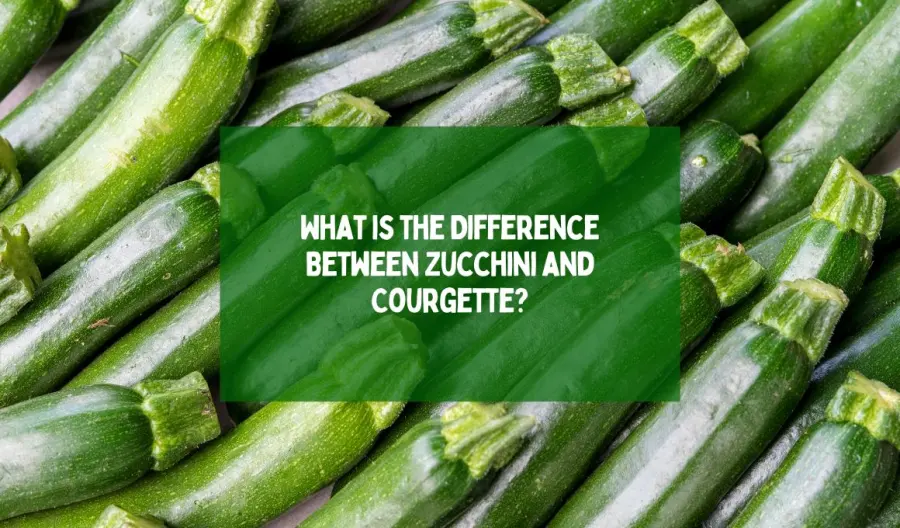
Zucchini and courgette are two terms that are sometimes used interchangeably, but they actually have some small differences. These differences mainly come from their names and how they are used in different places. Knowing these differences can help us understand what sets zucchini and courgette apart.
Are you confused about the difference between zucchini and courgette? These two terms often create a stir in the culinary world, leaving people wondering if they refer to the same vegetable or if there's a distinction between them.
In this article, we will unravel the mystery behind zucchini and courgette, exploring their origins, characteristics, and usage in various cuisines. So, let's dive in and discover the nuances that set these two apart!
Distinguishing Features Between Zucchini and Courgette
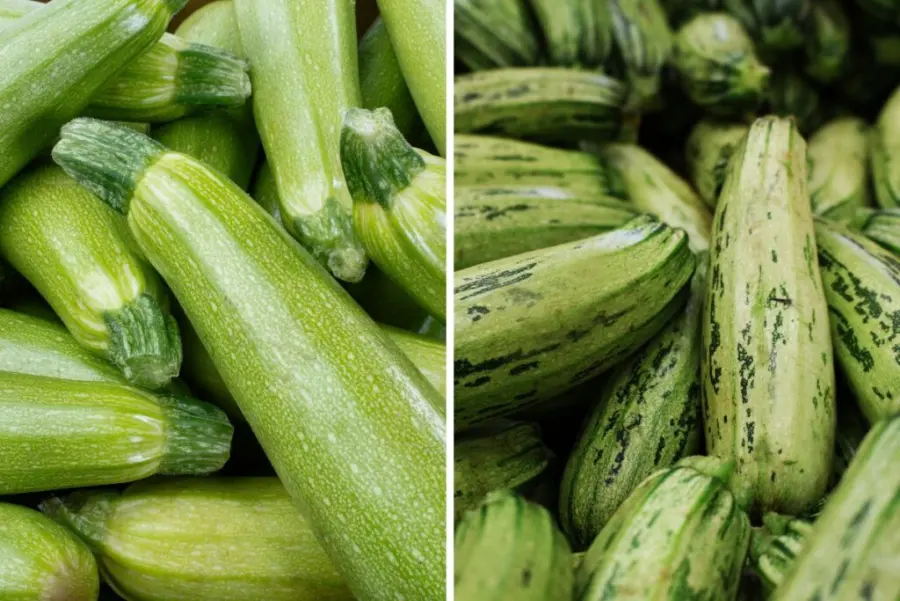
When it comes to differentiating between zucchini and courgette, there are several notable distinctions to consider:
- Cultural Origins: The term "zucchini" has its roots in Italy, deriving from the Italian word "zucchino," which translates to a small squash or immature marrow. On the other hand, "courgette" is a French term used to describe the same vegetable.
- Linguistic Usage: Zucchini is predominantly used in North American and Australian English, while courgette is more commonly employed in French, British, New Zealand, and South African English.
- Regional Preferences: Zucchini and courgette both refer to the same plant species; however, they are utilized to describe the vegetable at different stages of growth. While zucchini typically refers to the mature vegetable, courgette is used for the younger, smaller version.
- Size Discrepancy: In terms of size, courgettes are generally smaller, measuring around 14 x 4 cm in length. Conversely, zucchinis tend to grow larger, with some reaching sizes of 15-20 cm or more.
Zucchini and Courgette: A Linguistic Divide
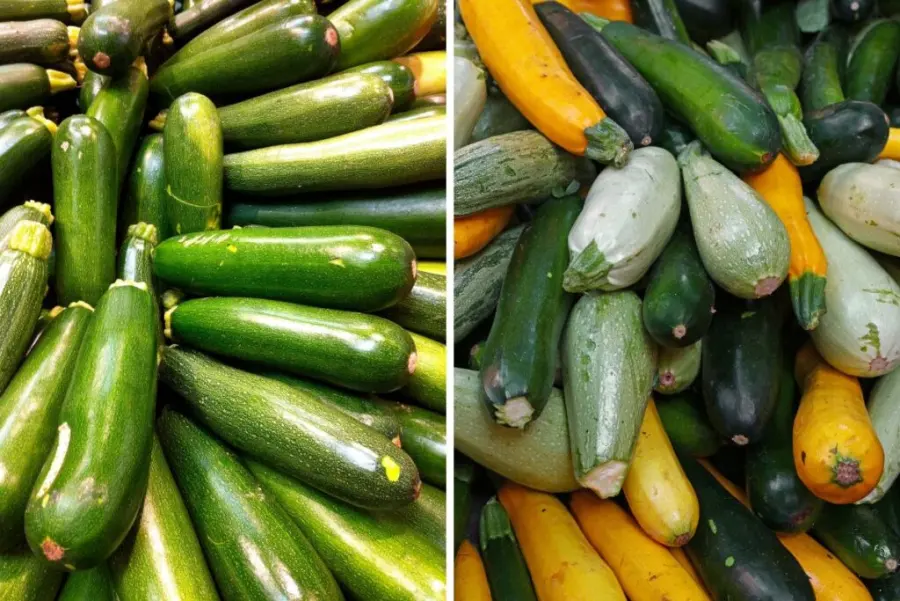
The usage of the terms "zucchini" and "courgette" differs across various English-speaking regions. In North American and Australian English, the term "zucchini" prevails, while "courgette" is commonly used in French, British, New Zealand, and South African English. This linguistic divide reflects cultural and historical influences on language usage.
Summer Squash Family
Both zucchini and courgette belong to the cucurbit vegetable family, specifically the summer squash group (Cucurbita pepo). This vegetable family includes a variety of other squashes, such as pumpkins and gourds. Zucchini and courgette share the same botanical classification and exhibit similar characteristics.
Origin of the Names
The origin of the names "zucchini" and "courgette" sheds light on their etymology. The term "zucchini" originates from the Italian word "zucchino," which translates to "a tiny squash" or "undeveloped marrow."
This name reflects the vegetable's early stage of growth when it is still small and tender. In contrast, "courgette" is of French origin and can be considered the French equivalent of the word "zucchini."
The Color Spectrum
Zucchini and courgette exhibit a range of colors within their family. While the most common varieties are green, they can also appear in vibrant shades of yellow. The color difference primarily results from the cultivar and ripeness of the vegetable.
Both green and yellow varieties of zucchini and courgette are equally delicious and versatile in cooking.
Related Reading:
- Can You Eat Deformed Zucchini?
- A Complete Growing Guide for Zucchini Plant Care
- Best Zucchini Varieties To Grow In Containers
- 5 Reasons Why Zucchini Blossoms Fall Off: A Comprehensive Guide
Usage at Different Stages of Zucchini and Courgette Growth
Although zucchini and courgette refer to the same plant, their usage varies depending on the vegetable's stage of growth. When the vegetable is still small, typically around 14 by 4 centimeters in length, it is commonly referred to as a courgette. This early stage of the vegetable is often cooked and served as a vegetable in various culinary dishes.
As the vegetable grows larger, reaching approximately 15-20 centimeters, it is more commonly called a zucchini. Zucchini is versatile and can be cooked in numerous ways or even consumed raw. Its larger size allows for different culinary preparations and applications.
Moreover, when the plant reaches maturity and attains its maximum size, it is sometimes referred to as a marrow. This designation indicates the plant's full development and signals that it is now suitable for specific culinary uses.
Zucchini and Courgette: Culinary Applications
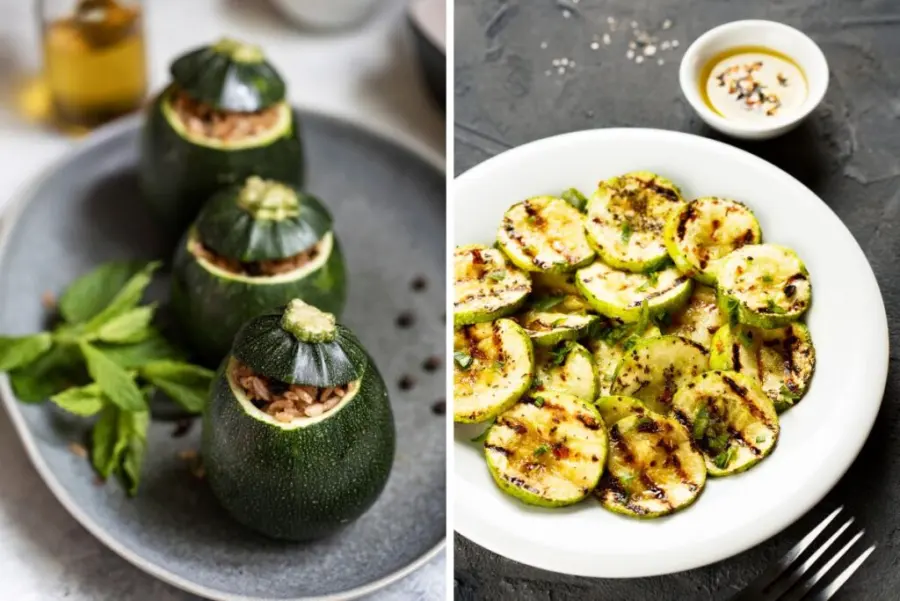
Zucchini and courgette are incredibly versatile vegetables that lend themselves to a wide range of culinary applications. Here are some notable ways in which these vegetables are utilized in the kitchen:
Sautéed and Stir-Fried Delights:
Zucchini and courgette can be sliced or diced and quickly sautéed or stir-fried with an assortment of vegetables, herbs, and spices. They add a fresh and vibrant element to stir-fries and can be paired with meats, tofu, or other plant-based proteins for a wholesome meal.
Pro tip: Add a dash of soy sauce, garlic, and ginger for an Asian-inspired twist or toss them with Mediterranean herbs like thyme, oregano, and rosemary for a fragrant and savory dish.
Grilled and Roasted Goodness:
These vegetables take on a delightful smoky flavor when grilled or roasted. Cut them into thick slices, brush them with olive oil, and place them on a preheated grill or in a hot oven until they develop charred marks and turn tender. Grilled zucchini and courgette make fantastic additions to salads, sandwiches, and antipasto platters.
Pro tip: Sprinkle them with a pinch of salt, black pepper, and a squeeze of lemon juice before grilling or roasting for a burst of tangy flavor.
Soups, Stews, and Casseroles:
Zucchini and courgette lend themselves well to hearty soups, stews, and casseroles. Their mild flavor and soft texture make them excellent additions to these comforting dishes. They absorb flavors from the broth or sauce, providing a delicious and nutritious element to the overall dish.
Pro tip: Add zucchini or courgette towards the end of the cooking process to maintain their texture and prevent them from becoming overly mushy.
Salads and Raw Preparations:
Zucchini and courgette can be enjoyed raw, adding a refreshing and crisp element to salads. They can be thinly sliced, julienned, or shaved into ribbons using a vegetable peeler. Incorporate them into mixed green salads, pasta salads, or grain bowls for an extra dose of freshness.
Pro tip: Combine zucchini or courgette with other raw vegetables like cucumbers, tomatoes, and bell peppers for a colorful and crunchy salad medley.
These are just a few examples of the culinary applications of zucchini and courgette. With their mild flavor, tender texture, and ability to adapt to various cooking methods, these vegetables are truly versatile ingredients that inspire culinary creativity in the kitchen.
Related Reading:
- Baked or Dehydrated Cucumber Chips – A Simple Low Carb Recipe
- Grandma’s Secret Recipe: How to Make the Best Armenian Cucumber Pickle?
- How to Peel a Tomato: Why Should You Peel Tomatoes?
- Nourishing And Comforting: Chunky Mediterranean Tomato Soup Recipe
How Harvest Timing Shapes Zucchini and Courgette
The biggest practical difference for anyone growing this plant isn't the name — it's when you pick it. French cooks who use the word courgette traditionally harvest the fruit at 4 to 6 inches long, often still carrying the flower attached. At that stage the skin is thin, the seeds haven't developed, and the flesh is tender enough to eat raw. Leave the same fruit on the vine for another week and it swells into what most North American gardeners would call a zucchini: firmer skin, visible seeds, and a texture better suited to cooking than to shaving into a salad.
If you're growing your own plants, this means you can get both experiences from a single vine. Pick some fruit small and tender for courgette-style dishes, and let a few mature further down the row for zucchini bread, grilling, or stuffing. Just don't let any of them go too far — a squash left unpicked for two or three weeks will turn into an oversized, seedy marrow that's tough and better suited to soups than a dinner plate.
Varieties Bred for Each Style
Seed catalogs sometimes separate "courgette" varieties from "zucchini" varieties, even though the plants are genetically the same species. Round varieties like Ronde de Nice and pale-skinned types such as Bianca di Trieste are marketed heavily in Europe and are typically picked young, in the courgette tradition. Classic dark-green cultivars like Black Beauty or Costata Romanesco are the types most commonly grown in American gardens and left to size up into a more familiar zucchini shape. Either type can be picked at either stage — the variety name is more about culinary tradition than a hard rule.
Frequently Asked Questions
Do zucchini and courgette taste different?
Not because of the name, but because of size and maturity. Small, young courgette-stage fruit has a milder, slightly sweeter flavor and almost no seed crunch. A larger zucchini has a more pronounced squash flavor and a softer, seedier center, which is why recipes calling for shredded or grated zucchini usually specify removing the excess moisture and seeds first.
Can you use courgette recipes with zucchini, or vice versa?
Yes. Since Zucchini and Courgette are the same plant at different points in its life, any recipe works with either — you'll just need to adjust cook time and moisture. Larger zucchini releases more water when cooked, so dishes like courgette fritters may need extra draining or a longer time in the pan if you're using a bigger squash.
Which should you grow if you only have room for one plant?
Grow whichever variety appeals to you and simply vary your harvest schedule. One healthy plant can supply you with baby courgette-size fruit early in the season and let a few grow to full zucchini size later — you don't need to plant two different varieties to get both.
Is one more nutritious than the other?
Not meaningfully. Since courgette is simply zucchini picked earlier, the difference in nutrition comes down to size rather than variety. Smaller, younger fruit has a slightly higher ratio of skin to flesh, which is where a good share of the antioxidants and fiber are concentrated, but the gap is small enough that it shouldn't factor into which one you choose to grow or buy.
Culinary Differences Shaped by Harvest Timing
Beyond vocabulary, the zucchini/courgette split shows up most clearly in how each is used in the kitchen, and that comes down to when the fruit is picked. In French and British cooking, courgettes are traditionally harvested young, often at 4 to 6 inches long, when the skin is thin, the seeds are barely formed, and the flesh is dense rather than watery. At that stage they're commonly sliced thin and eaten raw in salads, layered into ratatouille, or used whole. The courgette flower itself is also a feature of French cooking, dipped in light batter and fried as fleurs de courgette.
In North American cooking, zucchini is more often allowed to grow larger before picking, sometimes 8 inches or more, which makes it better suited to recipes that call for grating, spiralizing, or hollowing out for stuffing — think zucchini bread, fritters, or boats packed with rice and cheese. The vegetable itself hasn't changed between the two approaches; the seeds are simply more developed and the flesh holds slightly more water in a larger, older fruit, which is why recipes lean toward different preparations depending on size.
A Brief History of the Summer Squash's Journey
Cucurbita pepo, the species behind both zucchini and courgette, was domesticated in the Americas thousands of years ago, long before Europeans ever saw it. After the Columbian Exchange brought squash seeds back across the Atlantic, Italian growers spent generations selecting for the smaller, glossier, more tender fruit we now recognize as zucchini, a breeding effort centered in northern Italy in the 19th century. From there the vegetable moved into French cuisine, where it picked up the name courgette, and later crossed into English-speaking countries through Italian immigrant communities, particularly in the United States, which is largely why American English settled on the Italian-derived term rather than the French one.
Is a Courgette Just a Baby Zucchini?
Not exactly. While courgettes are typically picked younger and smaller, the difference is mostly a matter of regional naming and cooking tradition rather than a strict age cutoff. A large courgette left on the vine becomes the same thing as an overgrown zucchini — it's still the same plant and species either way.
Can You Use Zucchini and Courgette Recipes Interchangeably?
Yes. Since they're the same vegetable, any recipe written for one works for the other. The only adjustment you may need to make is cook time: if you're substituting a larger zucchini for a recipe written around small courgettes, expect a bit more moisture and you may want to scoop out any large, developed seeds before cooking.
Do Zucchini and Courgette Taste Different?
Not because of the name — they're the same species, so any flavor difference comes down to size and harvest timing rather than which term is used. A smaller fruit picked young, the way courgettes traditionally are, tends to have a more delicate flavor and firmer texture, since the seeds haven't fully developed and the flesh hasn't taken on extra water yet. A larger, more mature zucchini has a slightly milder, wetter flesh and more noticeable seeds, which is why it's often grated, stuffed, or baked into bread rather than eaten raw. Grow the same variety and pick it at two different sizes, and you'll notice the difference is about maturity, not about which name is on the seed packet.