
Yes! Growing zucchini and eggplant together using companion planting techniques is a smart and beneficial gardening approach. Companion planting involves strategically pairing plants that can mutually benefit each other by enhancing growth, repelling pests, and improving overall yield.
Zucchini and eggplant make excellent companions, as they have similar growing requirements and complementary characteristics. Zucchini acts as a beneficial shade provider for eggplants, shielding them from intense sunlight. Eggplants provide a natural deterrent to pests that commonly affect zucchini.
By combining these two versatile vegetables through companion planting, gardeners can optimize their space while creating a harmonious and thriving garden ecosystem.
In this article, I will tell you about the companion planting method of growing zucchini and eggplant together.
Let's start.
What Is Companion Planting?
Companion planting is a gardening technique that involves strategically growing different plants together for mutual benefits. It is based on the concept that certain plants can enhance each other's growth, deter pests, improve soil health, and increase overall productivity.
Companion plants can provide shade, attract beneficial insects, repel pests, or act as natural supports. For example, planting marigolds with tomatoes can help repel pests, while growing zucchini near eggplants can provide shade for the eggplants.
Companion planting promotes biodiversity, maximizes space utilization, and reduces the need for chemical pesticides. It is an eco-friendly and sustainable approach that has been practiced for centuries to create thriving and harmonious garden ecosystems.
Can Zucchini And Eggplant Grow Together?
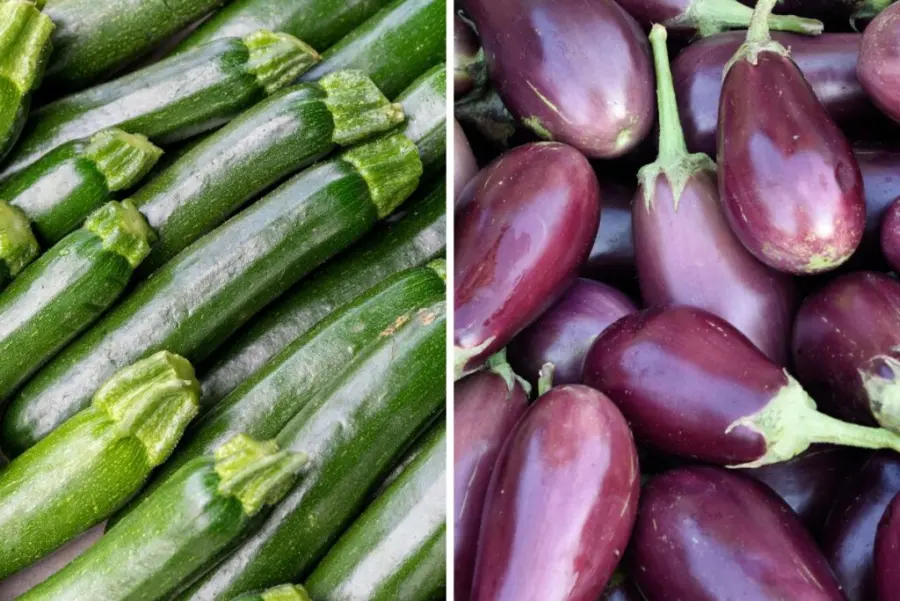
Yes, zucchini and eggplant can be grown together in the same garden or planting area. They are both warm-season vegetables that have similar growing requirements, making them compatible companions.
Both zucchini and eggplant thrive in full sun and well-drained soil. By planting them together, you can maximize the use of space and create an excellent vegetable garden.
It's important to consider the spacing requirements of each plant to ensure adequate air circulation and prevent overcrowding.
Best Guides For Growing Zucchini And Eggplant Together
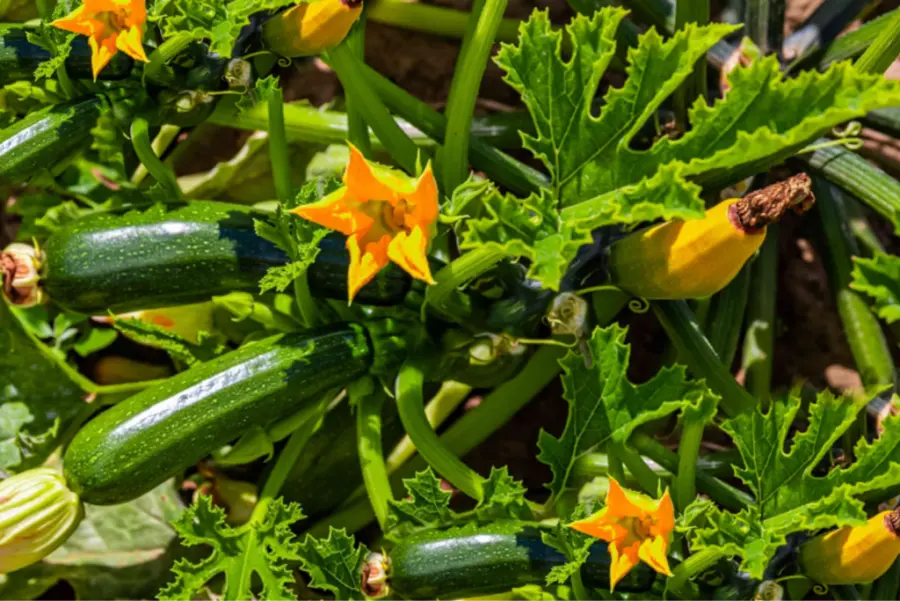
When growing zucchini and eggplant together, it's essential to provide optimal growing conditions and follow certain guidelines for a successful harvest.
The steps are given below:
1. Sunlight and Soil Requirements
Choose a planting location that receives full sunlight for at least 6 to 8 hours a day. The soil should be well-drained, rich in organic matter, and have a slightly acidic to neutral pH.
2. Spacing
Allow sufficient spacing between the zucchini and eggplant plants to prevent overcrowding. Zucchini plants typically require around 3 to 4 feet of space between each plant, while eggplant plants need about 2 to 3 feet.
3. Planting
Start by preparing the soil by incorporating compost or well-rotted manure. Plant the zucchini and eggplant seedlings or seeds according to the recommended planting depth, which is typically around 1 inch deep.
4. Watering
Provide consistent and deep watering for both plants. Aim to keep the soil evenly moist but not waterlogged to prevent issues like root rot. Mulching around the plants can help retain moisture and suppress weed growth.
5. Fertilization
Apply balanced organic fertilizer or compost at the time of planting, and consider side-dressing with additional compost or organic fertilizer during the growing season to promote healthy growth.
6. Support for Eggplants
Depending on the variety and size, some eggplants may benefit from staking or caging for support. Install stakes or cages early in the growing process to avoid damaging the plant's roots.
7. Pest and Disease Management
Regularly inspect the plants for signs of pests like aphids, flea beetles, or squash bugs. Consider using organic pest control methods like companion planting with insect-repelling herbs or introducing beneficial insects.
8. Harvesting
Both zucchini and eggplant have different harvesting techniques. Zucchini is typically harvested when the fruit is young and tender, usually around 6 to 8 inches in length.
Eggplants are harvested when the fruits reach a desirable size and have a glossy appearance. Cut or twist the fruit off the plant, being careful not to damage the stems.
Tips For Successful Harvest
To ensure a successful harvest of zucchini and eggplant.
Here are some valuable tips to follow:
- Proper Timing: Harvest zucchini when they are young and tender, typically when they reach 6 to 8 inches in length. For eggplants, harvest when the fruits have reached their mature size and have a glossy appearance.
- Regular Inspection: Regularly inspect your plants for ripe fruits. Harvesting zucchini and eggplant promptly ensures the best flavor and prevents them from becoming overripe or overly mature.
- Use Pruning Shears: When harvesting zucchini, use sharp pruning shears or a knife to cut the fruit from the plant, making a clean cut near the stem. Avoid pulling or twisting the fruit, as it can damage the plant.
- Gentle Handling: Handle harvested zucchini and eggplant with care to prevent damage. Place them in a basket or container that allows for proper airflow.
- Harvest Frequently: Harvest zucchini and eggplant frequently to encourage continued production. Regular harvesting prevents the fruits from becoming too large or overripe, promoting the growth of new fruits.
- Don't Delay Harvest: Avoid overripe or oversized fruits on the plant, as they can increase the production of new fruits and reduce overall plant productivity.
- Store Properly: Store harvested zucchini and eggplant in a cool, dry place. They can be stored in the refrigerator for a few days.
By following these tips, you can ensure a successful harvest of zucchini and eggplant and enjoy the fruits of your labor at their peak of flavor and quality.
Conclusion
Growing zucchini and eggplant together using companion planting techniques is a rewarding and beneficial approach for any vegetable garden. These two vegetables make excellent companions as they have similar growing requirements and can enhance each other's growth and productivity.
Zucchini provides shade and protection for eggplants, while eggplants help repel pests that commonly affect zucchini. This symbiotic relationship created through companion planting leads to healthier plants, reduced pest issues, and increased overall yield.
Thanks for reading!
Spacing Zucchini and Eggplant Properly
Getting the spacing right is the first step when you grow zucchini and eggplant together in the same bed. Give each zucchini plant about three to four feet of space in every direction, since the vines and broad leaves spread out quickly and will shade or crowd out anything planted too close. Eggplant needs less room, typically 18 to 24 inches between plants, and grows more upright, which is exactly why it pairs well physically with sprawling zucchini rather than competing directly for the same space.
A practical layout is to plant eggplant on the sunnier side of the bed and let the zucchini's broad leaves arch toward it later in the season, providing afternoon shade during the hottest stretch of summer without blocking morning sun the eggplant needs early in the day.
Watering and Feeding Needs
Both zucchini and eggplant prefer consistent, deep watering rather than frequent light sprinkling, which makes them easy to manage together in the same bed or drip irrigation zone. Aim for about 1 to 1.5 inches of water per week for both, adjusting upward during heat waves.
Where they differ slightly is in feeding. Zucchini is a heavier feeder and benefits from a nitrogen-rich feeding early on followed by a switch to a more balanced or phosphorus-heavy fertilizer once flowering starts. Eggplant prefers steady, moderate feeding throughout the season rather than a big nitrogen boost, since too much nitrogen encourages leafy eggplant growth at the expense of fruit. A balanced all-purpose vegetable fertilizer applied every three to four weeks works well for a shared bed.
Shared Pests and What to Watch For
Growing zucchini and eggplant together does mean watching for a slightly wider range of pests, since flea beetles are drawn to eggplant while squash bugs and cucumber beetles target zucchini. The good news is that neither plant tends to attract the other's main pest, and having more plant diversity in a small area can actually make it harder for any single pest to build up a large population.
- Flea beetles chew small, round holes in eggplant leaves, especially on young transplants. Row covers over new transplants help protect them until the plants are established.
- Squash bugs and cucumber beetles target zucchini specifically and rarely bother eggplant, so check zucchini leaves and stems separately from eggplant foliage.
- Aphids can show up on both and are best controlled early with a strong spray of water or insecticidal soap before populations build up.
Crop Rotation Considerations
Since zucchini and eggplant belong to different plant families (zucchini is a cucurbit, eggplant is a nightshade like tomatoes and peppers), growing them together doesn't create the same disease buildup risk you'd get from planting two nightshades side by side year after year. That said, when planning next year's garden, rotate each crop to a different bed to avoid letting soil-borne diseases specific to either family build up over time.
Do zucchini and eggplant compete for nutrients when planted together?
Some competition is inevitable with any two plants sharing a bed, but it's manageable as long as you space them properly and feed the soil adequately. Working a generous amount of compost into the bed before planting and side-dressing with fertilizer through the season gives both crops enough to grow well without one crowding out the other's nutrient supply.
Potential Drawbacks to Consider
Companion planting zucchini and eggplant is not without trade-offs, and it helps to know them before committing a whole bed to the pairing.
- Shared pests: flea beetles and aphids feed happily on both crops, so an outbreak on one can quickly spread to the other instead of staying contained to a single plant type.
- Shared soil-borne diseases: verticillium wilt affects both zucchini and eggplant, meaning planting them together in the same bed year after year raises the risk of the pathogen building up in the soil rather than lowering it.
- Competition for nutrients: both are heavy feeders, so pairing them in average garden soil without added compost or fertilizer can leave both plants undersized compared to growing either one alone with the same amount of feeding.
None of this rules out the pairing, it just means crop rotation and soil health matter more than usual when you are doubling up on two heavy-feeding, pest-prone plants in the same space.
Other Companion Plants Worth Adding to the Mix
- Marigolds: planted around the border, they help repel nematodes and some flying pests from both zucchini and eggplant.
- Basil: tucked between plants, basil is thought to improve flavor and can help confuse pests looking for eggplant and zucchini by scent.
- Bush beans: they fix nitrogen in the soil, offsetting some of the heavy feeding zucchini and eggplant do, though they should be kept far enough away not to shade out either crop.
- Nasturtiums: a trap crop for aphids, drawing them away from eggplant and zucchini foliage.
Growing Zucchini And Eggplant Together in Containers
Space is the limiting factor in containers, and both plants need real room for their root systems. A single zucchini plant needs at least a 15 to 20 gallon container on its own, and eggplant needs something similar, so pairing them in one pot rarely works well. Instead, use separate large containers placed close together. You will still get the benefit of eggplant confusing pests looking for zucchini and vice versa, without the root competition that comes from cramming both into a single pot. Make sure each container has strong drainage, since both plants are prone to root rot in waterlogged soil.
Frequently Asked Questions
How far apart should zucchini and eggplant be planted to still get companion benefits?
Somewhere between 18 and 24 inches apart works well, close enough that the pest-confusing and shading benefits still apply, but far enough that each plant gets adequate airflow and is not shaded out entirely by the other's canopy as both mature.
Can I grow zucchini and eggplant together in the same raised bed every year?
It is better not to. Because they share several pests and diseases, rotating this pairing to a different bed every one to two years, and following with an unrelated crop like beans or lettuce, keeps soil-borne problems from building up.
Should You Plant Them at the Same Time?
Eggplant is slower to get going than zucchini, typically needing 8 to 10 weeks from seed to a transplant-ready size, compared to 3 to 4 weeks for zucchini. Start eggplant seeds indoors well ahead of your last frost date, then start zucchini seeds indoors or direct-sow them 4 to 6 weeks later so both plants reach a similar stage of growth by the time they are growing side by side. Setting a small eggplant transplant next to an already vigorous zucchini plant often means the zucchini shades it out before it has a real chance to establish.