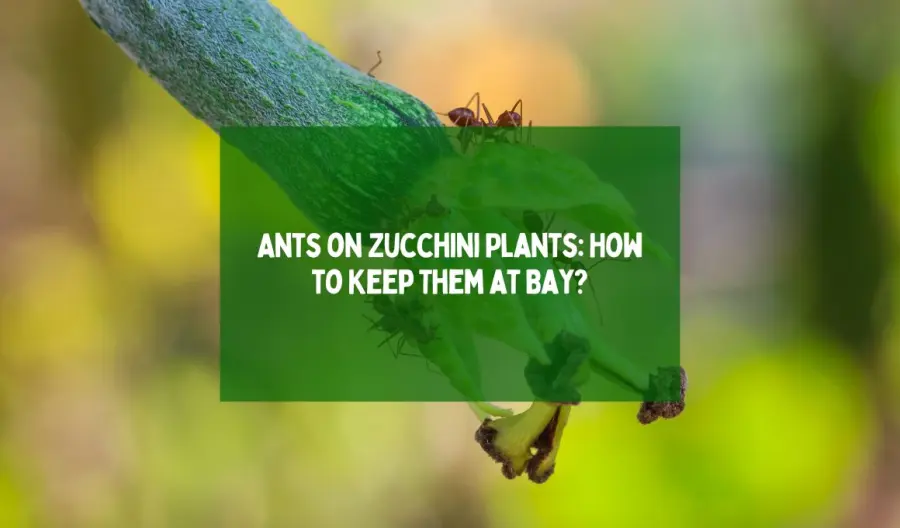
Ants are fascinating creatures, but they can be a major pest when they start invading your zucchini plants. Not only do they cause damage to the plants, but they can also attract other pests and insects that can further harm your crops.
But fret not, with a few simple steps, you can learn how to deal with ants on zucchini plants and protect your garden from their pesky ways.
In this article, we will share with you some tips and tricks to keep ants away from your zucchini plants, from natural remedies to chemical solutions.
So, let's dive in!
Understanding Ants on Zucchini Plants and Their Attraction
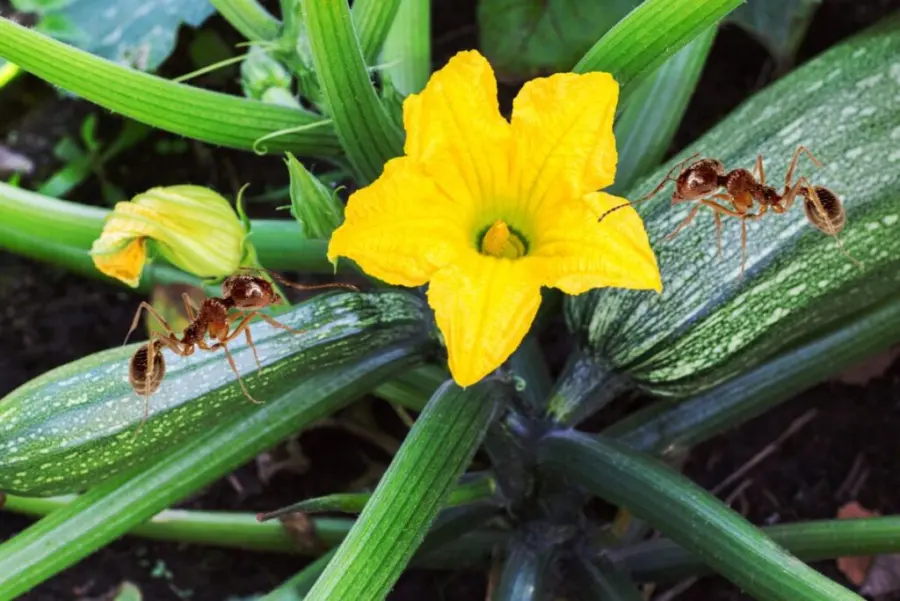
Before we dive into how to deal with ants on zucchini plants, it's important to understand why they are attracted to them in the first place. Ants are attracted to zucchini plants for various reasons, including:
- Zucchini plants produce sweet nectar that ants find appealing.
- Zucchini plants are also prone to attracting aphids, which secrete a sugary substance that ants love.
- Ants are also attracted to the soft soil around zucchini plants, which makes it easy for them to burrow and create colonies.
Related Reading:
- 7 Reasons Why is my Zucchini Plant Not Producing Fruit?
- 10 Zucchini Growing Tips for Growing Healthy and Productive Plants
- 7 Reasons Why is my Zucchini Plant Not Producing Fruit?
How to Deal with Ants on Zucchini Plants?
There are several ways to deal with ants on zucchini plants, from natural remedies to chemical solutions.
Let's take a look at some of the most effective methods:
Diatomaceous Earth
Diatomaceous earth is a natural and effective way to deal with ants on zucchini plants. It is a fine powder made from the fossilized remains of diatoms and can be purchased at most garden centers.
Simply sprinkle the powder around the base of the zucchini plants, and the diatomaceous earth will dehydrate the ants and kill them.
Vinegar
Vinegar is a natural deterrent for ants and can be used to keep them away from your zucchini plants. Mix equal parts of water and vinegar in a spray bottle and spray the solution around the base of the plants. The strong scent of vinegar will keep ants at bay.
Cinnamon
Cinnamon is another natural deterrent for ants and can be sprinkled around the base of the zucchini plants. The strong scent of cinnamon will keep ants away from the plants.
Mint
Mint is a natural insect repellent and can be used to keep ants away from your zucchini plants. Simply plant mint around the base of the plants, or crush fresh mint leaves and sprinkle them around the plants.
Soap Solution
A soap solution can be an effective way to deal with ants on zucchini plants. Mix a few drops of dish soap with water and spray the solution around the base of the plants. The soap will stick to the ants' bodies and suffocate them.
Insecticidal Soap
Insecticidal soap is a chemical solution that can be used to deal with ants on zucchini plants. It is a safe and effective way to kill ants without harming plants. Simply spray the solution around the base of the plants, following the instructions on the label.
Conclusion
Dealing with ants on zucchini plants can be a frustrating experience, but it's important to remember that there are several natural and chemical solutions available.
From diatomaceous earth to vinegar and insecticidal soap, there are several effective ways to keep ants away from your zucchini plants and protect your garden from their pesky ways.
Remember to monitor your plants regularly and take action at the first signs of an infestation. With a little bit of effort and some simple solutions, you can keep ants at bay and enjoy a healthy and thriving zucchini garden.
Related Reading:
- Diseases of Pumpkin Plants: Identification, Treatment, and Prevention Strategies
- 10 Tomato Seedling Problems and How to Protect Them?
- 18 Common Aubergine Growing Problems and Their Solutions
- Cucumbers Not Straight: Reasons Why Are Your Cucumbers Curling?
FAQs
Are ants harmful to zucchini plants?
Ants are not harmful to zucchini plants on their own, but they can attract other pests and insects that can harm the plants.
Can ants be beneficial for zucchini plants?
Yes, ants can be beneficial for zucchini plants by helping to control other pests and aerating the soil around the plants. However, when their population grows too large, they can become a nuisance.
Can I use chemical pesticides to deal with ants on zucchini plants?
Yes, chemical pesticides can be used to deal with ants on zucchini plants. However, it's important to use them in moderation and follow the instructions on the label to avoid harming plants or other beneficial insects.
The Real Culprit: Aphids, Not the Ants Themselves
In most gardens, ants on zucchini plants are a symptom rather than the actual problem. Ants don't damage zucchini leaves or fruit directly - what they're really after is the sweet honeydew excreted by aphids, and they'll go so far as to protect aphid colonies from predators like ladybugs in order to keep that food source alive. If you're seeing trails of ants running up and down your zucchini stems, check the undersides of the leaves and the new growth at the tips of the vines for clusters of small, soft-bodied aphids. Dealing with the aphid problem is usually the fastest way to make the ants lose interest and move on.
A strong blast of water from the hose knocks aphids off the plant and disrupts the ants' food supply at the same time. Insecticidal soap sprayed directly on aphid clusters works well too, and it's gentle enough not to harm the zucchini plant when used as directed. Encouraging ladybugs and lacewings into the garden - by planting dill, fennel, or yarrow nearby - gives you an ongoing biological check on aphid populations so the ants have less reason to show up in the first place.
Ant Bait Stations
For persistent ant colonies near the base of your zucchini plants, bait stations are often more effective than surface treatments like vinegar or cinnamon, which only repel ants temporarily without addressing the colony itself. Bait works by letting worker ants carry poisoned food back to the nest, where it's shared with the queen and larvae, gradually collapsing the whole colony. Place bait stations near visible ant trails but away from the base of the plant itself, and be patient - it can take one to two weeks to see a real reduction in activity, since the bait needs time to work through the colony.
Boiling Water and Mound Disruption
If you can locate an ant nest near your garden bed, pouring boiling water directly into the mound is a chemical-free way to kill a large portion of the colony on contact. This works best in the early morning or evening when ants are more concentrated in the nest. Keep in mind this method can also damage nearby plant roots if the nest sits close to your zucchini, so it's better suited to mounds a few feet away from the growing area rather than ones directly under the plant.
Coffee Grounds and Other Natural Deterrents
Used coffee grounds scattered around the base of zucchini plants are a mild ant deterrent and double as a slow-release source of nitrogen for the soil as they break down. Citrus peels, left to dry and then scattered or buried shallowly near ant trails, work on a similar principle - most ants avoid the compounds found in citrus rind. None of these methods are as fast-acting as bait stations, but they're safe to use repeatedly around edible plants without any waiting period before harvest.
When Ants Aren't Actually a Problem
It's worth saying plainly: a few ants wandering around zucchini plants aren't cause for alarm. Ants aerate the soil as they tunnel, and some species even help control other pest insect eggs. The point where ant activity on your plants becomes worth addressing is when you notice a heavy, established trail associated with a visible aphid infestation, or when ant mounds are physically disturbing the root zone of your plants. Treating every single ant you see is unnecessary and can end up disrupting other beneficial insects in the garden along with them.
Mistakes to Avoid When Treating Ant Problems
- Killing ants without addressing aphids: If aphids are still present, a new ant colony will often move in within weeks to take advantage of the same food source.
- Using broad-spectrum insecticides: Sprays that kill ants indiscriminately also wipe out ladybugs, lacewings, and other predators that would otherwise keep aphid populations in check naturally - often making the underlying problem worse over time.
- Disturbing the nest without finishing the job: Partially destroying an ant mound can cause the colony to relocate closer to your plants rather than leaving the area entirely.
Are Garden Ants Actually Harmful to Zucchini Fruit?
Ants themselves rarely damage zucchini fruit directly. The bigger risk comes from what they bring with them - protected aphid colonies that stunt new growth and, in bad infestations, sooty mold that grows on the honeydew aphids leave behind. If you notice a black, sooty coating on leaves alongside ant activity, that's a sign the aphid population has gotten large enough to need direct treatment.
Do Coffee Grounds Really Keep Ants Away From Zucchini?
They help, but don't expect them to eliminate an established colony on their own. Coffee grounds work best as one part of a broader approach - combined with aphid control and, if needed, bait stations for persistent trails - rather than as a standalone fix.
Ants Usually Mean You Have an Aphid Problem
Ants crawling on your zucchini plants are rarely the actual problem; they're usually a symptom of one. Ants farm aphids for the sweet honeydew the aphids excrete, and in exchange, ants protect aphid colonies from predators like ladybugs and lacewings that would otherwise keep aphid numbers in check. If you see a steady trail of ants moving up and down the stems, check the undersides of the leaves and the new growth at the tips of the vine for clusters of small, soft-bodied aphids.
Treating the ants alone without addressing the aphids means the ants will keep coming back. A strong spray of water knocks aphids off the plant, and insecticidal soap or neem oil applied directly to aphid colonies breaks the cycle that's attracting the ants in the first place. Once the aphids are gone, most ant activity on the plant disappears on its own within a week or two.
Ant Bait Stations for Longer-Term Control
Surface treatments like vinegar or cinnamon only repel the ants you can see; they don't reach the colony itself. For longer-lasting control, a borax-based bait, mixed with sugar water or peanut butter and placed in a shallow container away from where children or pets can reach it, works because foraging ants carry the bait back to the nest, where it's shared with the queen and the rest of the colony. This is slower than a direct spray, usually taking one to two weeks to show a real reduction in ant numbers, but it deals with the source of the problem rather than just the ants that happen to be on your plant that day.
Avoid broad-spectrum insecticides directly on flowering zucchini plants if you can help it, since these also kill the bees and other pollinators your zucchini depends on to set fruit.
Do ants actually damage zucchini plants directly?
Rarely. Ants themselves don't chew through zucchini leaves or stems the way beetles or caterpillars do. The damage you're seeing is almost always caused by the aphids the ants are protecting, or by other pests that arrived separately. The ants are more of a warning sign than a direct threat.
Are there ant species that do damage garden plants?
A few, though they're less common in home vegetable gardens. Some ant species will tunnel around root systems, which can dry out the soil near young roots and stress the plant, and fire ants can be aggressive enough to interfere with hand-pollinating or harvesting. For the vast majority of home gardeners, though, the ants seen on zucchini plants are just tending aphids, not attacking the plant itself.
When are ants most active on zucchini plants?
Ant activity typically peaks during the hottest, driest stretches of summer, which is also when aphid populations tend to explode. Cooler, wetter weather naturally slows both ant foraging and aphid reproduction, so you may notice the problem easing up on its own after a stretch of rain even without treating it directly. That said, don't wait on the weather to solve the problem for you. By the time aphid numbers drop naturally, they may have already spread sooty mold or transmitted a virus between plants, so it's worth treating an active infestation as soon as you spot the ants rather than hoping it resolves itself.