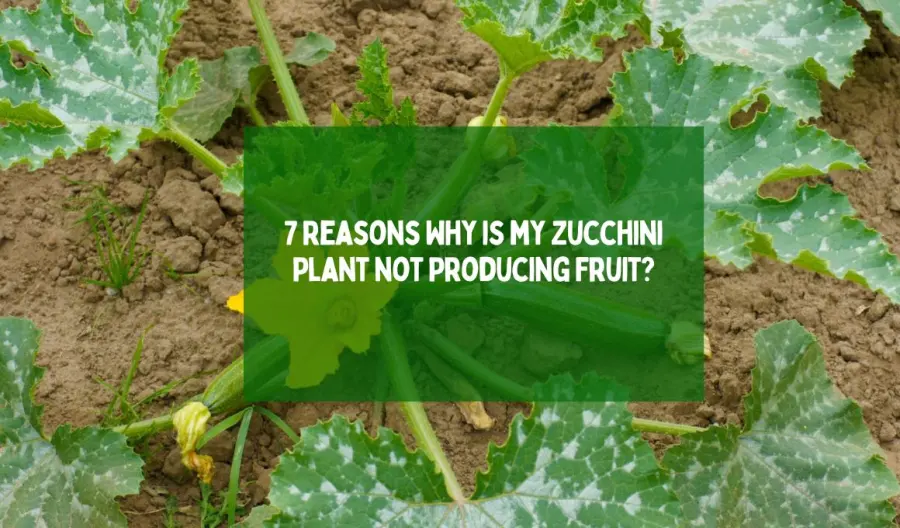
The most common veggies cultivated in backyard yards around the globe are zucchini plants. They are a mainstay in many summer landscapes because they are simple to cultivate and yield copious quantities of fruit and become a cause of the zucchini plant not producing fruit.
The most seasoned farmers can experience problems with their zucchini plants failing to bear produce. In this article, we'll look at a few potential causes for your zucchini plant not producing fruit and possible fruitlessness as well as some solutions.
Some Reasons why is my zucchini plant not producing fruit
Although they are a common addition to many household yards, zucchini plants can occasionally be a bit temperamental. An issue that plagues farmers frequently is a zucchini plant that is blooming but not bearing produce.
Seeing those lovely golden blossoms but never having any zucchinis to gather can be disappointing. Why then does your zucchini vine not have fruit? Let's get started by looking at some of the most typical causes.
Not enough pollination
Lack of fertilization is among the most frequent causes of the zucchini plant not producing fruit. Bees are one of the insects that zucchini plants depend on to move pollen from the male blossoms to the female flowers.
Your zucchini plant might not bear fruit if there aren't enough insects in your yard. If it's too sweltering or humid outside for fertilization to take place.
Consider growing blooms that draw insects near your zucchini plants. Or manually fertilizing the blossoms yourself to promote fertilization.
Plant blooms that draw pollinators, such as marigolds or sunflowers, into your yard to entice bees and other insects. If there aren't many insects in your region. You can manually fertilize your zucchini plant by moving the pollen from the male blossoms to the female flowers with a tiny swab or Q-tip.
Inadequate soil conditions
Poor soil conditions are another frequent cause of zucchini trees failing to generate fruit. Plants that produce zucchini need nutrient-rich, well-draining soil that is high in nitrogen, phosphate, and potassium.
Your zucchini plant not producing fruit if your dirt is too barren or too packed. Before you put your zucchini seedlings in your garden plot, think about adding manure or fertilizer to the earth to increase soil quality.
Extreme Temperatures
Extreme weather is susceptible to zucchini trees, particularly when it comes to crop output. The shrub may cease growing berries if the weather is too high or low.
If it's too sweltering outside, you can give your zucchini plant some protection by covering it with a shade fabric or placing it where it will receive some afternoon shadow. To shield your zucchini plant from the cold if the weather is too chilly, cover it at night with a cloth or row cover.
Read More
- When to Transplant Zucchini Seedlings? Let’s find out
- Reasons Why Your Tomatoes Are Splitting and How to Stop It In 6 Ways?
Absence of Water
To flourish, zucchini plants need regular irrigation. Your zucchini plant might not be able to generate food if it doesn't get enough water. Water your zucchini trees thoroughly and frequently, particularly in scorching and arid conditions.
To provide water straight to the bases of your plants, think about using a soaker line or trickle watering device.
Over-Fertilization
Although fertilizer is necessary for the growth of zucchini plants, using too much of it can damage the plant and make it stop growing produce. If you believe that over-fertilization is the issue, reduce the quantity of fertilizer you're using and check that you're following the packet directions. This is the basic and common reason for the zucchini plant not producing fruit.
Water your zucchini plant completely. Compacted dirt can also result from excessive fertilization, so be sure to do so.
Infestations of pests
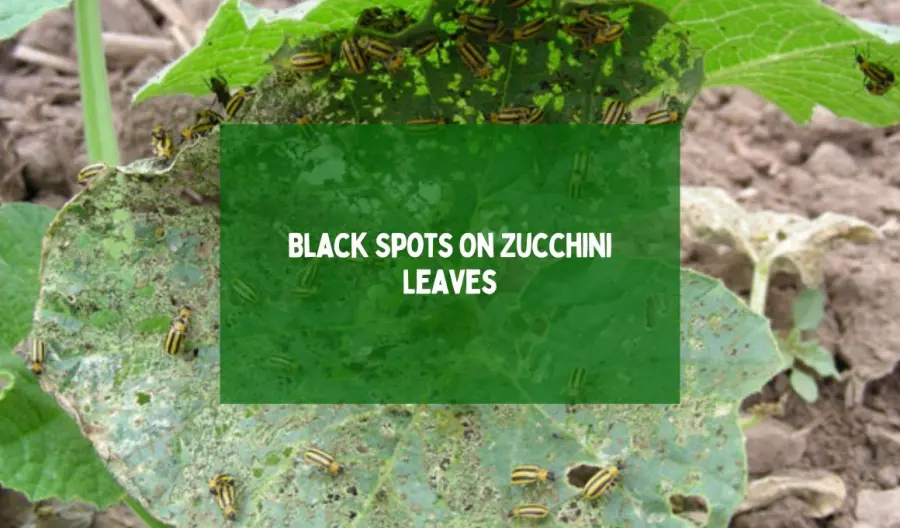
Pests like cucumber beetles and squash bugs can harm zucchini plants and hinder their ability to create food.
These bugs can eat your zucchini plant's foliage and blossoms, which can affect fertilization and crop growth. Use natural pest control techniques like insecticidal detergent or neem oil to avoid bug invasions.
Diseases
The ability of zucchini plants to generate food can also be impacted by ailments like powdery mildew and bacterial wilt. These ailments can harm your plant's foliage and branches. Which may affect nutrient absorption and general plant health.
Consider growing disease-resistant zucchini types. You can keep your yard clean by removing and discarding any zucchini plants with problems or plant detritus.
Conclusion
There are a variety of reasons for your zucchini plant not producing fruit. You can support your zucchini plants to flourish and yield a plentiful crop by tackling problems. You can savor garden-fresh zucchini all summer long with a little amount of care and focus.
The Male-Flower-Only Phase Nobody Warns You About
One of the most overlooked reasons for a zucchini plant not producing fruit has nothing to do with a problem at all. Young zucchini plants almost always produce only male flowers for the first one to two weeks of blooming. Male flowers grow on thin, slender stems and never turn into fruit under any circumstances; they exist to supply pollen once female flowers arrive. If you're watching your plant flower for the first time and seeing every blossom shrivel and drop without a zucchini forming, check whether you're actually seeing any female flowers yet. Female flowers have a small swollen bulge, a miniature zucchini, right behind the petals. No female flowers means no fruit is possible yet, regardless of pollination, watering, or fertilizing. This phase typically resolves on its own within a couple of weeks as the plant matures.
Overcrowding and Competition for Resources
A zucchini plant not producing fruit is sometimes simply too crowded to devote energy to fruit development. Zucchini plants need 24 to 36 inches of space in every direction; when planted closer than that, they shade each other, compete for the same root zone, and often respond by producing fewer flowers or aborting fruit early to conserve resources. If your plants have grown into each other, consider removing the weaker plant entirely rather than letting both struggle. This is especially common in small raised beds where gardeners plant more seeds than the space can support.
Harvesting Habits That Affect Future Fruit
How you harvest affects how much more fruit the plant goes on to produce. Zucchini left on the vine too long, especially fruit that balloons past ten or twelve inches, signals to the plant that it has successfully reproduced, and the plant will slow down flower and fruit production in response. Check plants every day or two during peak season and harvest zucchini at six to eight inches for the best flavor and to keep the plant producing steadily. A single overripe zucchini left hidden under the leaves can measurably slow down the whole plant's output for the rest of the season.
Inconsistent Watering
Zucchini plants under water stress, whether from drought or from erratic watering that swings between soaked and bone-dry, often abort flowers and small developing fruit before they can mature. This is the plant's way of conserving resources when it doesn't have a reliable water supply. Aim for about an inch and a half of water per week delivered consistently, and mulch around the base to buffer soil moisture swings between waterings, especially during hot, dry stretches when a zucchini plant not producing fruit is often traced right back to the watering can.
When a Previously Productive Plant Suddenly Stops
If your zucchini plant was fruiting fine for weeks and then stopped, the cause is usually different from a plant that never produced in the first place. Check the base of the stem for a small hole with sawdust-like frass around it, a sign of squash vine borer, which tunnels into the stem and cuts off the flow of water and nutrients to the rest of the plant, including developing fruit. Also consider plant age: zucchini plants are heavy producers for six to eight weeks but naturally slow down as they age, especially in the second half of summer when disease pressure and pest damage have accumulated. A sudden stop paired with wilting during the day (even with moist soil) points to vine borers or bacterial wilt rather than a pollination or nutrient issue, and neither of those problems responds to more water or fertilizer.
Incomplete Pollination vs. No Pollination
It's worth knowing that fruit can start growing and still fail partway through if pollination was incomplete rather than absent. A zucchini needs pollen distributed across the entire stigma to develop evenly; partial pollination often produces a fruit that starts growing, then yellows and shrivels from the blossom end inward after a few days rather than failing to start at all. This looks different from a flower that drops without any fruit behind it, and it points toward marginal pollinator activity rather than a total lack of pollination. Hand-pollinating with two or three male flowers per female flower, rather than just one, delivers more pollen and reduces this kind of partial fruit failure.
Frequently Asked Questions
How long should you wait before worrying about a zucchini plant not producing fruit?
Give a newly flowering plant at least two to three weeks before troubleshooting, since the male-flower-only phase alone can account for that much of a delay. If female flowers are present and forming fruit that then yellows and drops after two to three weeks of flowering, it's time to look at pollination, watering, and spacing.
Can too much fertilizer stop a zucchini plant from producing fruit?
Yes. Excess nitrogen in particular pushes the plant toward producing large, leafy growth instead of flowers and fruit. If you've been feeding heavily with a high-nitrogen fertilizer and getting huge plants but little fruit, switch to a fertilizer with a lower first number (nitrogen) and higher second and third numbers (phosphorus and potassium) to encourage flowering.
Do all zucchini varieties produce fruit at the same rate?
No. Bush varieties tend to flower and fruit earlier and more heavily in a shorter window, while vining varieties spread out production over a longer season. If you're comparing your plant's output to a neighbor's and they're growing a different variety, some difference in timing and yield is normal rather than a sign of a problem.
6. Only Male Flowers Are Blooming
Early in the season, zucchini plants often produce a flush of male flowers before any female flowers appear at all. Since only female flowers develop into fruit, it can look like the zucchini plant not producing fruit is a problem when really it just hasn't opened its first female flower yet. This is a normal part of the plant's growth pattern, not something to fix.
Solution: Be patient. Female flowers typically show up within one to two weeks after the first male flowers, once the plant has built up enough energy and size to support fruit. You can identify a female flower by the small bulb at its base, which is the undeveloped fruit.
Things to consider: Some varieties and unusually cool spring conditions can stretch this male-only phase to three weeks or more. If you're past three weeks with no female flowers in sight, heat stress or excess nitrogen, which favors leafy growth over flowering, is more likely the cause.
7. Pest or Leaf Damage Reducing Plant Energy
Zucchini plants need healthy, undamaged leaves to photosynthesize enough energy to fill out fruit. Squash bugs, cucumber beetles, and vine borers don't just threaten the plant directly - the leaf damage they cause reduces the energy available for fruit production, so the plant may abort flowers or produce fruit that stalls out while still small.
Solution: Check the undersides of leaves regularly for pest eggs and squash bug clusters, and remove them by hand before populations build up. Keep at least 60-70% of the plant's leaf canopy intact; over-pruning leaves for space or airflow can cost the plant fruit just as much as pests can.
Things to consider: Vine borers are the most damaging of the three, since their larvae tunnel inside the stem and cut off water and nutrients to everything past the entry point. A sudden, complete wilt of an otherwise well-watered plant is the telltale sign to check the base of the stem for a small entry hole and sawdust-like frass.
How long after flowering should zucchini fruit appear?
Once a female flower is successfully pollinated, you should see the tiny fruit behind it start to visibly swell within three to four days. If it's still the same size after a week, pollination likely failed and the fruit will yellow and drop rather than continue developing.
Can too much nitrogen fertilizer stop zucchini from fruiting?
Yes. Nitrogen-heavy fertilizer pushes the plant to grow lush green leaves and vines at the expense of flowering. If your zucchini plant looks huge and healthy but isn't setting fruit, switch to a fertilizer lower in nitrogen and higher in phosphorus and potassium, which support flower and fruit development instead.