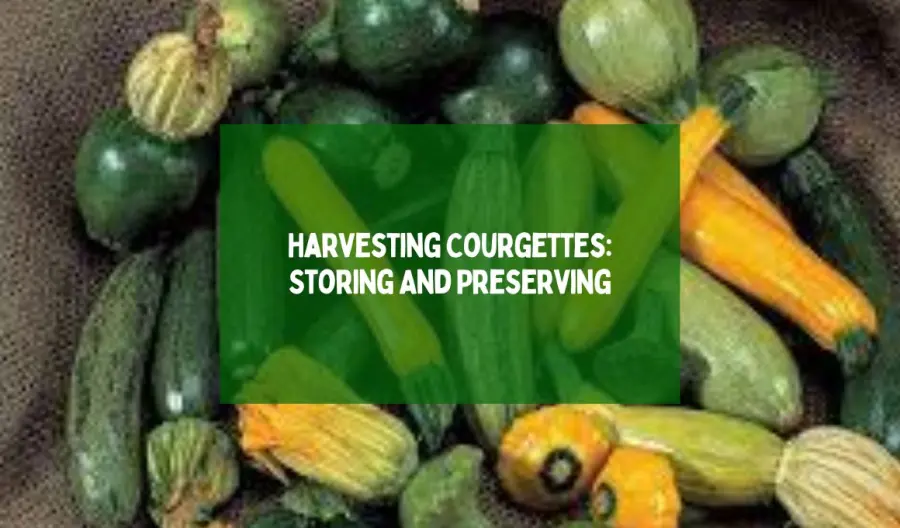
Courgettes, also known as zucchini, are a versatile and delicious summer vegetable. When it comes to harvesting, it's important to pick them when they are still small and tender, typically around 6–8 inches long. Leaving them on the vine too long can result in tough and bitter flesh.
After harvesting, it's best to store courgettes in the refrigerator in a plastic bag or container for up to 5 days. To preserve them for longer periods, you can also freeze or pickle them.
When freezing, blanching the courgettes first helps retain their texture and flavor. Pickling involves combining sliced courgettes with vinegar, salt, and spices, creating a tangy and flavorful snack or condiment.
Courgettes are a great source of vitamins and minerals. In this article, I will tell you everything about courgettes and how to harvest them, store them, and preserve them.
Let's take a look.
Harvesting Courgettes
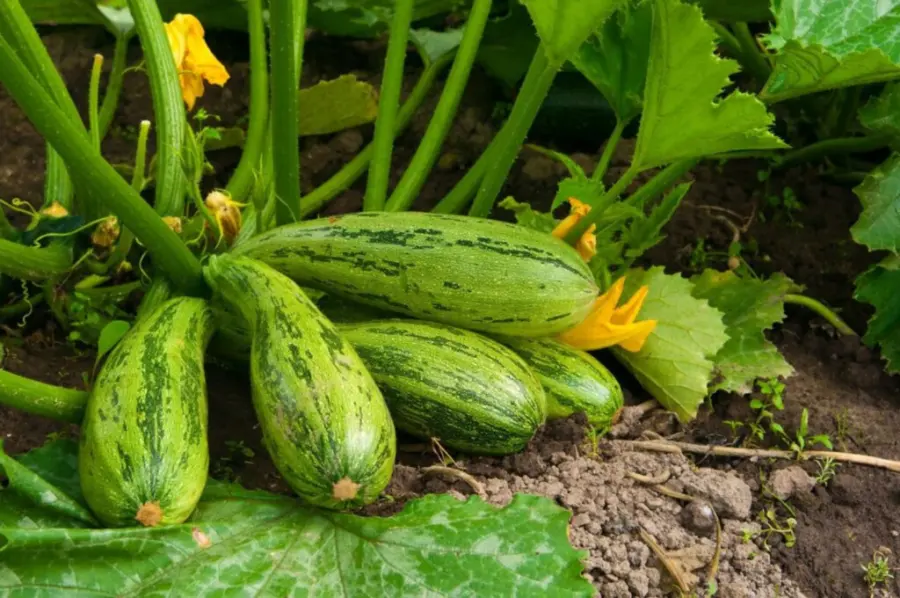
When it comes to harvesting courgettes, timing is key. A courgette that is left on the vine for too long can become tough and bitter.
When to Harvest Courgettes?
Generally, courgettes are ready to be harvested when they are 4-6 inches long and the skin is still tender. It's important to check your courgette plant regularly, as they can grow quite quickly.
If you notice oversized courgettes on your plant, removing them as soon as possible is best. These oversized fruits can take energy away from the plant and reduce the production of new courgettes.
How to Harvest Courgettes?
To harvest courgettes, follow these steps:
- Courgettes grow faster than other fruits, so it's important to check your plant every few days for ripe fruits.
- Use a sharp knife or pruning shears to cut the stem just above the fruit. Be careful not to damage the plant when doing so.
- Twisting or pulling the fruit can damage the stem and reduce future yields.
- If you notice any oversized fruits on your plant, it's best to remove them as soon as possible.
- Keep harvesting your courgettes regularly to encourage the plant to produce more fruits.
What Is the Right to Harvest Courgettes?
The right time to harvest courgettes is when they reach a size of around 10–15 cm in length and have a tender skin that can be easily checked with a fingernail. It's important to check your courgette plants regularly, as they produce fruit more quickly.
The fruit that is left on the vine for too long becomes tough and may affect plant growth. By harvesting courgettes at the right time, you can ensure that they are tender and flavorful, making them a delicious addition to a variety of dishes.
Storing Courgettes
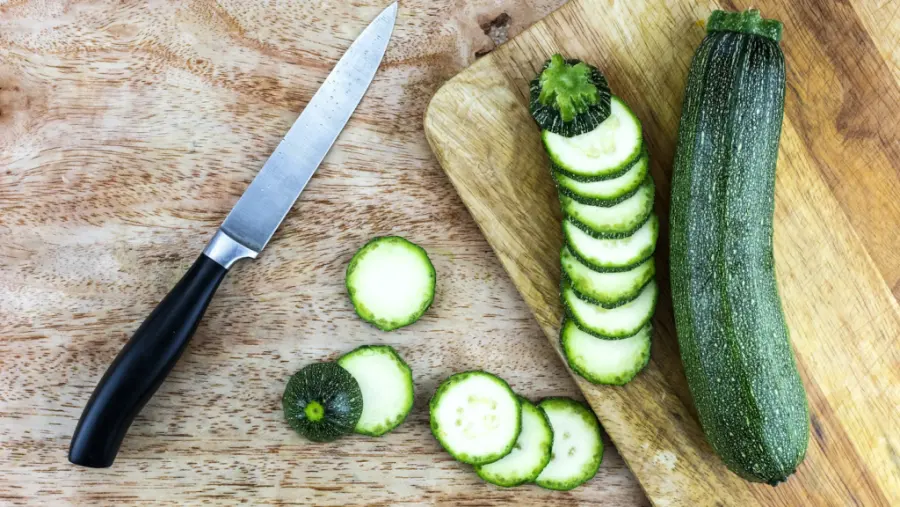
If you need to store them for longer periods of time, freezing them is a better option to maintain their flavor and texture.
How to Store Courgettes?
Courgettes can be stored in a few different ways to keep them fresh for longer:
- If you plan to use your courgettes within a few days, you can store them in the fridge. Place them in a plastic bag or airtight container and keep them in the vegetable drawer.
- Courgettes can also be frozen for later use. To freeze them, slice them into rounds or cubes and blanch them in boiling water for a few minutes. Drain them and let them cool completely before placing them in a freezer bag or container. Frozen courgettes can be stored for up to 6 months.
- If you have a cool, dark storage area, such as a pantry or root cellar, you can store your courgettes there. Keep them in a single layer and make sure they are not touching each other.
How Long Can You Keep Courgettes?
The length of time for which you can keep courgettes depends on how they are stored.
- If you store courgettes in the refrigerator, they can last for up to 5-7 days.
- If you have frozen courgettes, they can be stored for up to 6 months. However, the texture of the courgettes may change once they are thawed, so it's best to use them in cooked dishes rather than raw.
- If you store courgettes in a cool, dark place like a pantry, they may last for up to a week, but it's important to check them regularly to protect from damage.
It's important to note that courgettes are best eaten fresh, so it's best to use them within a few days of harvesting.
Can you Store Courgettes in the Fridge?
Yes, courgettes can be stored in the fridge. Storing courgettes in the fridge is a good option if you plan to use them within a few days and want to keep them fresh. They can last for up to 5-7 days when stored in the fridge.
It's important to note that courgettes are sensitive to moisture, so avoid washing them until you are ready to use them. Also, make sure to store them in a single layer to prevent them from becoming damaged.
Preserving Courgettes
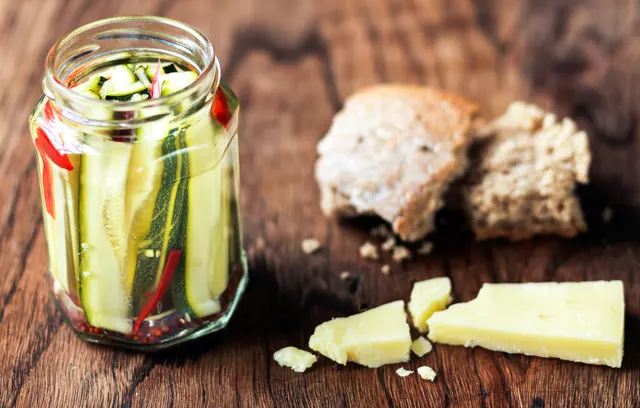
Preserving courgettes is a great way to enjoy them all year. One of the easiest ways to preserve courgettes is by freezing them.
Another option is to pickle courgettes in vinegar and spices, which can be a delicious addition to salads or sandwiches. You can also make courgette chutney, which can be stored in jars and used as a sauce.
Freezing Courgettes
Here are the steps to freeze courgettes:
- Rinse the courgettes thoroughly under cool running water to remove any dirt.
- Cut the courgettes into rounds or cubes. You can remove the skin according to your choice.
- Boil the sliced courgettes for 2–3 minutes, then place them in a bowl of ice water to stop the cooking process.
- Use a strainer to drain the courgettes, then pat them with a clean towel.
- Place the courgettes into freezer bags or containers. Label the bags with the date and store them in the freezer.
Pickling Courgettes
Here are the steps to pickle courgettes:
- Rinse the courgettes under cool running water and slice them into cubes.
- In a pan, combine 1 cup of white vinegar, 1 cup of water, 1 tablespoon of salt, and any desired spices such as garlic, dill, or mustard seeds. Bring the mixture to a boil, stirring until it dissolves.
- Pack the sliced courgettes into jars, leaving some space at the top.
- Pour the hot pickling solution over the courgettes, making sure that they are completely covered.
- Wipe the rims of the jars clean and seal them with bands.
- Place the jars in the refrigerator and let them sit for at least 24 hours before eating. The pickled courgettes will keep for several weeks in the fridge.
Pickled courgettes are a delicious addition to sandwiches, salads, and cheese boards. You can experiment with different spices and seasonings.
Conclusion
Courgettes are a versatile and delicious vegetable that can be enjoyed in a variety of dishes. To harvest courgettes, wait until they are about 15–20 cm long. Store them in a cool, dry place or in the fridge for up to 5-7 days.
If you want to preserve courgettes longer, freezing them is easy. You can pickle courgettes in vinegar and spices or make relish or chutney to store in jars. With these tips, you can enjoy courgettes all year.
FAQs
What can I do with too many courgettes?
If you have too many courgettes, you can try cooking them in a variety of ways, such as grilling, roasting, sautéing, or stir-frying. You can also make zucchini noodles, soups, and stews.
Can I freeze uncooked courgettes?
It is better to blanch or cook the courgettes before freezing them. Freezing uncooked courgettes become mushy and lose their flavor and texture
Should I pick courgette flowers?
Courgette flowers can be picked and eaten, but it is important to note that picking too many flowers can reduce the yield of the plant. Courgette flowers are a delicacy and can be used in a variety of recipes.
Are there male and female courgettes?
Yes, courgettes have male and female flowers on the same plant. The male flowers have a long stem and do not produce fruit, while the female flowers have a small courgette attached to the base that will mature into a full-sized courgette if pollinated.
What is the difference between a courgette and a marrow?
The difference between a courgette and a marrow is their size and maturity.
Courgettes are harvested when they are young and small, usually about 15-20 cm long, while marrows are left to grow to a larger size, usually over 25 cm long.
Marrows have thicker skin, and courgettes have thin skin.
Preserving Courgettes Beyond the Freezer
Pickling Courgettes
Pickling is a good option when you have got more courgettes than you can use or freeze fresh. Slice them into rounds or spears and pack them into clean, sterilized jars with garlic, dill, or mustard seed. Bring a brine of equal parts vinegar and water with about 2 tablespoons of salt per pint to a boil, pour it over the courgettes while still hot, and seal. Refrigerator pickles are ready to eat within 24 to 48 hours and keep for several weeks in the fridge. For shelf-stable jars, process filled jars in a boiling water bath for the time specified by a tested canning recipe rather than guessing at timing.
Drying Courgettes
Courgettes can also be dehydrated into chips or powder. Slice them thin and even, around 1/8 inch, and dry them in a dehydrator at around 125°F until brittle, which typically takes 6 to 10 hours depending on thickness and humidity. Dried courgette chips work as a snack or can be blitzed into a powder to add to soups and sauces during the winter. Store dried courgette in an airtight container away from light, and use it within about a year for the best flavor.
Signs a Courgette Has Been Left on the Vine Too Long
- The skin has toughened and resists a light press with a fingernail; young courgette skin dents easily.
- The fruit has ballooned well past 10 inches and feels heavy for its size, often with a thicker, less glossy skin.
- Seeds inside are large and the flesh around them looks spongy or watery when cut open.
- The stem end has started to yellow or dry out even though the fruit is still attached to a healthy-looking plant.
An overgrown courgette is not wasted, it is just suited to different dishes. Scoop out the seedy center and use the firmer flesh for stuffing, grate it for bread and fritters, or turn it into soup where a softer texture does not matter. What it will not do well is hold up in a quick sauté or a raw salad, where a young, firm courgette is worth waiting for the next flush instead.
How Harvest Timing Shifts Through the Season
Courgette plants do not produce at a constant rate. Early in the season, when the plant is still establishing, fruit tends to grow more slowly and you might only need to check every other day. Once the plant hits full production in mid-summer, growth accelerates dramatically; a courgette that was a couple of inches long yesterday can be oversized in 48 hours during a warm, humid stretch. Checking daily during peak season is the only reliable way to catch fruit at the right size for harvesting courgettes consistently. Production naturally slows again as days shorten in early autumn, and fruit that forms late in the season often grows more slowly and can be left a little longer without turning tough, since cooler temperatures slow the process that toughens the skin.
Frequently Asked Questions
Can I harvest courgette flowers as well as the fruit?
Yes. Male flowers, which grow on thin stems without a fruit behind them, can be harvested without affecting yield, since a single male flower produces enough pollen for several female flowers. Squash blossoms are typically picked in the morning while still open, then stuffed and fried or added to salads the same day, since they wilt quickly once picked.
Why do my courgettes sometimes rot on the vine before I can harvest them?
Blossom end rot and general fruit rot on courgette usually trace back to inconsistent watering or poor pollination that leaves the fruit unable to develop properly, creating an entry point for rot organisms. Remove any rotting fruit promptly so it does not attract pests or spread mold to nearby healthy fruit.