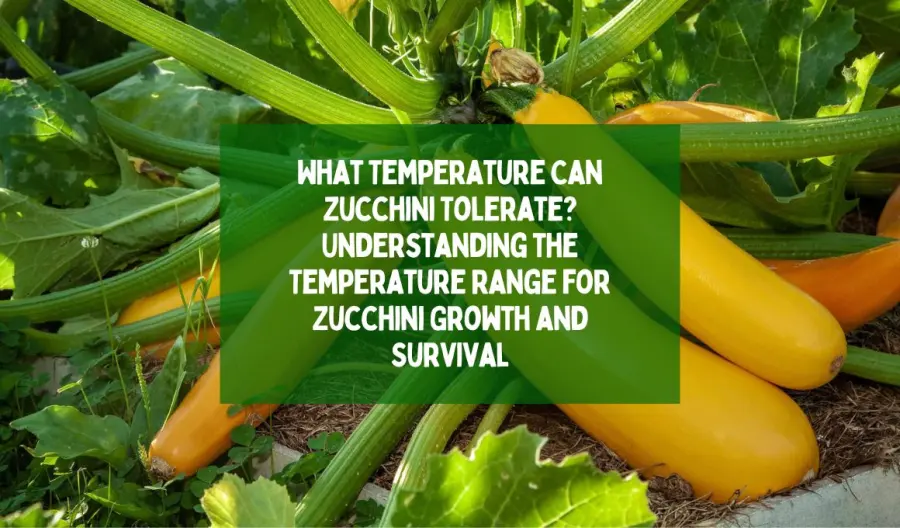
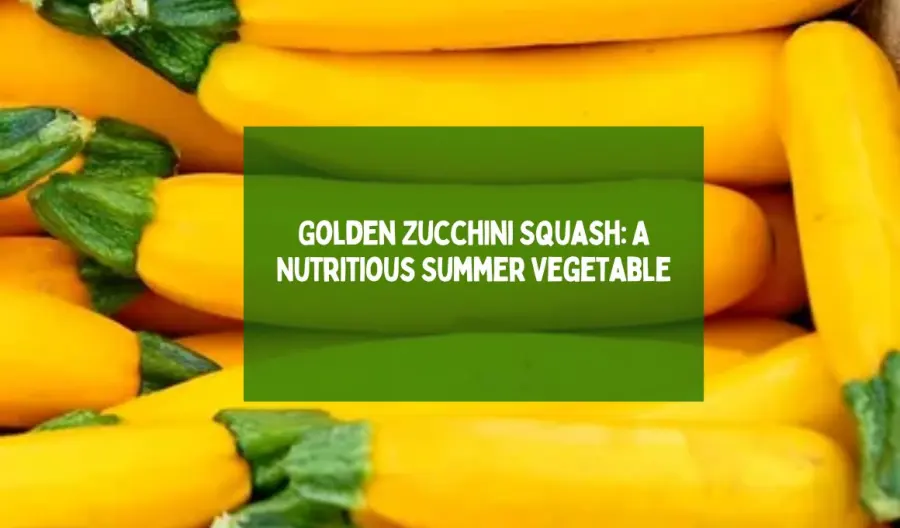
Golden zucchini squash is a kind of summer squash that is bright yellow. It is about the same size and form as a green zucchini, but its color is brighter and more noticeable. Golden zucchini squash has meat that is also pale yellow and tastes a little bit sweeter than green zucchini. Golden zucchini squash is low in calories and high in vitamins and minerals, just like other kinds of summer squash.
This guide will tell you everything you need to know about golden zucchini squash plants, including what they are, how to grow them, and what benefits they offer.
We know that there is a lot of information about this topic out there, but we promise that our guide is the most detailed and well-researched one out there.
What are golden zucchini squash plants?
Golden zucchini squash plants are a type of summer squash that evolved in Italy. They are known for their bright golden-yellow color and their soft meat. They look a lot like regular green zucchini, but they taste a little sweeter. They have a lot of fiber, potassium, and vitamin C, which makes them a healthy addition to any diet.
Read More
How to Grow Zucchini Plants in your backyard?
Growing golden zucchini squash plants isn't too hard, and both new and experienced farmers can benefit from them. Here are some tips on how to grow your golden zucchini squash plants:
Choose a sunny spot
Golden zucchini squash plants require a lot of sunlight to grow, so make sure to choose a spot in your yard that gets at least 6-8 hours of full sunlight each day.
Prepare the soil
Golden zucchini squash plants enjoy well-draining soil that is rich in organic matter. Before planting, improve your soil with compost or other organic materials.
Plant the seeds
After the last frost in the spring, plant the seeds for your golden zucchini squash plant. Plant zucchini seeds deep in the soil maximum of 2 to 3 feet deep in the backyard.
Water the plants often
Golden zucchini squash plants need to be watered often, especially when the weather is hot and dry. Make sure to give them a good soaking of water once or twice a week, based on the weather.
Golden zucchini squash plants usually produce fruit 50–60 days after they are planted. When the fruit is about 6 to 8 inches long and has a hard feel, it is ready to be picked.
Benefits of golden zucchini plants
Here are some of the main benefits of growing and using golden zucchini:
- Golden zucchini squash plants are a great addition to your diet because they are good for your health in many ways.
- Golden zucchini Plants are good for your heart because they are low in calories and high in fiber. This makes them less likely to give you heart disease.
- Your immune system will be stronger because golden zucchini Plants are full of vitamin C, which is important for a good immune system.
- Golden zucchini Plants are high in fiber, which helps keep your digestive system healthy and normal.
- Golden zucchini Plants are a great choice for people trying to lose weight because they are low in calories and high in water.
Golden zucchini vs yellow squash
The main way that golden zucchini squash plants are different from other zucchini plants is in how they look. Instead of being dark green like most zucchini, their skin is a bright golden yellow.
Even though they look alike, golden zucchini squash and yellow squash are two different kinds of summer squash. However, they are often mistaken for each other because of how similar they look.
Golden zucchini squash is a type of summer squash that has a bright yellow color, while yellow squash can mean any type of summer squash with yellowish skin, such as crookneck squash or straight-neck squash.
Golden zucchinis have the same taste and feel as other zucchinis. When cooked, they have a mild taste and a hard, almost crunchy structure. Some people, though, say that yellow zucchinis taste a little bit sweeter than green zucchinis.
People also say that golden zucchinis have a high yield, which means that each plant makes a lot of food. Because of this, gardeners and farmers who want to get the most out of their crops often choose them.
Even though golden zucchini squash plants look different from other zucchini plants, they taste and feel pretty much the same. But their high yield and unique look make them a popular choice among both farmers and people who want to buy them.
Read More
- 16 Different Types of Aubergine You Need to Try
- How To Keep Bugs Off Pumpkin Plants?
- 17 Plants You Can Grow With Carrots As Companions
Yummy dishes made with golden zucchini squash squash
Certainly! Golden zucchini squash is a kind of summer squash that is bright yellow and tastes mild and a little bit sweet.
Here are a few ways to cook with golden zucchini:
- Golden zucchini squash fritters: Grate the zucchini, mix it with eggs, flour, and spices, then pan-fry until golden brown. Use it as a side dish or as a first course.
- For golden zucchini squash soup: Sauté diced onions and garlic in olive oil until they soften, then add chopped golden zucchini squash and chicken or veggie broth. Simmer until the zucchini is soft, then puree with an immersion blender. Salt and pepper can be added to taste.
- For golden zucchini Gratin: Carefully slice the zucchini and cover it with cream, chopped cheese, and breadcrumbs in a baking dish. Bake in the oven until hot and golden brown.
- Golden zucchini squash noodles: Use a spiralizer or a veggie knife to cut zucchini into long, thin strips. For a low-carb option to spaghetti, toss with olive oil, garlic, and your favorite pasta sauce.
- Golden zucchini Stir-Fry: Cut the zucchini into small pieces and stir-fry them with sliced onions, bell peppers, and your choice of protein. (such as chicken or tofu). Season a tasty and healthy meal with soy sauce, ginger, and garlic. This makes them easy to tell apart from other kinds of zucchini.
Conclusion
Golden zucchini Plants are a great choice for anyone who wants to grow their veggies. They are easy to grow, full of good things for you, and taste great.
We hope that our best guide to golden zucchini Plants has been helpful and useful. Please feel free to get in touch with us if you have any questions or thoughts. Happy gardening!
Cooking With Golden Zucchini
The bright color of golden zucchini holds up better than green zucchini once it hits the pan, which makes it a nice choice for dishes where you want the vegetable to stay visually distinct - think grilled skewers, roasted vegetable medleys, or a simple sauté with olive oil and garlic. Because the flesh is slightly sweeter and a touch less watery than standard green varieties, it also works well shredded raw into salads or slaws without turning mushy as quickly. Slice it into thin coins and grill for a few minutes per side, or shred it for fritters - golden zucchini holds its shape a little better than green zucchini during cooking, so it's more forgiving if you're new to working with summer squash.
Try not to peel it. Most of the fiber and a good share of the nutrients sit right under that yellow skin, and the skin itself is thin enough that it cooks down tender in almost any preparation.
Storage and Handling
Fresh golden zucchini doesn't keep as long as harder winter squash, so plan to use it within about a week. Store unwashed fruit in a perforated plastic bag in the crisper drawer of your refrigerator - the perforations matter, because trapped moisture speeds up rot. Avoid storing it near apples, pears, or other ethylene-producing fruit, which will cause it to soften and yellow faster than it already does. If you end up with more than you can eat fresh, golden zucchini freezes well once shredded and squeezed dry of excess moisture, ready to drop into muffins, breads, or soup later in the year.
Watch for Sunscald
Because golden zucchini has thinner, lighter-colored skin than green varieties, the fruit is somewhat more prone to sunscald in very hot climates - a bleached, papery patch on the side facing direct afternoon sun. A light layer of leaf cover from the plant's own canopy usually prevents this, so resist the urge to strip away every leaf when you're tidying up the plant. If you garden somewhere with intense summer sun, leave a few of the larger leaves near developing fruit for shade.
Does Golden Zucchini Taste Different From Green Zucchini?
Yes, though the difference is subtle. Golden zucchini tends to taste slightly sweeter and nuttier than green zucchini, with a bit less of the grassy, vegetal note you get from green-skinned types. The texture is nearly identical, so you can swap one for the other in almost any recipe without adjusting cooking time.
Common Mistakes to Avoid
- Letting fruit grow too large: Golden zucchini turns seedy and the skin toughens once it passes about 8 inches - check plants every day or two during peak season.
- Overwatering from overhead: Wet leaves left overnight invite powdery mildew, which shows up as white patches and spreads fast in humid weather. Water at the base of the plant instead.
- Crowding plants: Give each plant at least 3 feet of space in every direction. Poor air circulation is one of the most common reasons squash plants develop fungal problems midseason.
Cooking with Golden Zucchini Squash
Golden zucchini holds its color better than green zucchini once it hits heat, which makes it a better pick for dishes where you want visual contrast on the plate. Slice it thin and toss it raw into a salad with lemon and olive oil, and the pale yellow flesh stays firm and crisp instead of going limp. Because the skin is thinner than a lot of green varieties, you rarely need to peel it before cooking.
Grilling brings out the natural sweetness. Cut golden zucchini into planks about a quarter-inch thick, brush with oil, and grill over medium-high heat for two to three minutes per side until you get char marks but the center still has some bite. It also holds up well in a stir-fry, since the firmer flesh doesn't turn to mush as fast as some green varieties do when they've been picked oversized.
If you're stuffing zucchini, golden varieties make an appealing base because the yellow skin browns nicely in the oven and contrasts with whatever filling you use, whether that's a grain mix, ground meat, or a vegetable and cheese combination.
Storing and Saving Seeds from Golden Zucchini
Fresh golden zucchini keeps for about five to seven days in the refrigerator's crisper drawer. Don't wash it before storing, since moisture on the skin speeds up rot. Wrap it loosely in a paper towel or a perforated bag so it can breathe; sealing it in plastic traps condensation and causes soft spots to form faster.
If you want to save seeds for next season, let a few fruits stay on the vine well past the eating stage until the skin turns tough and dull instead of glossy. Scoop out the seeds, rinse off the pulp, and let them dry completely on a paper towel for a week or two before storing them in a labeled envelope somewhere cool and dry. Keep in mind that golden zucchini will cross-pollinate with other summer squash varieties growing nearby, so if you want seeds that grow true to type, keep some distance between different squash varieties or hand-pollinate and bag the flowers yourself.
Does golden zucchini attract different pests than green zucchini?
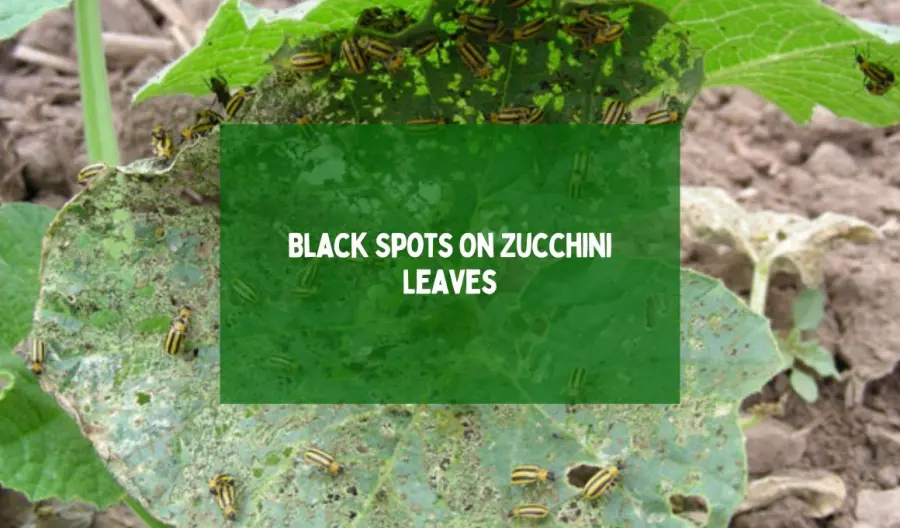
No. Golden zucchini squash is susceptible to the same pests as green varieties, including squash vine borers, squash bugs, and cucumber beetles. The one practical difference is that blemishes, scarring, and insect damage show up more visibly against the bright yellow skin, so you'll often spot problems earlier just by looking at the fruit.
Can you grow golden zucchini in containers?
Yes. Golden zucchini grows well in containers as long as you pick a compact or bush variety rather than a sprawling one, and use a pot that holds at least five gallons of soil for a single plant. A half whiskey barrel or a large fabric grow bag works even better, since the extra soil volume holds moisture longer during hot afternoons. Use a well-draining potting mix instead of garden soil, which tends to compact in containers and suffocate the roots. Container-grown golden zucchini dries out faster than plants in the ground, so check the soil daily once summer heat sets in, and feed every couple of weeks with a diluted liquid fertilizer since nutrients wash out of pots with every watering.