
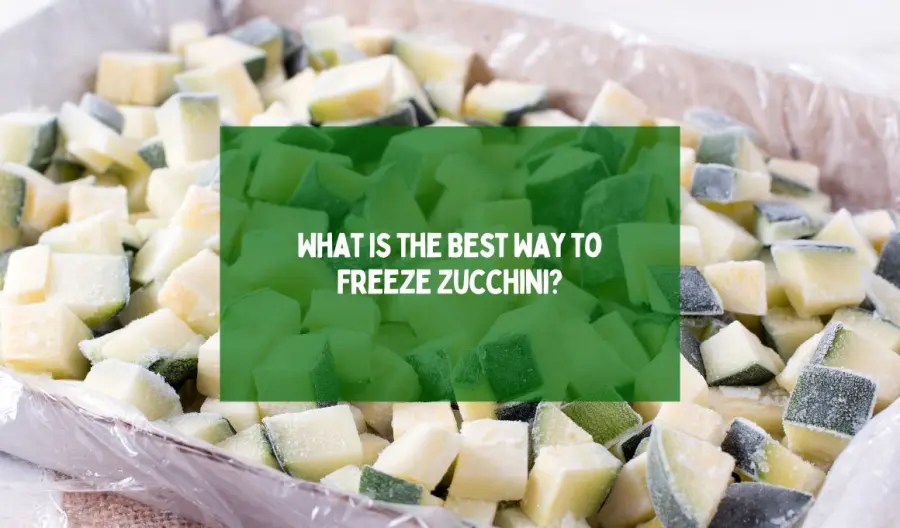
Zucchini, a versatile and nutritious vegetable, is a staple in many kitchens. With its abundant harvest during the summer months, finding ways to preserve this vegetable becomes essential.
Freezing zucchini is an excellent method to extend its shelf life, allowing you to enjoy its taste and nutritional benefits even when it's out of season. But what is the best way to freeze zucchini?
Let's delve into various techniques and discover the most effective methods for freezing zucchini.
What is the Best Way to Freeze Zucchini?
Freezing zucchini involves a few simple steps that can be customized based on your preferences and future use. Here's a step-by-step guide to freezing zucchini using the most effective method:
Step 1: Selecting and Preparing Zucchini
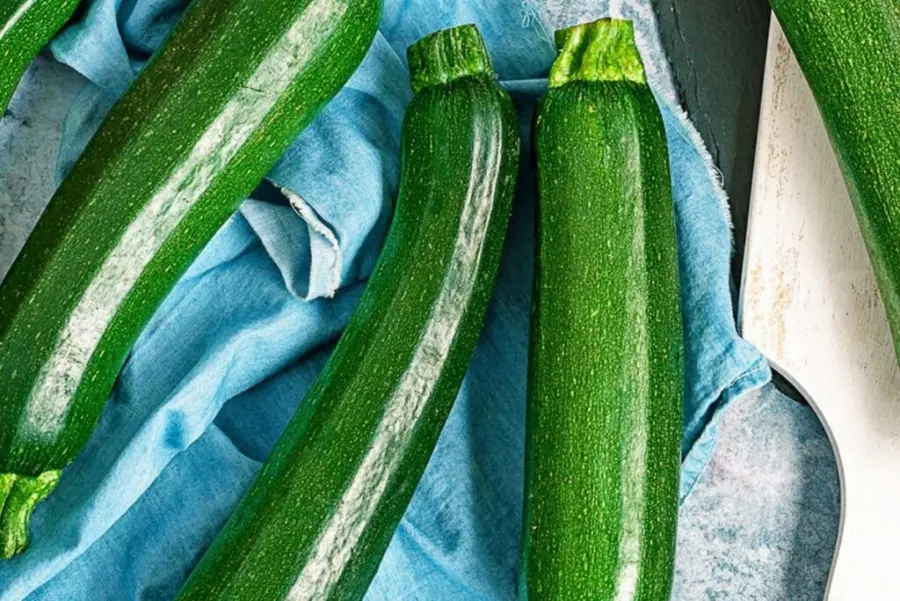
To start, choose fresh and firm zucchini that is free from blemishes. Wash the zucchini thoroughly under running water and trim off both ends. Peeling the zucchini is optional, but it is recommended if you prefer a smoother texture.
Step 2: Slicing or Dicing the Zucchini
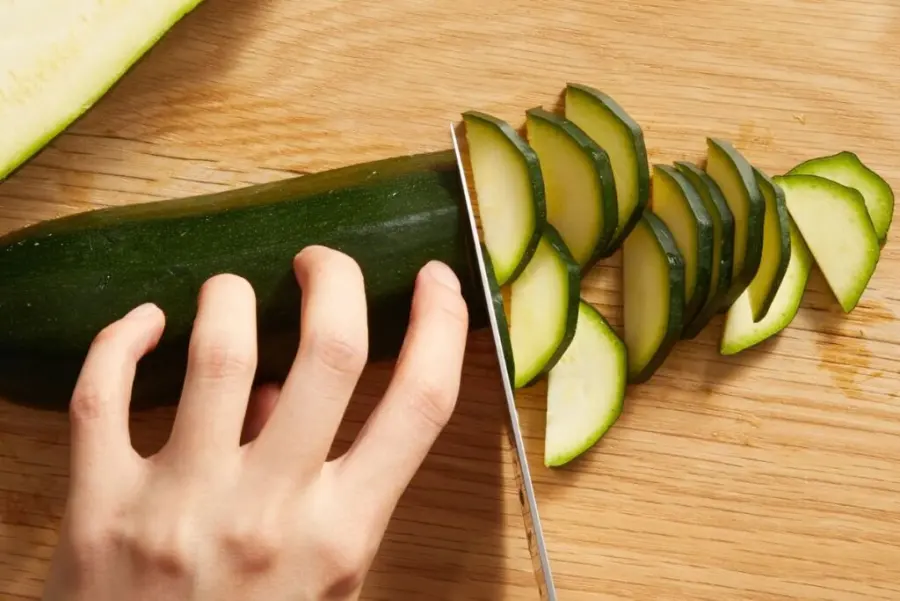
Next, you have the option to slice or dice the zucchini according to your preferred shape and future recipes. Sliced zucchini works well in dishes like stir-fries, while diced zucchini is ideal for soups and stews.
Step 3: Blanching the Zucchini
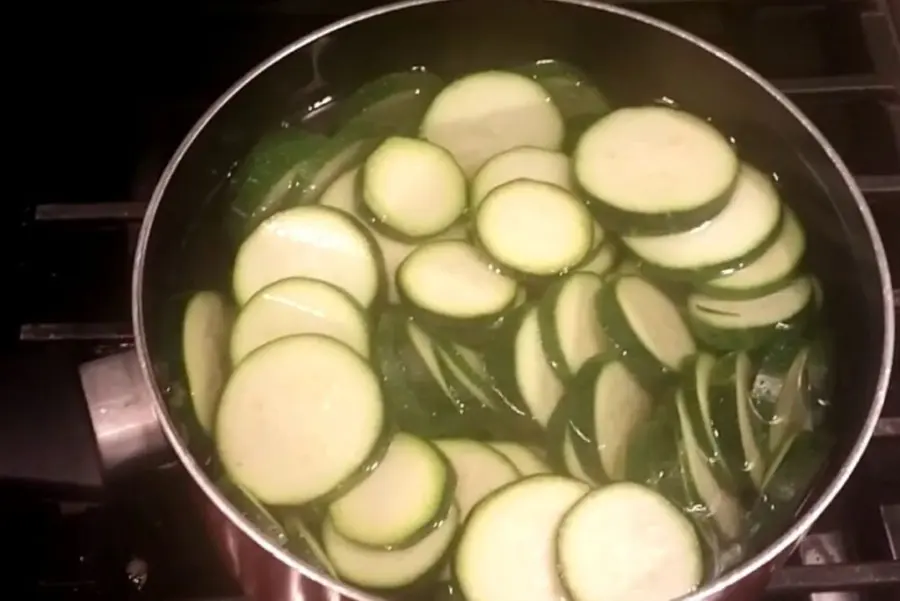
Blanching the zucchini is an essential step in preserving its texture and flavor. Follow these simple instructions to blanch zucchini effectively:
- Bring a large pot of water to a rolling boil.
- Meanwhile, prepare a bowl of ice water.
- Carefully place the zucchini into the boiling water and let it cook for 1-2 minutes.
- Using a slotted spoon or tongs, transfer the blanched zucchini immediately to the ice water bath.
- Allow the zucchini to cool in the ice water for a few minutes to halt the cooking process.
- Once cooled, remove the zucchini from the ice water and pat it dry with a clean kitchen towel.
Blanching the zucchini ensures that it retains its vibrant color, crispness, and nutritional value, making it ready for freezing.
Step 4: Draining and Packaging
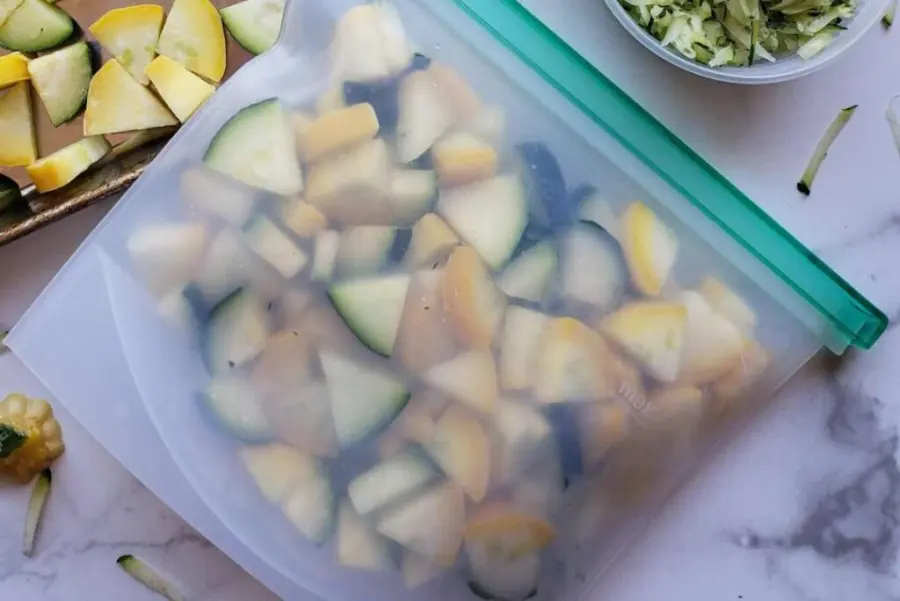
Once the zucchini has cooled, drain it thoroughly to remove excess moisture. Excess moisture can result in ice crystals forming during freezing, leading to a loss of texture.
Pack the blanched zucchini into airtight freezer bags or containers, removing as much air as possible. Label the packages with the date to ensure proper rotation of frozen zucchini.
Related Reading:
- Can You Eat Deformed Zucchini?
- Thomas Keller’s Oven-Roasted Zucchini: A Simple and Flavorful Side Dish
- Why Are My Zucchini Plant Wilting?
- How To Pollinate Zucchini Plants?
- How To Pollinate Zucchini Plants?
Best Ways to Use Frozen Zucchini
Frozen zucchini can be a versatile ingredient that adds flavor, texture, and nutrients to a variety of dishes. Here are some of the best ways to utilize your frozen zucchini:
Zucchini Soups and Stews
- Add frozen zucchini to hearty vegetable soups or stews during the cooking process.
- The zucchini will thaw and contribute its delicious flavors to the dish.
- It works well in minestrone, chicken noodle soup, or even chili.
Stir-Fries and Sautéed Dishes
- Sauté frozen zucchini with other vegetables for a quick and nutritious side dish.
- The zucchini will soften as it cooks and pairs well with onions, bell peppers, and mushrooms.
- Season with herbs and spices of your choice for added flavor.
Casseroles and Baked Dishes:
- Incorporate frozen zucchini into casseroles, such as lasagna or baked ziti.
- Layer it with other ingredients like pasta, cheese, and sauce for a comforting and satisfying meal.
- The zucchini will release moisture while baking, adding moisture to the dish.
Fritters and Patties
- Thaw frozen zucchini and squeeze out excess moisture before using it in fritters or patties.
- Combine the zucchini with breadcrumbs, eggs, and seasonings to form a mixture.
- Shape the mixture into patties and pan-fry them until golden brown for a tasty and crispy treat.
Baked Goods
- Use frozen zucchini in baked goods like muffins, bread, or cakes.
- Thaw the zucchini and squeeze out any excess moisture.
- Fold it into the batter along with other ingredients for added moisture and nutrition.
- Zucchini bread and muffins are particularly popular options.
Pasta and Noodle Dishes
- Toss thawed frozen zucchini with cooked pasta or noodles for a quick and easy meal.
- It works well in pasta salads or as a topping for spaghetti.
- Sauté the zucchini briefly with garlic and olive oil for added flavor.
Remember to thaw the frozen zucchini before using it in recipes, either by placing it in the refrigerator overnight or using the defrost setting on your microwave. Once thawed, the zucchini will be ready to enhance your dishes with its delicious taste and nutritional benefits.
Experiment with these ideas and discover your favorite ways to use frozen zucchini in your culinary creations.
Conclusion
Preserving zucchini through freezing is an excellent way to enjoy this versatile vegetable all year round. By following the proper techniques of blanching, slicing, packaging, and labeling, you can ensure that your frozen zucchini retains its quality, taste, and nutritional benefits.
Whether you plan to use it in soups, stir-fries, or baked goods, frozen zucchini can be a convenient and delicious addition to your recipes.
So, the next time you find yourself wondering, "What is the best way to freeze zucchini?" you can confidently freeze your zucchini and enjoy its flavors whenever you desire.
Related Reading:
- Healthy and Delicious Tomato Chips: A Tasty Snack Recipe
- Where Do Aubergines Grow Naturally?
- Baked or Dehydrated Cucumber Chips – A Simple Low Carb Recipe
- The Best Lentil-Tomato Soup Recipe
FAQs About Freezing Zucchini
Can you freeze zucchini without blanching it?
While blanching is the recommended method, you can freeze zucchini without blanching. However, be aware that unblanched zucchini may result in a softer texture and may not retain its vibrant color as well.
Should I peel the zucchini before freezing?
Peeling zucchini before freezing is optional. If you prefer a smoother texture, peeling is recommended. However, leaving the skin on can help preserve the vegetable's nutritional value.
Can I freeze zucchini noodles?
Yes, you can freeze zucchini noodles, also known as zoodles. After spiralizing the zucchini, blanch it briefly, cool it, and then pack it into freezer bags or containers. Frozen zoodles can be used in various dishes, including stir-fries and pasta dishes.
How long can frozen zucchini be stored?
When properly frozen and stored, zucchini can be kept for up to 12 months. However, for the best quality, it is recommended to use the frozen zucchini within 6 to 8 months.
Can I freeze zucchini bread or cake?
Yes, you can freeze zucchini bread or cake. After baking, allow it to cool completely, then wrap it tightly in plastic wrap or aluminum foil. Place the wrapped loaf or slices in a freezer bag and store it in the freezer. Thaw the bread or cake in the refrigerator or at room temperature before serving.
How do I thaw frozen zucchini?
To thaw frozen zucchini, transfer the desired amount from the freezer to the refrigerator and allow it to thaw overnight. Thawed zucchini may release some liquid, so drain it before using it in recipes.
Freezing Zucchini Without Blanching
There's more than one right way to freeze zucchini, and which method you choose depends on how you plan to use it later. If you plan to use your frozen zucchini in baked goods like bread, muffins, or cake rather than in cooked savory dishes, you can skip blanching altogether. Grate the zucchini raw, then portion it into freezer bags in the amounts your favorite recipes call for, such as one or two cups per bag. There's no need to squeeze out the moisture before freezing in this case, since you'll drain and squeeze it after thawing anyway when you're ready to bake.
Skipping blanching does mean the zucchini won't hold its texture or color as well as blanched pieces, and it's only recommended for zucchini that will be cooked into something else rather than served on its own, since raw-frozen zucchini turns quite soft and watery once thawed.
How Long Frozen Zucchini Lasts
No matter which way you freeze zucchini, properly blanched and packaged pieces keep their best quality in the freezer for about 10 to 12 months. Raw, unblanched zucchini has a shorter useful life, typically 3 to 4 months, before the texture and flavor start to noticeably decline. In both cases, using a vacuum sealer or pressing as much air as possible out of freezer bags before sealing makes a big difference in preventing freezer burn and extending shelf life.
Label every bag with the date and the cut style (sliced, diced, or shredded), since it's easy to lose track of what's what once everything is frozen solid.
Thawing and Using Frozen Zucchini
Frozen zucchini is best used directly from frozen in soups, stews, and sauces, where it can go straight into the simmering pot without thawing first. For recipes like fritters or bread where you need to control moisture, thaw the zucchini in the refrigerator overnight, then drain it in a colander and squeeze it firmly in a clean towel to remove the water released during thawing, this step is just as important as it is with fresh zucchini.
Avoid using frozen zucchini in dishes meant to be served raw or lightly cooked, like salads or a quick saute, since freezing breaks down the cell walls and the texture turns soft rather than crisp no matter how briefly you cook it.
Why is my frozen zucchini mushy after thawing?
Some softening is normal and unavoidable, since freezing ruptures the water-filled cells inside the zucchini. But excessive mushiness usually means too much moisture was left in the zucchini before freezing, or that it wasn't blanched, which allows enzymes to keep breaking down the cell structure even in the freezer. Draining and squeezing the zucchini thoroughly before packaging, and blanching whenever you plan to use it in a dish where texture matters, are the two biggest fixes.
Freezing Shredded Zucchini for Baking
The best way to freeze zucchini earmarked for bread, muffins, or pancakes is different from freezing it for savory cooking. If that is your goal, you can skip blanching altogether. Shred the zucchini on a box grater or in a food processor, then squeeze out as much liquid as possible using a clean kitchen towel or cheesecloth. This step matters more for shredded zucchini than for any other freezing method, since the fine shreds hold a surprising amount of water that will turn baked goods soggy if left in.
Portion the squeezed shreds into recipe-sized amounts, typically 1 or 2 cup portions, and pack them into freezer bags with the air pressed out. Because shredded zucchini is not blanched, it should be used within about 3 months for the best flavor and color, compared with up to 10 to 12 months for properly blanched sliced or cubed zucchini.
How Long Frozen Zucchini Lasts and How to Thaw It
Blanched zucchini stored at a consistent 0°F holds its quality for 10 to 12 months. Past that point it is still safe to eat, but the texture and flavor gradually decline. For the best results, thaw frozen zucchini in the refrigerator overnight rather than at room temperature, which helps limit how much extra water the cells release as they break down.
For dishes where texture matters, like stir-fries or sautés, add the zucchini to the pan while it is still mostly frozen rather than thawing it first. This reduces the amount of time it spends releasing water into the pan and helps it hold some bite. For soups, stews, and baked goods where a soft texture is expected anyway, there is no need to thaw at all; add it straight from the freezer and adjust cooking time slightly.
Mistakes That Ruin Frozen Zucchini
- Skipping blanching on slices or cubes meant for savory cooking. Unblanched zucchini keeps its enzymes active in the freezer, which breaks down texture and dulls flavor and color much faster than the blanched version.
- Freezing zucchini that is still wet from washing. Excess surface water turns into ice crystals that make the zucchini mushier once thawed. Pat it dry thoroughly before bagging, whether it is blanched or shredded.
- Overfilling freezer bags. Thick, tightly packed blocks of zucchini freeze unevenly and take far longer to thaw and use. Flatten bags into thin layers before freezing so they thaw quickly and evenly.
Frequently Asked Questions
Can I freeze zucchini without blanching if I plan to cook it right away?
You can, but expect a softer, wetter result once thawed, since the enzymes that break down cell walls are still active. It is an acceptable shortcut for a batch you will use within a few weeks, but not a good choice for anything you want to keep in the freezer long term.
Why does my frozen zucchini turn mushy every time?
This almost always comes down to one of three things: skipping blanching, not draining it thoroughly before freezing, or letting it thaw fully at room temperature before cooking. Address those three steps and the texture improves significantly.