
Zucchini is a delicious and healthy vegetable that can be prepared in a variety of ways, including baking. Salting zucchini before baking is a useful step that can improve the texture and flavor of your dish.
By drawing out excess moisture, the zucchini will have a firmer texture and won't become mushy. Salting can also concentrate the natural flavor of the zucchini, resulting in a more delicious dish.
In this article, we'll explore the reasons why people salt zucchini before baking, as well as some frequently asked questions about this.
Let's start.
Why Salt Zucchini Before Baking?
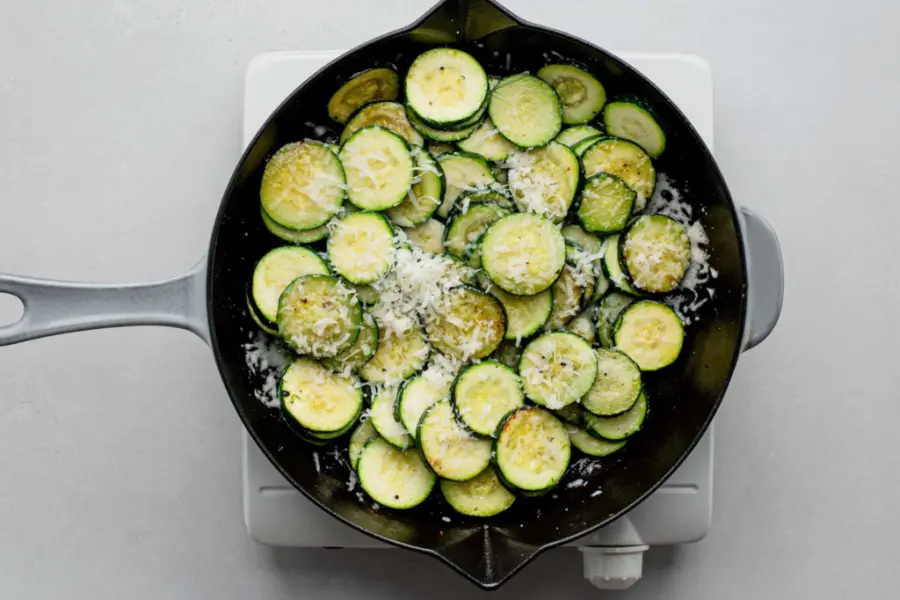
When zucchini is sliced and salted, it releases some of its water content, which can be dabbed away with a paper towel before baking.
When zucchini is salted, it can become slightly dehydrated, which can concentrate its natural flavor. This can result in a more delicious and flavorful zucchini dish.
How To Make Zucchini Roasted?
Zucchini is a versatile vegetable that can be cooked in a variety of ways, including roasting. Roasting zucchini is a simple and delicious way to bring out its natural sweetness and flavor. Here's a step-by-step guide on how to make roasted zucchini:
- Preheat your oven to 425°F (218°C) and line a baking sheet with parchment paper.
- Wash the zucchini thoroughly and cut off the stem ends. Then, cut the zucchini into 1/4 inch slices.
- In a mixing bowl, combine the sliced zucchini with 2-3 tablespoons of olive oil, 1 teaspoon of salt, and any other seasonings of your choice, such as black pepper, garlic powder, or dried herbs.
- Toss the zucchini slices in the seasoning mixture until they are evenly coated.
- Arrange the zucchini slices on the prepared baking sheet in a single layer, making sure they are not too crowded.
- Roast the zucchini in the preheated oven for 20-25 minutes, or until they are tender and golden brown.
- Once the zucchini is roasted to your desired level of doneness, remove the baking sheet from the oven and transfer the roasted zucchini to a serving dish.
- Garnish with fresh herbs, lemon zest, or grated Parmesan cheese, if desired, and serve immediately.
Roasted zucchini can be enjoyed as a side dish, added to salads, or used as a topping for pizza and pasta dishes. It's a simple and healthy way to incorporate more vegetables into your diet, and the roasting process enhances the natural sweetness and flavor of the zucchini.
How to Salt Zucchini Before Baking?
To salt zucchini before baking, start by slicing the zucchini into your desired shape. Then, sprinkle salt on the slices and allow them to sit for about 10–15 minutes.
After 15 minutes, use a paper towel to blot away the moisture and salt. It's important to rinse the zucchini after salting to remove any excess salt.
Nutrition Facts After Baking Zucchini
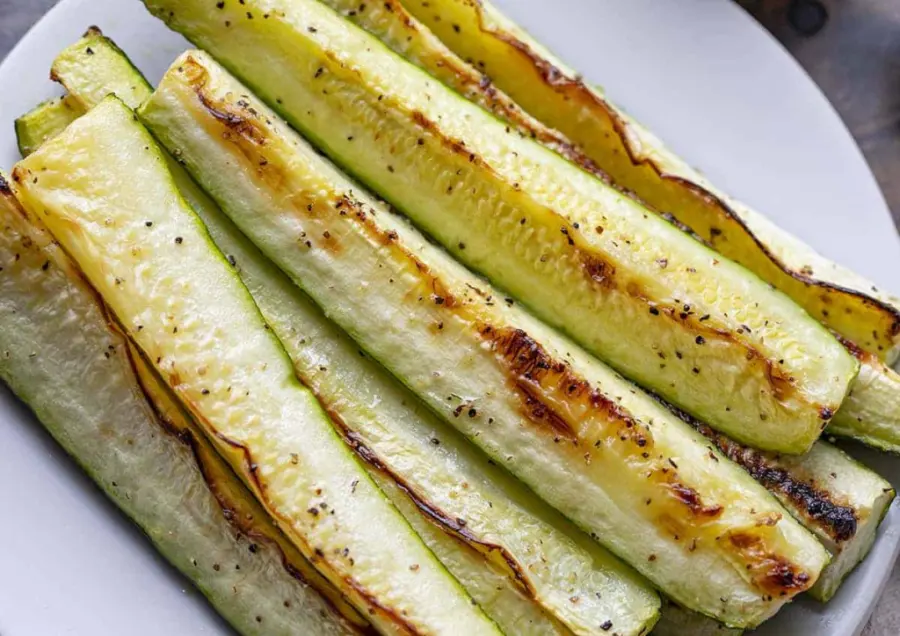
Here are some general nutrition facts for plain baked zucchini:
One cup of sliced baked zucchini (approximately 113 grams) contains;
- Calories: 17
- Protein: 1 gram
- Fat: less than 1 gram
- Carbohydrates: 3 grams
- Fiber: 1 gram
- Sugar: 2 grams
- Sodium: 4 milligrams
- Vitamin C: 14% of the Daily Value (DV)
- Vitamin A: 1% of the DV
- Iron: 1% of the DV
- Calcium: 1% of the DV
Baked zucchini is a low-calorie and nutrient-dense food that can be a healthy addition to your diet. However, the nutritional value may depend on the cooking method and any added ingredients.
Conclusion
Salting zucchini before baking is an optional but beneficial step. By removing excess moisture, the zucchini will have a firmer texture and won't become watery. This can result in a more enjoyable eating experience.
Salting can also help to concentrate the natural flavor of the zucchini, making it taste more delicious. While it's optional, salting zucchini before baking is a simple and easy technique that can greatly enhance the quality of your dish.
Frequently Asked Questions
Do I need to rinse the salt off the zucchini before baking?
Yes, it is a good idea to rinse the salt off the zucchini after salting. This will help to remove any excess salt and prevent the zucchini from becoming too salty.
Can I use other types of salt besides table salt?
Yes, you can use other types of salt, such as sea salt, to salt zucchini before baking. A good rule of thumb is to use about 1/2 teaspoon of salt per pound of zucchini.
What seasoning goes well with zucchini?
Here are some popular seasoning options that go well with zucchini:
- Lemon
- Italian seasoning
- Cheese
- Garlic
- Chilli flakes
- Parsley
- Oregano
Should you salt zucchini before frying?
This one is delicious. Salting and sweating the zucchini before frying pulls most of the extra moisture from the zucchini. That step makes the crust stick much better. These fried zucchini chips are perfectly seasoned and, once fried, have a nice crunchy texture.
How to Properly Salt Zucchini Before Baking
Salting zucchini isn't complicated, but a few small details make the difference between a dish with good texture and one that turns out watery anyway. Start by slicing or shredding the zucchini the way your recipe calls for, then spread the pieces in a single layer on a clean kitchen towel, a colander, or a wire rack set over a baking sheet. Sprinkle both sides evenly with kosher salt or coarse sea salt rather than fine table salt, since coarse salt draws out moisture more gradually and is easier to brush off afterward without over-salting the dish.
Let the salted zucchini sit for at least 20 to 30 minutes for sliced pieces, or closer to 10 minutes for shredded zucchini, which releases water much faster because it has more exposed surface area. You'll see beads of moisture forming on the surface and pooling underneath, that's the salt doing its job.
Rinsing and Drying
Once the zucchini has released its water, don't skip the rinse. Give slices a quick rinse under cool water to remove the excess surface salt, then pat them thoroughly dry with a clean towel or paper towels before baking. For shredded zucchini, skip the rinse and instead gather it in a clean kitchen towel or cheesecloth and squeeze firmly to wring out the remaining liquid, twisting the towel like you're wringing out a wet cloth.
When You Should (and Shouldn't) Salt Zucchini
Salting matters most in recipes where excess moisture has nowhere to go and would otherwise make the finished dish soggy or gummy. Zucchini bread, muffins, fritters, gratins, and zucchini lasagna all benefit from salting first, since these recipes bake the zucchini surrounded by batter, cheese, or other ingredients that trap released water.
- Zucchini bread and muffins: salt shredded zucchini and squeeze out the liquid, or the batter will bake up dense and gummy in the center.
- Fritters and pancakes: salting is essential here, since excess moisture prevents the fritters from crisping in the pan and can cause them to fall apart.
- Gratins and casseroles: salting pre-bakes out water that would otherwise pool at the bottom of the dish and make the topping soggy.
- Roasted or grilled zucchini in thick spears: salting is optional here, since the high, dry heat of roasting or grilling evaporates surface moisture on its own.
Common Mistakes When Salting Zucchini
The most common mistake is skipping the rinse step and baking the zucchini straight after salting, which leaves the dish tasting overly salty since the salt that drew out moisture is still sitting on the surface. Another frequent error is not letting the zucchini sit long enough, especially with thicker slices, so the moisture never fully releases and you end up salting for nothing.
Using too much salt is another issue. You only need enough to lightly coat the surface, not a heavy layer. Too much salt can start to cure the zucchini and change its texture in a way that's hard to reverse, making it slightly rubbery instead of tender.
Finally, don't salt zucchini that you plan to freeze raw. Salting before freezing draws out water and changes the cell structure in a way that leads to a mushier texture once thawed, so it's better to salt fresh zucchini right before you cook it rather than as a prep-ahead step.
Do I need to salt zucchini before baking it into bread?
Yes, if you're using shredded zucchini in a quick bread or muffin recipe, salting and squeezing out the excess water first is one of the most important steps for a good texture. Skipping it is the number one reason zucchini bread turns out dense, gummy, or undercooked in the middle, since the batter simply can't absorb all that extra liquid during baking.
How long can I let zucchini sit after salting?
Thirty minutes to an hour is plenty for most recipes, and letting it sit much longer doesn't draw out significantly more water. If you need to prep zucchini ahead of time, salt it, drain and pat it dry, then refrigerate it in an airtight container for up to a day before using it in your recipe.
Does salting zucchini work the same way for grilling?
Not really necessary. When you grill zucchini in thicker planks or spears, the direct high heat sears the surface quickly and evaporates moisture as it cooks, so salting beforehand doesn't make much difference to the final texture. Salt right before or after grilling instead, since salting too early on thick-cut pieces meant for the grill mostly just seasons the surface rather than drawing out meaningful moisture. Save the full salt-and-drain treatment for recipes where the zucchini bakes low and slow surrounded by other ingredients, since that's where trapped moisture actually becomes a problem.
Common Mistakes When Salting Zucchini
Knowing why to salt zucchini before baking does not help much if the technique itself goes wrong. These are the slip-ups that undo the benefit.
- Skipping the resting time. Five minutes is not enough for the salt to pull out meaningful moisture. Give it the full 10 to 15 minutes, longer for thicker slices or shredded zucchini destined for bread.
- Not patting it dry afterward. Salting only works if you follow through and blot the surface. Leaving the released liquid sitting on the zucchini defeats the purpose and can leave the dish saltier than intended.
- Using too much salt. A light, even sprinkle is enough to draw out water through osmosis. Piling on salt does not speed up the process; it just leaves you with an over-salted dish if you do not rinse it off.
- Salting dishes that do not need it. Grilled or roasted zucchini exposed to high, dry heat loses excess water on its own. Salting first matters most for baked goods, casseroles, and dishes with a long, low-moisture bake where sogginess is the real risk.
Salting Shredded Zucchini for Bread and Muffins
Baked goods are where salting matters most, because shredded zucchini holds far more surface area, and therefore releases far more water, than sliced rounds. Toss the shredded zucchini with about half a teaspoon of salt per cup, let it sit in a colander for 15 to 20 minutes, then squeeze it firmly in a clean kitchen towel or cheesecloth until no more liquid drips out. Skipping this step is the single most common reason zucchini bread turns out dense, gummy, or sunken in the middle; the batter simply cannot absorb the extra moisture the vegetable is still holding.
Frequently Asked Questions
Does salting zucchini remove its bitterness?
Salting draws out water, not the compounds responsible for bitterness. Bitterness in zucchini comes from cucurbitacins, which are far more concentrated in stressed or overly mature fruit. If a zucchini tastes bitter, salting will not fix it. Taste a small raw piece before cooking the rest, and set aside any fruit that tastes noticeably bitter rather than trying to salt or cook the bitterness away.
Can I skip salting if I am short on time?
Yes, especially for high-heat methods like roasting or grilling where moisture evaporates quickly anyway. You will get a slightly softer, less concentrated result, but it is not a food safety issue, just a texture trade-off.
Does salting affect the nutrition facts listed above?
Salting adds sodium beyond what is naturally in the zucchini, though rinsing and patting the slices before cooking removes most of the surface salt. If you are watching sodium intake closely, rinse thoroughly after the resting period rather than skipping the salt step altogether.